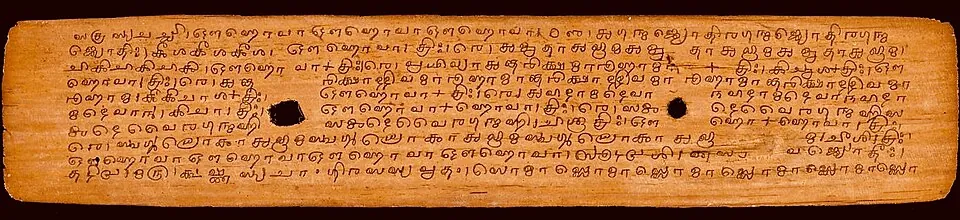
The Āraṇyakas, Forest Texts on Ritual Meaning
Āraṇyaka · आरण्यक
The Āraṇyakas, composed around 700 BCE, form a later layer of the Vedas between the Brāhmaṇas and the Upaniṣads. They examine the meaning of sacrifice, sometimes in symbolic or philosophical terms, and mark a transition from outward ritual toward inward reflection.
The Āraṇyakas are a stratum of Vedic literature usually dated to about 700 BCE. They generally come after the Saṃhitās, which hold hymns, and the Brāhmaṇas, which comment on ritual, and they occupy the later sections of the Vedas. Their concern is the meaning of sacrificial rites, approached from several angles. The Kaṭha Āraṇyaka treats the Pravargya ritual, while the Aitareya Āraṇyaka explains the Mahāvrata first as ritual practice and then in more symbolic, meta-ritual terms. They differ widely in structure and content, and some include philosophical speculation. Later tradition sometimes groups them with the Upaniṣads as jñāna-kāṇḍa, the section of knowledge, as against the karma-kāṇḍa of ritual action, though another scheme counts the Saṃhitās and Brāhmaṇas together as ritual. The boundaries are blurred, since no absolute line separates Āraṇyakas from Brāhmaṇas or from Upaniṣads, and certain Upaniṣads sit inside Āraṇyakas. Together they record the move from external sacrifice to the internalised philosophy that flowered in the Upaniṣads.