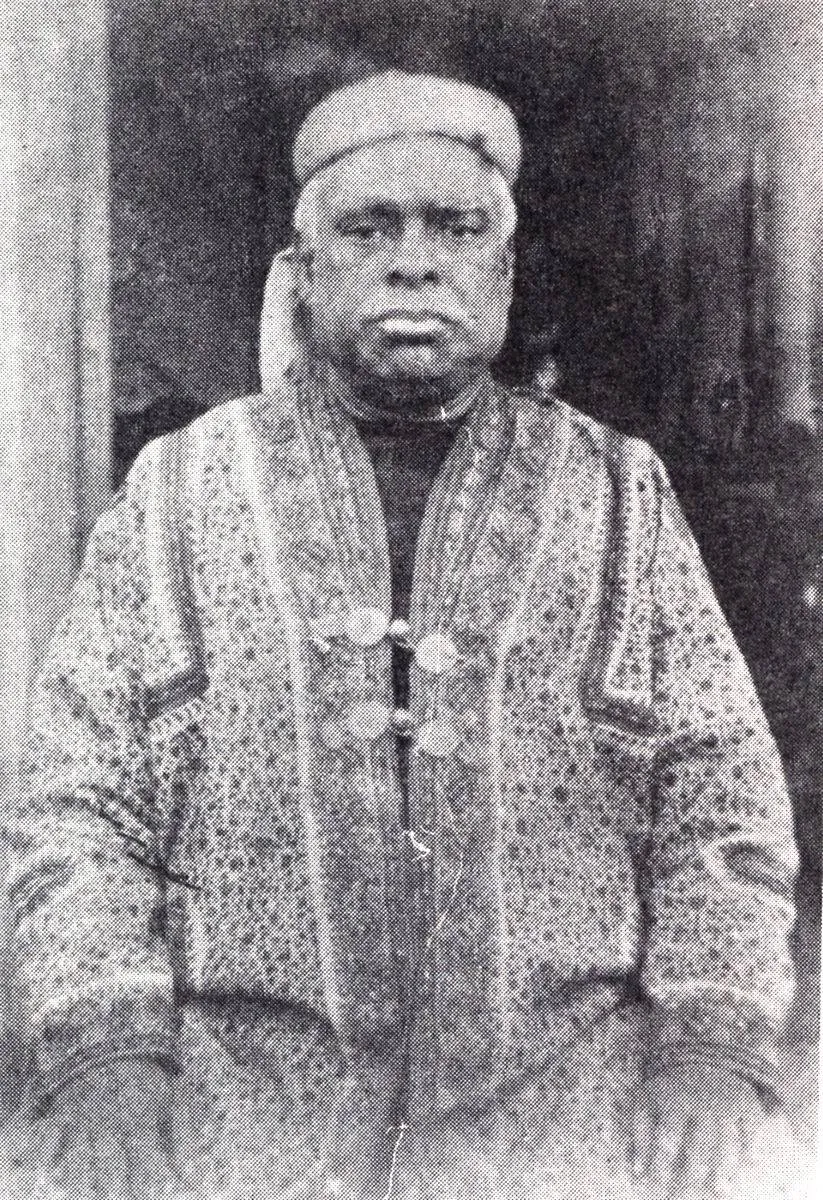
Bhaktivinoda Ṭhākura and the Revival of Gauḍīya Vaiṣṇavism
Bhaktivinoda Ṭhākura · भक्तिविनोद ठाकुर
Bhaktivinoda Ṭhākura, born Kedarnath Datta in 1838, was a Bengali official and thinker who revived Gauḍīya Vaiṣṇavism. From about 1881 he published widely on Caitanya's teachings, joining modern critical method to devotion, and his work paved the way for the movement's spread beyond India.
Kedarnath Datta, born in 1838 and later known as Bhaktivinoda Ṭhākura, worked as a government magistrate in Bengal while pursuing a second career as a religious writer. At twenty-nine he turned seriously to the teachings of Caitanya Mahāprabhu, the sixteenth-century saint of Navadvīpa, and spent the rest of his life studying and practising them. From 1881, when he began the journal Sajjana-toṣaṇī, he produced books, songs and essays in Bengali, Sanskrit and English that restated Gauḍīya Vaiṣṇava thought for an educated modern audience. He tried to reconcile Western reasoning and critical analysis with traditional belief and with devotional mysticism. His efforts to rediscover Caitanya's birthplace at Māyāpur are also associated with his name. His son, Bhaktisiddhānta Sarasvatī, carried the mission forward, and the two are credited with starting the propagation of the tradition to the West. Bhaktivinoda died in 1914. The year given here marks his first major publishing venture, when his reforming programme became public.
Sources
- Bhaktivinoda Thakur Wikipedia · CC-BY-SA-4.0
- Q559104 Wikidata · CC0-1.0