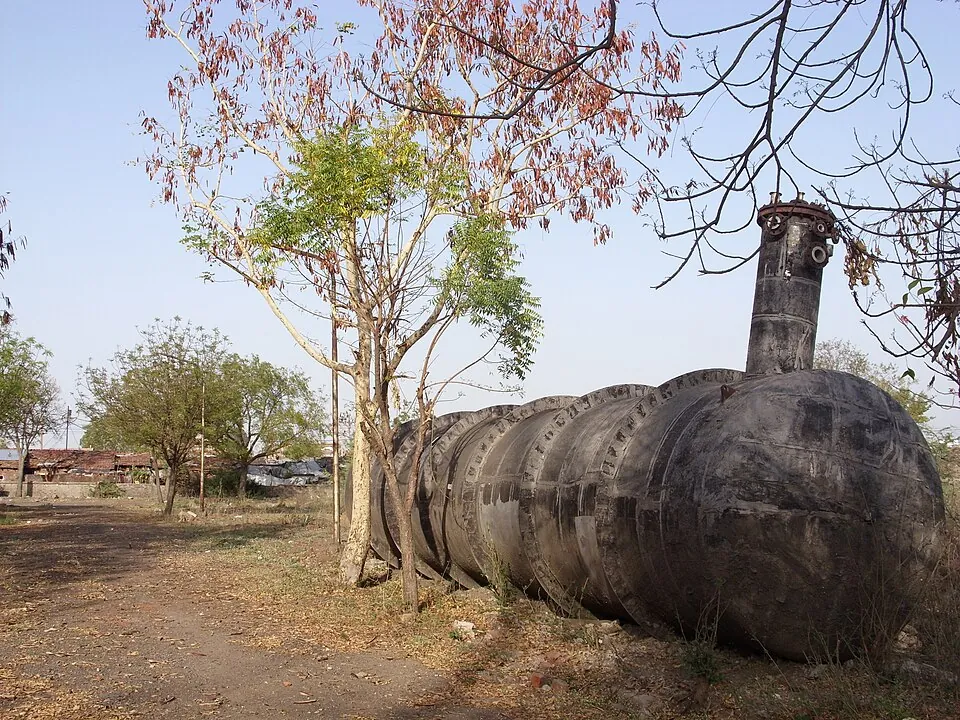
The Bhopal Gas Disaster of 1984
On 3 December 1984, methyl isocyanate gas leaked from the Union Carbide pesticide plant in Bhopal, exposing over half a million people. Counted among the world's worst industrial disasters, it killed thousands, with estimates varying widely, and left lasting illness, litigation and contamination.
Late on the night of 2 to 3 December 1984, highly toxic methyl isocyanate escaped from the pesticide factory of Union Carbide India Limited in Bhopal, Madhya Pradesh. More than half a million people living nearby were exposed. The tragedy is generally regarded as the worst industrial disaster in the world and the largest chemical accident in Indian history. A government affidavit of 2006 counted about 558,000 injuries, among them nearly 3,900 severe and permanent disabilities. The official figure for immediate deaths is 2,259, whereas other estimates of deaths from gas-related disease reach 8,000 or more. Union Carbide India was majority-owned by the American Union Carbide Corporation, which paid 470 million dollars in 1989 to settle the claims. The corporation sold its stake in 1994 to Eveready Industries, which ended clean-up in 1998 and returned the site to the Madhya Pradesh government. Dow Chemical bought Union Carbide in 2001. Decades later, survivors and their children still campaign for medical care, compensation and the cleaning of contaminated land and water.
Sources
- Bhopal disaster Wikipedia · CC-BY-SA-4.0
- Q129029 Wikidata · CC0-1.0