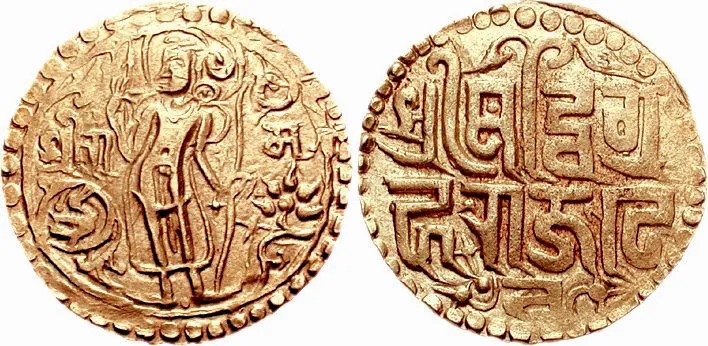
Cāhamānas of Śākambharī Rise in Rajasthan
Cāhamāna · चाहमान
The Cāhamānas, known as Chauhans, ruled parts of Rajasthan from Śākambharī (Sambhar) between roughly the sixth and twelfth centuries. First vassals of the Gurjara-Pratīhāras, they became independent, moved their capital to Ajmer and fought Chaulukyas, Tomaras and finally the Ghurids, whose victory in 1192 ended their power.
The Cāhamāna dynasty, called Chauhans in later usage, took its early name from Śākambharī, modern Sambhar in Rajasthan, and ruled a region known as Sapādalakṣa. For centuries they acknowledged the Gurjara-Pratīhāra emperors. As Pratīhāra power faded in the tenth century, the ruler Siṃharāja claimed independence and adopted an imperial title. In the early twelfth century Ajayarāja II shifted the capital to Ajayameru, now Ajmer, after which the family is also called the Chauhans of Ajmer. Wars with neighbouring houses were frequent, against Gujarat's Chaulukyas, Delhi's Tomaras, Malwa's Paramāras and the Candellas of Bundelkhand, and from the eleventh century they met invasions from Ghaznavid and then Ghurid armies. Their greatest territorial reach came under Vigraharāja IV, who also patronised Sanskrit learning. Prithvirāja III, the best remembered member of the line, lost to the Ghurids in 1192. The start year here marks the dynasty's early centuries; precise beginnings are uncertain.
Sources
- Chahamanas of Shakambhari Wikipedia · CC-BY-SA-4.0
- Q24897370 Wikidata · CC0-1.0