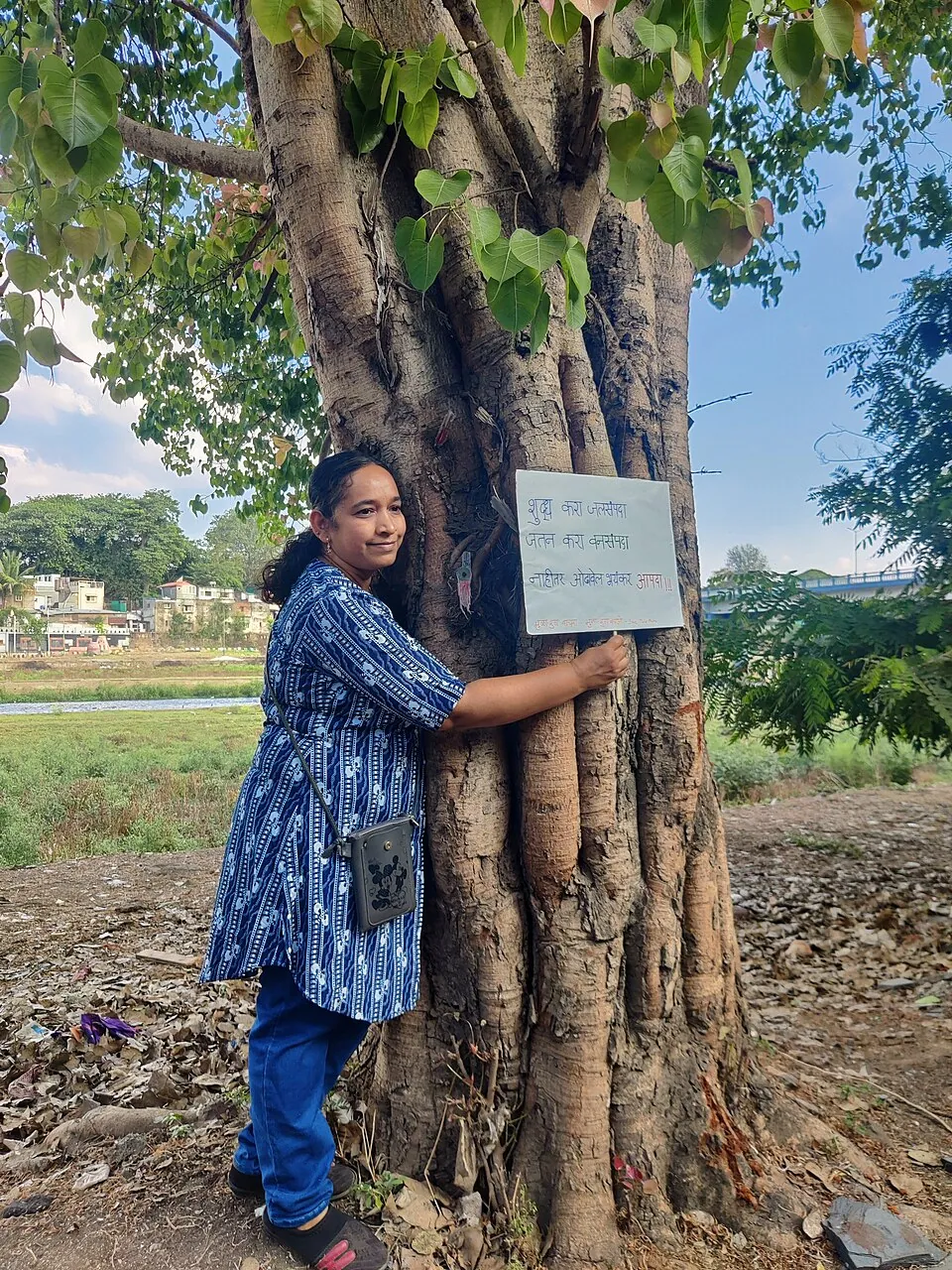
The Chipko Movement Embraces the Trees
Cipko Āndolan · चिपको आन्दोलन
In the 1970s villagers in the Himalayan foothills, many of them women, protected trees from commercial logging by wrapping their arms around trunks. The Chipko movement, meaning 'hugging', became a model of nonviolent conservation and won the Right Livelihood Award in 1987.
Chipko, from the Hindi word for 'hugging', was a forest conservation movement that arose in India's Himalayan region in the 1970s. Protesters opposed commercial logging and government forestry policies by clasping tree trunks so that loggers could not cut them down. Many leaders were men, yet women took on a much larger role, because they bore the brunt of deforestation through shortages of firewood, fodder and drinking and irrigation water. Over the years women also became principal participants in the afforestation work carried out under the movement's banner. The movement has been described as eco-socialist, and scholars increasingly view it as ecofeminist as well. Its approach, rooted in Gandhian nonviolence, influenced later environmental campaigns in India and abroad. In 1987 Chipko was honoured with the Right Livelihood Award for its work in protecting and restoring forests and promoting sustainable use of the country's natural wealth. Its legacy includes a greater public awareness of the link between forests, livelihoods and water, and it is frequently invoked in debates about development and environmental protection in mountain regions.
Sources
- Chipko movement Wikipedia · CC-BY-SA-4.0
- Q1074585 Wikidata · CC0-1.0