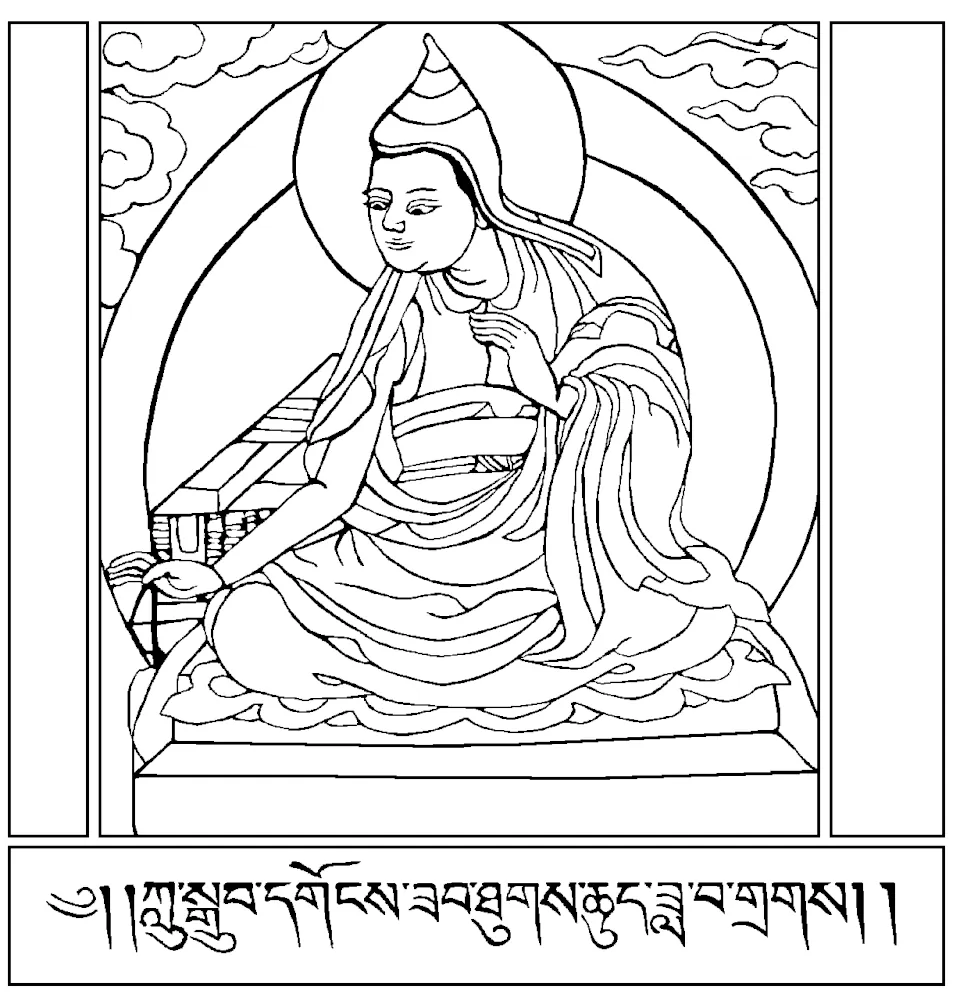
Dharmakīrti and the Theory of Valid Knowledge
Dharmakīrti · धर्मकीर्ति
Dharmakīrti, a Buddhist philosopher at Nālandā in the seventh century, reshaped Indian epistemology. His Pramāṇavārttika, the main work on valid means of knowledge, was debated by Hindu and Jain thinkers and became central in Tibetan monastic study, where it is still taught.
Dharmakīrti, active roughly between 600 and 670 CE, was a Buddhist philosopher based at the monastic university of Nālandā. He is associated with the Yogācāra and Sautrāntika streams of thought and became one of the leading figures in the study of pramāṇa, the means by which one gains reliable knowledge. His largest and most influential book, the Pramāṇavārttika, builds on the work of Dignāga to analyse perception and inference and to argue about the nature of reality and the self. Thinkers of the Mīmāṃsā, Nyāya, Śaiva and Jain traditions responded to his arguments, which shows how widely they circulated within Indian philosophy. In Tibet the text was copied, memorised and commented on for centuries and it remains part of the curriculum in monastic colleges today. The debates he began pushed rival schools, such as the Nyāya, to refine their own positions, so his significance reaches beyond Buddhism alone. Biographical details are sparse and come mostly from later accounts, and the dates given are scholarly approximations, not firm records.
Sources
- Dharmakirti Wikipedia · CC-BY-SA-4.0
- Q457990 Wikidata · CC0-1.0