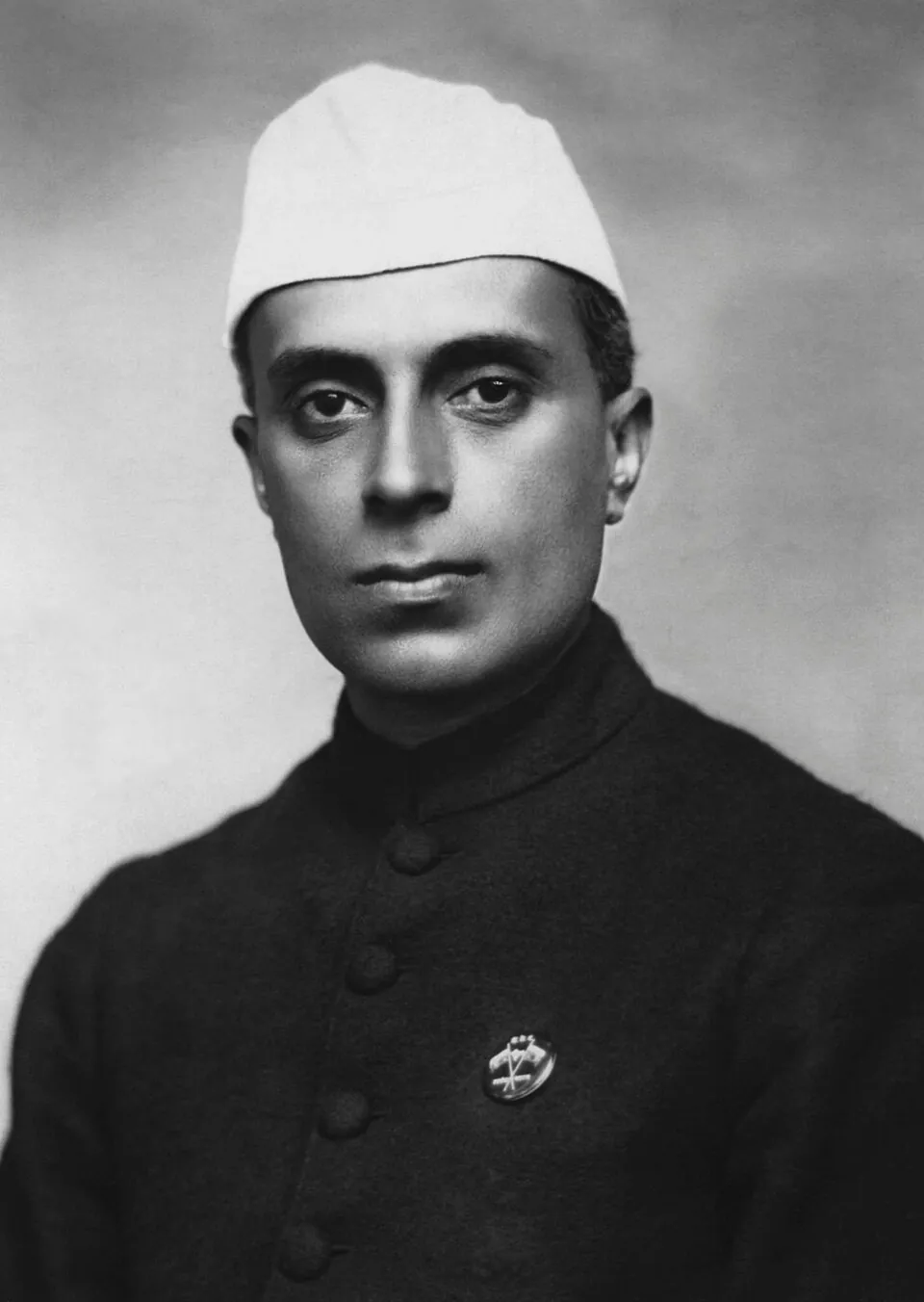
Nehru Presides Over the Lahore Congress of 1929
Jawāharlāl Nehrū · जवाहरलाल नेहरू
At the Lahore session of December 1929, Jawaharlal Nehru presided over the Indian National Congress, which declared complete independence as its goal. The year marks his rise as a leading nationalist, before he became India's first prime minister in 1947.
Jawaharlal Nehru, born in 1889, trained as a lawyer in Britain and entered the nationalist movement in the 1910s, where he became close to Mahatma Gandhi. In December 1929 he was elected president of the Indian National Congress at its Lahore session, at a time when younger leaders were pressing for a more radical aim. The session adopted the goal of purna swaraj, complete independence, and on 26 January 1930 the flag was hoisted and a pledge of independence was taken, a date later chosen for Republic Day. Nehru stood for secularism, social democracy and planned economic development, and during the 1930s and 1940s he was a central figure in the movement, serving long terms in prison. After independence in 1947 he served as prime minister for sixteen years and nearly ten months, until his death in 1964. During that time he promoted parliamentary democracy, scientific institutions and a policy of non-alignment in foreign affairs. Assessments of his record differ, with debate about his economic policies and his handling of foreign and border questions, but his role in shaping the new republic is widely accepted.
Sources
- Jawaharlal Nehru Wikipedia · CC-BY-SA-4.0
- Q1047 Wikidata · CC0-1.0