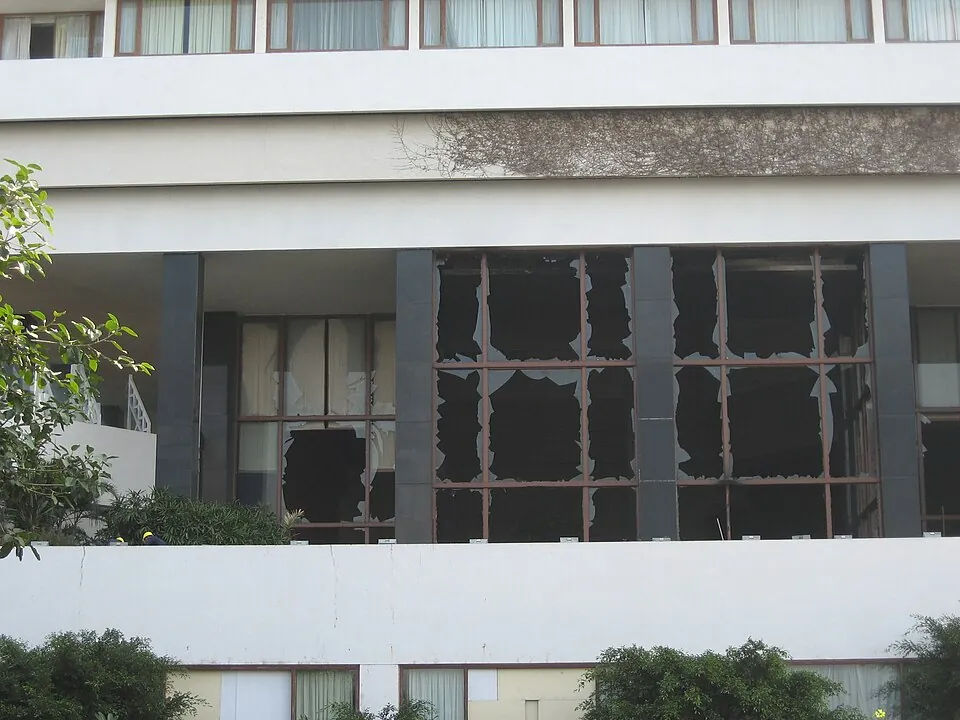
Mumbai Attacks of November 2008
From 26 to 29 November 2008, ten gunmen from Lashkar-e-Taiba carried out coordinated attacks across South Mumbai, including the Taj Mahal Palace Hotel and the main railway terminus. A total of 175 people died, including nine attackers, and over 300 were wounded.
The 2008 Mumbai attacks, widely known as 26/11, were a series of coordinated assaults carried out over three days by ten members of the Pakistan-based militant group Lashkar-e-Taiba. The attackers reached the city by sea, having left Karachi on a cargo ship and then hijacked an Indian fishing boat before landing on the South Mumbai coast in inflatable craft. They struck at several sites, among them Chhatrapati Shivaji Terminus railway station, the Taj Mahal Palace and Trident hotels, Leopold Cafe, Cama Hospital and the Nariman House Jewish centre. The death toll reached 175, of whom 166 were civilians and nine were attackers, and over 300 people were wounded. Security forces ended the siege after nearly three days, and one attacker, Ajmal Kasab, was captured alive, later tried and executed in 2012. The attacks caused deep strain in relations between India and Pakistan and led to reforms in India's coastal security and counter-terror agencies. They also remain a defining memory of urban violence in the country, remembered each year in Mumbai.
Sources
- 2008 Mumbai attacks Wikipedia · CC-BY-SA-4.0
- Q76421 Wikidata · CC0-1.0