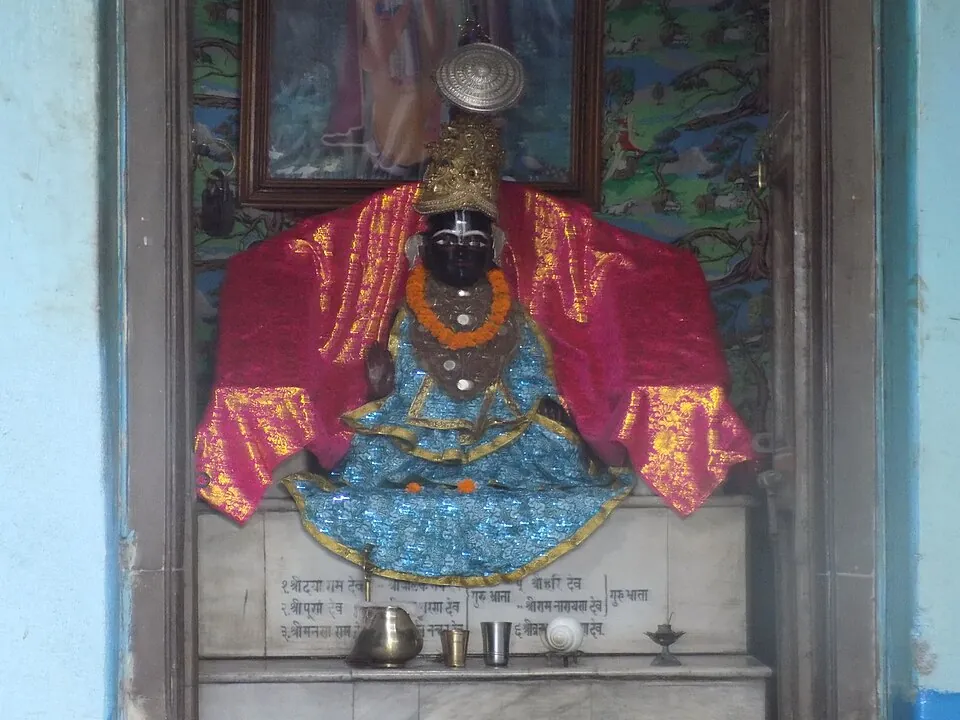
Nimbārka and the Dvaitādvaita Philosophy
Nimbārka · निम्बार्क
Nimbārka, a Bhāgavata theologian born in a southern Telugu Brahmin family, taught Dvaitādvaita, a view of dualistic non-dualism, and is held to be the founder of the Nimbārka Sampradāya school. He lived mostly at Mathurā. His dates are disputed: many place him in the twelfth century, others as early as the sixth or seventh.
Nimbārka, also called Nimbārkācārya, Nimbāditya or Niyamānanda, was a Bhāgavata philosopher and theologian. He is the chief voice of Dvaitādvaita, a doctrine of dualistic non-dualism that is sometimes termed Svābhāvika Bhedābheda, which holds that the soul and the divine are both distinct and identical. He is linked with the theological elevation of Vāsudeva Kṛṣṇa, and tradition names him founder of the school called Nimbārka Sampradāya. According to tradition he was born in southern India into a Telugu Brahmin family, and he passed most of his life in Mathurā in Uttar Pradesh. His dating is genuinely contested. Many historians place him in the twelfth or thirteenth century, whereas others, challenging that view, suggest he lived before Śaṅkarācārya, in the sixth or seventh century CE. The date shown here follows the commoner twelfth-century estimate but carries wide uncertainty. He has sometimes been identified with another thinker named Bhāskara, but this is now thought a mistake, because the spiritual outlook of the two teachers differs.