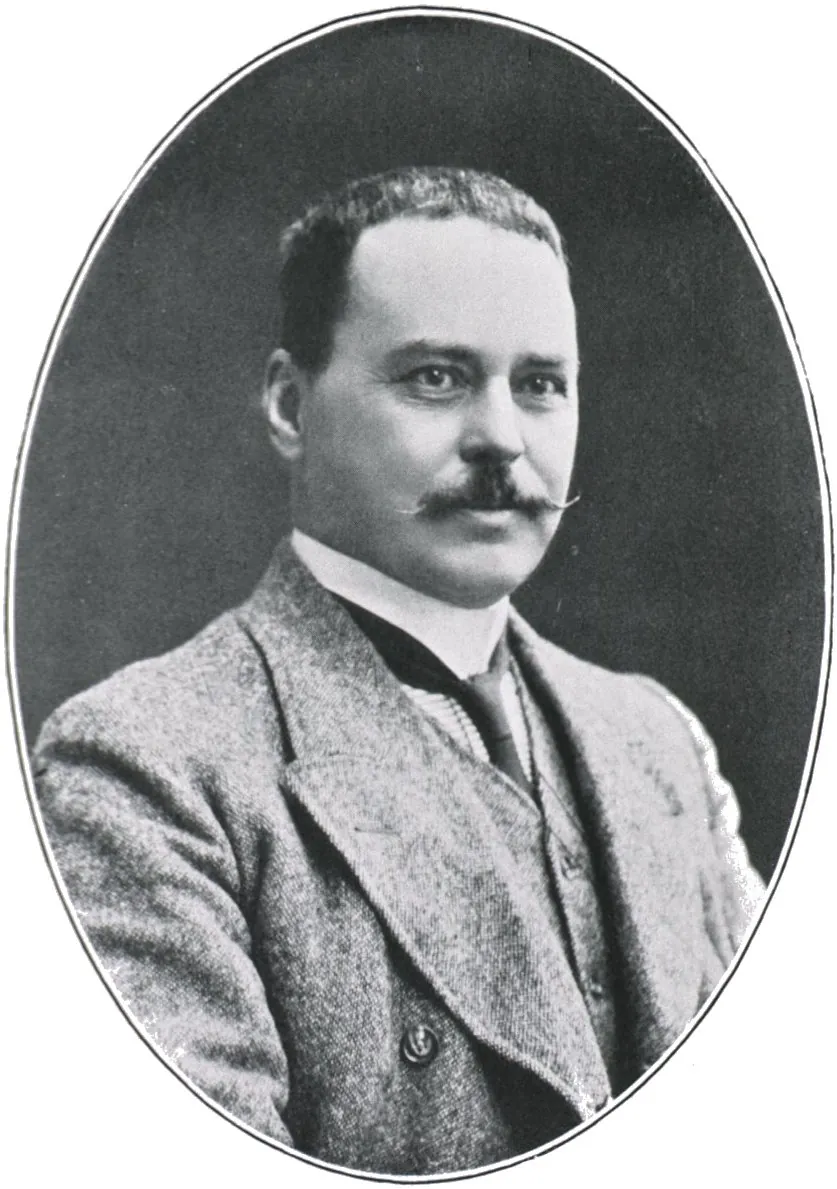
Ronald Ross Shows Mosquitoes Carry Malaria
In 1897 Ronald Ross, a British doctor in the Indian Medical Service, found the malarial parasite in the gut of a mosquito, proving that mosquitoes transmit malaria. The discovery earned him the 1902 Nobel Prize in Physiology or Medicine and laid the foundation for methods of combating the disease.
Sir Ronald Ross, born in 1857 and died in 1932, was a British medical doctor who spent twenty-five years in the Indian Medical Service. During that time, in 1897, he located the malaria parasite inside the gut of a mosquito. The finding established that malaria is transmitted by mosquitoes and gave a basis for controlling the disease. For this work he was awarded the Nobel Prize in Physiology or Medicine for 1902, the citation noting that he had shown how the parasite enters the body and so laid the groundwork for successful research and for ways of fighting the illness. Ross was also a polymath. He wrote poems, published several novels and composed songs, and he was an amateur artist and mathematician. After leaving service in India, he joined the Liverpool School of Tropical Medicine, where he later became Professor and Chairman of Tropical Medicine. His discovery is among the most celebrated achievements in the history of medicine in colonial India and is part of the wider story of tropical disease research.
Sources
- Ronald Ross Wikipedia · CC-BY-SA-4.0
- Q102034 Wikidata · CC0-1.0