Somadeva Retells Stories in the Kathāsaritsāgara
Kathāsaritsāgara · कथासरित्सागर
In the eleventh century the Kashmiri Śaiva poet Somadeva composed the Kathāsaritsāgara, 'Ocean of Story Rivers', a Sanskrit anthology of tales nested within tales. It draws on Guṇāḍhya's lost Bṛhatkathā and is a key source for the study of Indian narrative literature and folklore.
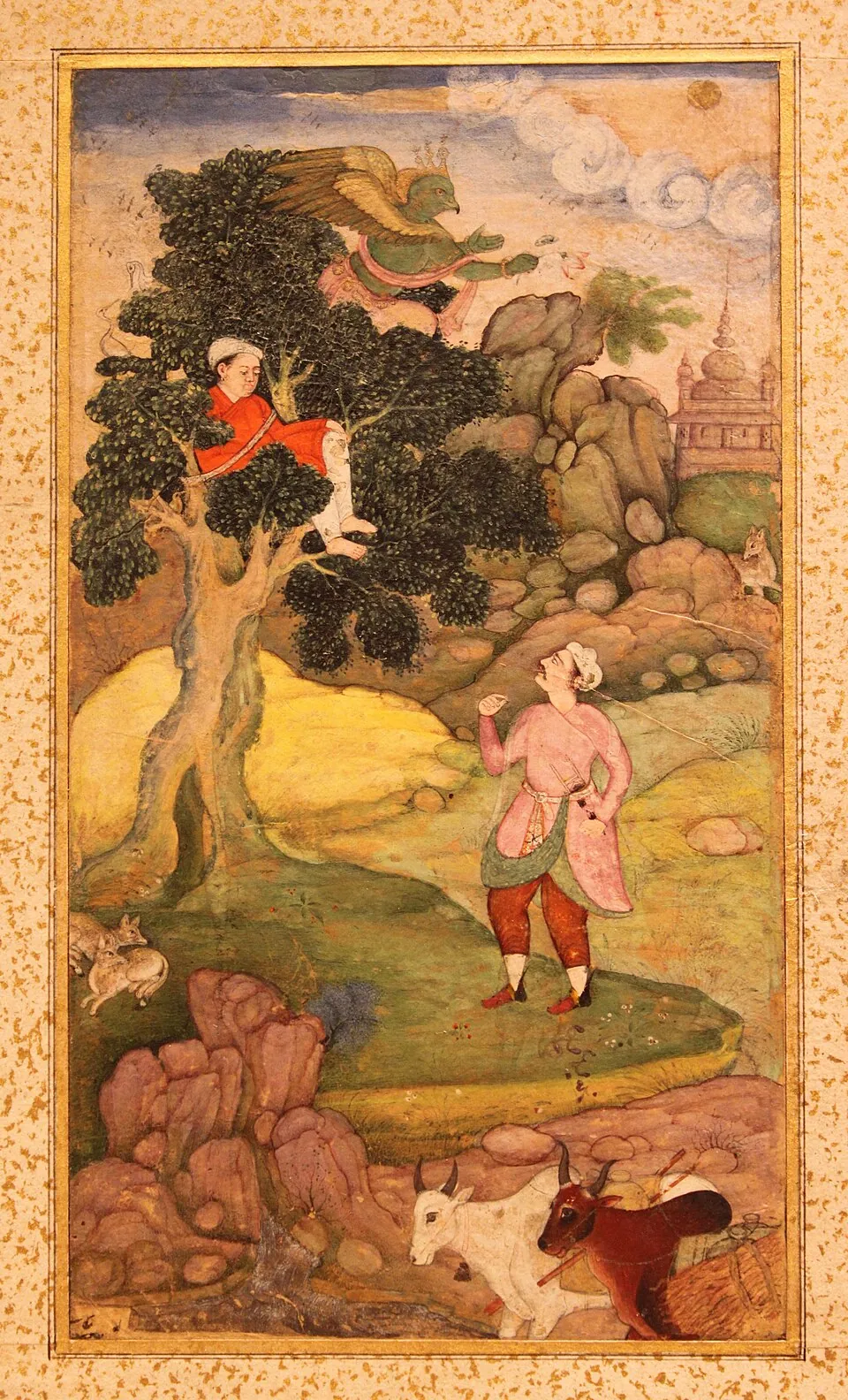
The Kathāsaritsāgara, or 'Ocean of the Rivers of Tales', is a famous eleventh-century collection of legends and folk tales retold in Sanskrit by Somadeva, a Śaiva from Kashmir. Its structure is a story within a story, with narratives opening inside other narratives. Tradition says it descends from the Bṛhatkathā, the 'Great Narrative' of Guṇāḍhya, written in Paiśācī, a language that is little understood today. That original has not survived. Several later adaptations do survive, among them Kṣemendra's Bṛhatkathāmañjarī, Somadeva's own work and the Bṛhatkathāślokasaṃgraha, but scholars caution that none of them need descend directly from Guṇāḍhya, since there may have been intermediate versions. Some critics compare Guṇāḍhya with Vyāsa and Vālmīki in stature even though his work was not in Sanskrit. Somadeva's collection preserves adventures, fables and romances, and it later influenced story traditions beyond the subcontinent, offering readers a vivid view of imaginative life in medieval Kashmir. The date reflects its composition at about the time of the reign of King Ananta of Kashmir, in the late eleventh century.
Sources
- Kathasaritsagara Wikipedia · CC-BY-SA-4.0
- Q1195043 Wikidata · CC0-1.0