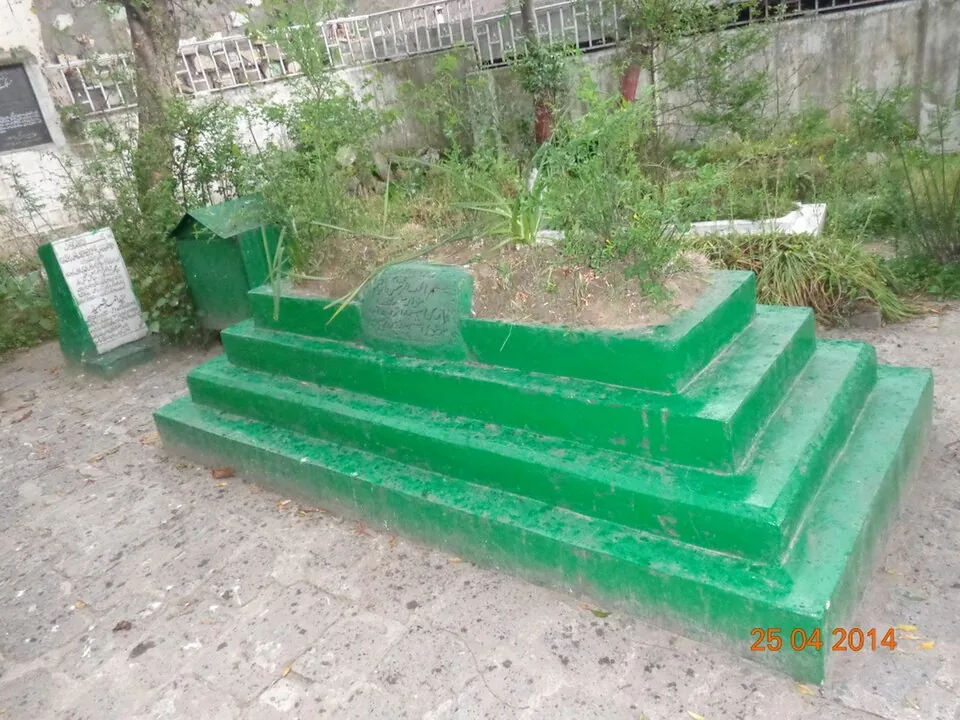
Syed Aḥmad Barelvi Dies at Balakot
In 1831 the reformer Syed Aḥmad Barelvi was killed at Balakot in the Himalayan foothills, fighting the Sikh Empire. His Tarīqa-i Muḥammadiyya movement, loosely called Wahhabi by colonial writers, shaped later Deobandi and Ahl-i Ḥadīth currents and long anti-colonial resistance.
Syed Aḥmad Barelvi, born in Rae Bareli in 1786, was a Sunni scholar and Naqshbandī Sufi teacher who built a reform movement known as the Tarīqa-i Muḥammadiyya. It urged believers to abandon customs thought to lack scriptural basis and to restore what its leaders saw as early Islamic practice. Around 1826 he led followers towards the north-west frontier to wage a jihad against the Sikh Empire of Ranjit Singh, hoping to found a just Muslim polity. After early successes, including the capture of Peshawar for a time, the effort faltered, and Syed Aḥmad was killed at Balakot in May 1831. Colonial officials later labelled his followers Wahhabis, a term borrowed from Arabia and often applied loosely, although the Indian movement had its own roots. Remnants of the community kept a base at Sitana and took part in later uprisings against British rule. Many Muslims regard Syed Aḥmad as a renewer of his century, and both the Deobandi and Ahl-i Ḥadīth schools honour him as an important forerunner. Assessments of his legacy remain contested.
Sources
- Syed Ahmad Barelvi Wikipedia · CC-BY-SA-4.0
- Q4165463 Wikidata · CC0-1.0