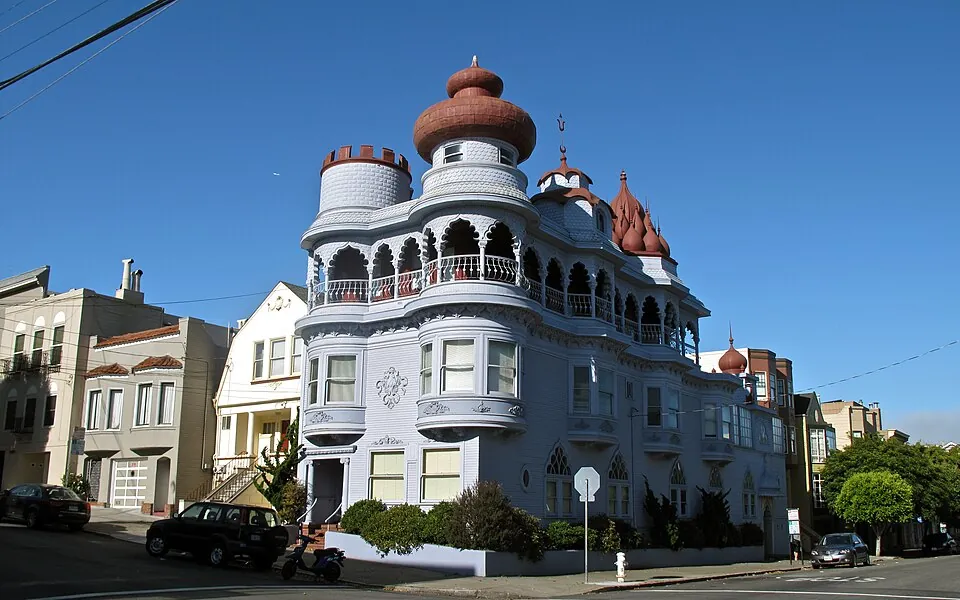
Vivekananda Founds the First Vedanta Society in New York
Vedānta Sosāiṭī · वेदान्त सोसाइटी
In November 1894 Swami Vivekananda founded the first Vedanta Society outside India, in New York. Such societies, now the Western branches of the Ramakrishna Mission, study and teach Advaita Vedanta. In 1900 he set up a San Francisco centre, and by mid-century the societies drew prominent writers and thinkers.
Vedanta Societies are organisations devoted to the study, practice and spread of Vedanta, particularly Advaita Vedanta. They are found mostly outside India, where they act as Western branches of the Ramakrishna Mission and follow the spiritual guidance of the Ramakrishna Order. The Indian Hindu monk Swami Vivekananda founded the first of them outside India in New York in November 1894. During his second journey to the West in 1900 he set up the San Francisco centre. Carl Jackson writes that these societies were the first to bring Vedanta teachings to America. Many Western societies have resident monks, and several centres have resident nuns. Their work has chiefly been spiritual and pastoral, although many also carry out some social service. In the middle of the twentieth century they became intellectual centres in the United States, drawing in Aldous Huxley, the writers Gerald Heard and Christopher Isherwood, the scholar Huston Smith, the novelist J. D. Salinger and the mythologist Joseph Campbell. The New York foundation therefore marks the start of a lasting institutional presence for Vedanta in North America.
Sources
- Vedanta Society Wikipedia · CC-BY-SA-4.0
- Q4330282 Wikidata · CC0-1.0