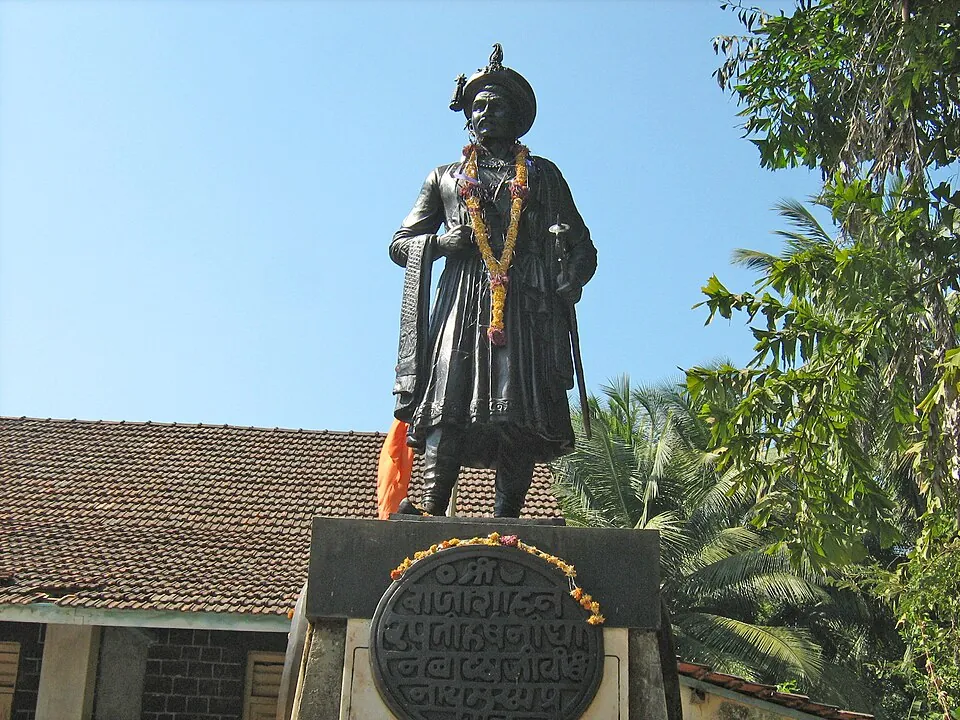
Bālājī Viśvanāth Becomes Peshwa and Steadies the Maratha State
Bālājī Viśvanāth · बालाजी विश्वनाथ
Bālājī Viśvanāth Bhaṭ, who lived from 1662 to 1720, was the first of the hereditary Peshwas of the Bhaṭ family. He helped King Shahu secure a kingdom torn by civil war and Mughal pressure, and set the stage for Maratha dominance in the eighteenth century.
Bālājī Viśvanāth Bhaṭ, born on 1 January 1662 and dead on 12 April 1720, was the first in a line of hereditary Peshwas drawn from the Bhaṭ family. In the early eighteenth century these ministers came to hold effective power over the Maratha Confederacy and over a number of Mughal vassals. Bālājī stood by the young Maratha king Shahu at a difficult time. The kingdom had been wracked by civil war and was repeatedly invaded by the Mughals under Aurangzeb, and it needed a capable administrator to restore order and win over rival Maratha leaders. As minister he gradually strengthened the king's position, and his work laid the foundation on which his son Bājī Rāo I would later build an expanding empire. Under their successors the Peshwa, rather than the king, became the real centre of Maratha government from Pune. The date used here, 1713, is the year usually given for his appointment as Peshwa, and the range runs to his death in 1720. His career marks a turning point in the transfer of authority from the Chhatrapati to the Peshwas.
Sources
- Balaji Vishwanath Wikipedia · CC-BY-SA-4.0
- Q4849857 Wikidata · CC0-1.0