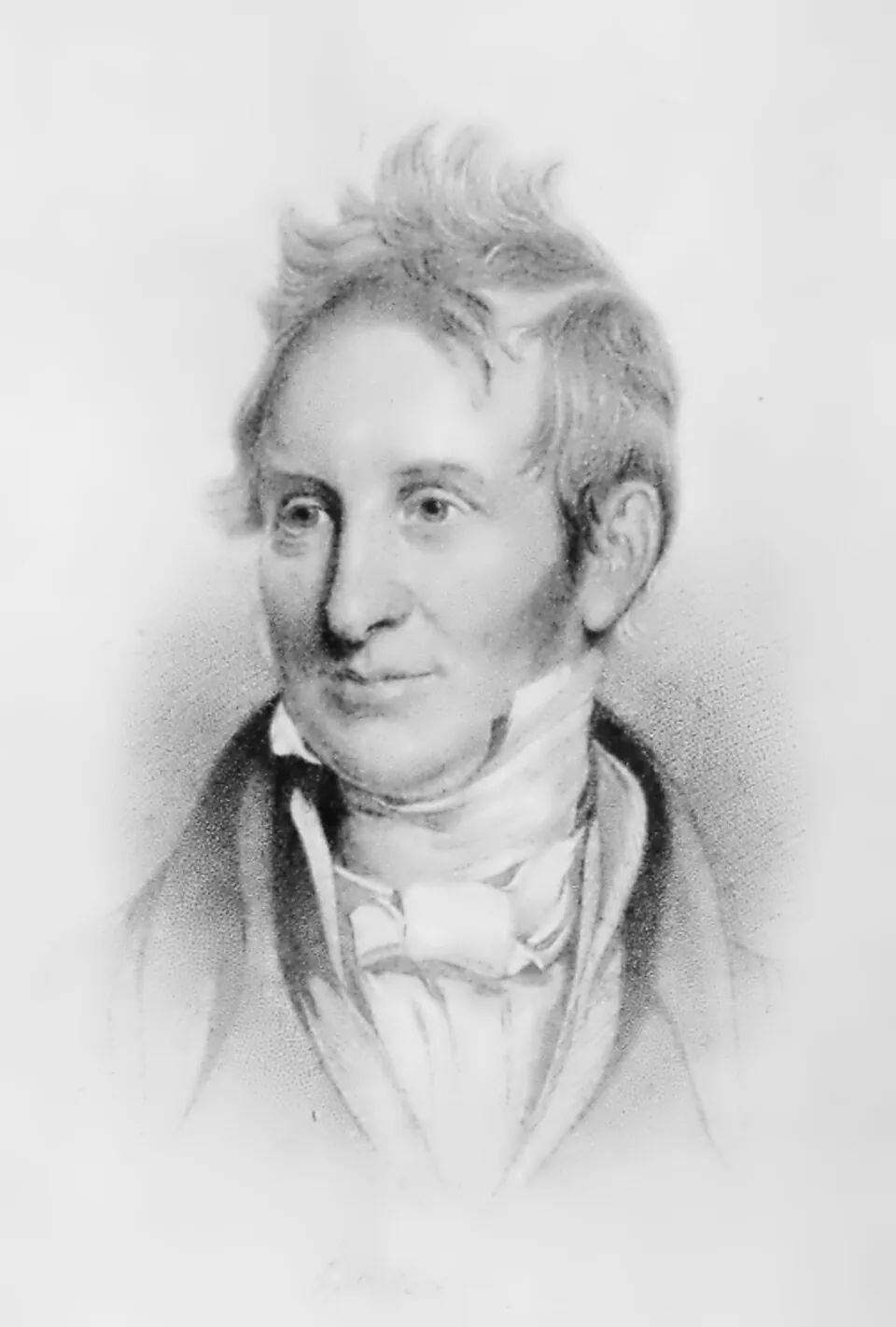
Mountstuart Elphinstone Takes Charge of the Deccan
After the fall of the Peshwa in 1818, Mountstuart Elphinstone became commissioner of the Deccan and, in 1819, Governor of Bombay. A Scottish administrator and historian, he is credited with founding several educational institutions open to Indians and wrote major books on India and Afghanistan.
Mountstuart Elphinstone, born in 1779, entered the East India Company's service and served as a diplomat and administrator in western and northern India. After the Third Anglo-Maratha War ended Peshwa rule in 1818, he was given charge of the newly annexed Maratha territories as commissioner, and in 1819 he was appointed Governor of Bombay, a post he held until 1827. In that office he oversaw the framing of a legal code for the presidency, adjusted land revenue arrangements and promoted education. He is credited with opening several educational institutions that were accessible to the Indian population, and Elphinstone College in Bombay was later named in his honour. He also wrote a well-known account of the Kingdom of Caubul after an early mission to Afghanistan, and a History of India published in 1841. Modern scholars treat his books as characteristic examples of colonial historical writing, valuable for their detail but shaped by the assumptions of the time, including a periodised view of Hindu, Muslim and British history. He died in 1859 after a long retirement in England.
Sources
- Mountstuart Elphinstone Wikipedia · CC-BY-SA-4.0
- Q910933 Wikidata · CC0-1.0