Dalhousie's Post Office Act Creates a Unified Indian Post
Bhāratīya Ḍāk Sevā · भारतीय डाक सेवा
In 1854 Governor-General Lord Dalhousie reorganised India's mail into a Crown service, introducing uniform postage rates and the India Post Office Act. Its roots lay in the Company Mail begun in 1766, and today India Post has more post offices than any other country.
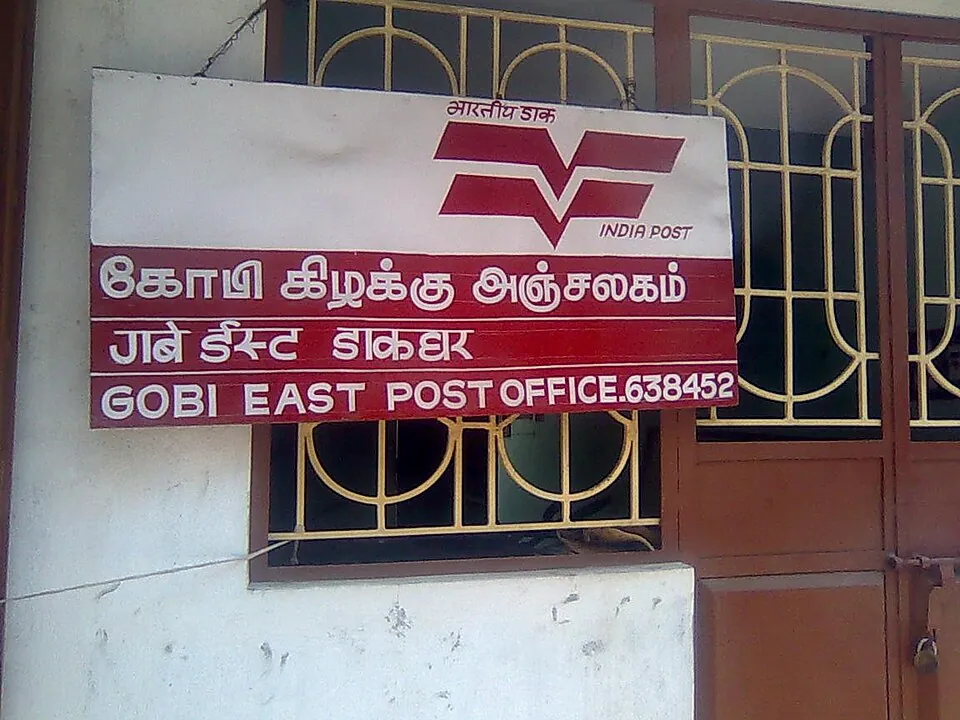
The history of India's postal system begins in 1766, when Warren Hastings, acting for the East India Company, set up a service called the Company Mail. An 1837 law had introduced regular post offices. The decisive change came in 1854, when Lord Dalhousie turned the system into a service under the Crown. He brought in uniform postage rates, so that a letter cost the same regardless of distance, and he saw the India Post Office Act through. The law created a single national head, the Director General of Post, giving the network a single structure. The department grew steadily, and today the Department of Posts, trading as India Post, sits under the Ministry of Communications and is headquartered in New Delhi. It has about 165,000 post offices, most of them in rural areas, which is the largest count of any country and gives India the postal network with the widest reach anywhere. Beyond mail it handles money orders, small savings deposits and postal life insurance, and it distributes pensions and wages for government schemes. It also looks after a heritage of historic postal buildings, forty-four of which have been declared heritage structures.
Sources
- India Post Wikipedia · CC-BY-SA-4.0
- Q3519720 Wikidata · CC0-1.0