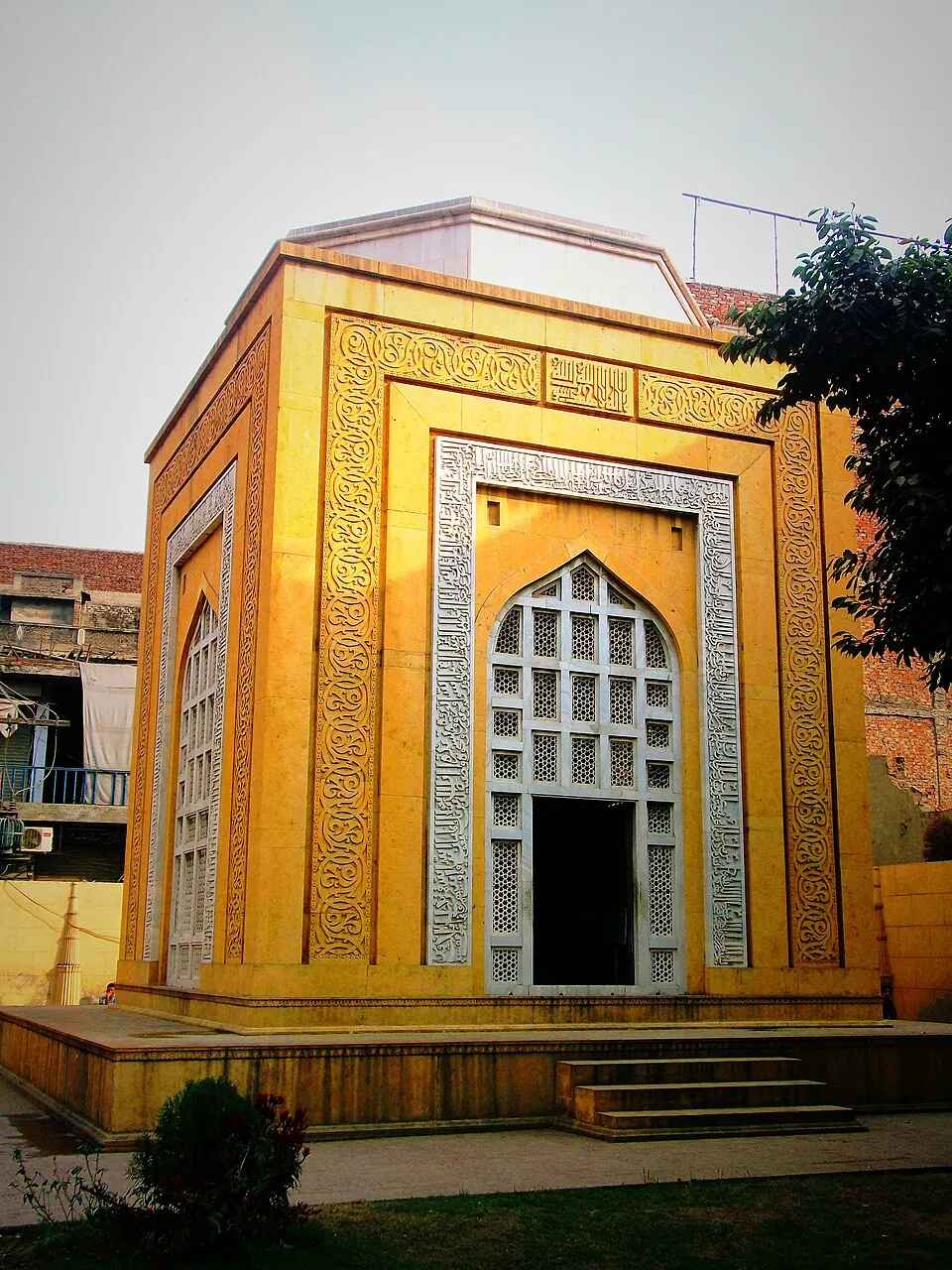
Qutb ud-Dīn Aibak Founds Independent Rule at Delhi
Quṭb ud-Dīn Aibak · قطبالدین ایبک
After the assassination of the Ghurid ruler Muḥammad of Ghor in 1206, his Turkic general Qutb ud-Dīn Aibak took charge in Lahore and Delhi. His independent rule is regarded as the beginning of the Delhi Sultanate. His rule rested on Ghurid conquests in northern India.
Qutb ud-Dīn Aibak was born in Turkestan and sold into slavery as a child. A judge at Nīshāpūr bought him and trained him in archery and riding, and he was later resold to Muḥammad of Ghor at Ghazni, where he rose to be master of the royal stables. Once the Ghurids won the second clash at Tarain in 1192, Muḥammad placed him in command of the Indian territories. Aibak extended Ghurid control across the north and became a trusted viceroy. When Muḥammad of Ghor was killed in 1206, Aibak declared his own authority from Lahore and Delhi. Historians treat that moment as the foundation of the Delhi Sultanate, which was to endure for more than three centuries under successive dynasties. He is also associated with the beginnings of the Quwwat-ul-Islām mosque and the Qutb Minar in Delhi, monuments that blend Indian and Islamic building traditions. Aibak died in 1210 after a fall while playing polo at Lahore, and the throne passed to Iltutmish after a brief interval. His career shows how military slaves could rise to high office in the Persianate world.
Sources
- Qutb ud-Din Aibak Wikipedia · CC-BY-SA-4.0
- Q311151 Wikidata · CC0-1.0