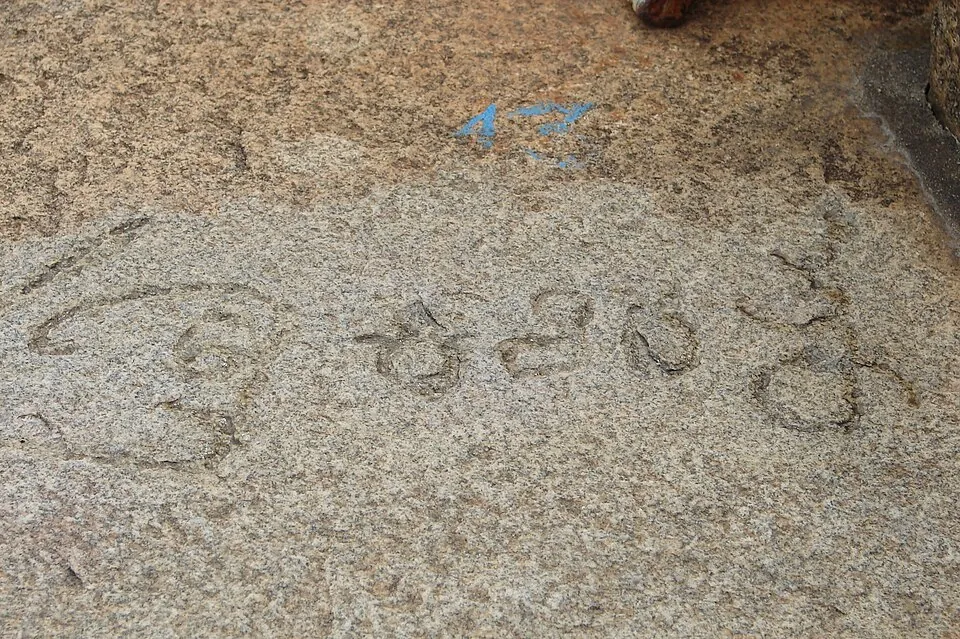
Ranna, Gem of Classical Kannada Poetry
Ranna · ರನ್ನ
Ranna, who lived from about 949 to 1020, is one of the 'three gems' of early Kannada literature with Pampa and Ponna. A poet of the Western Chalukya court under Tailapa II and Satyāśraya, he is known for the martial epic Sāhasabhīma-vijaya and the Jain Ajitapurāṇa.
Ranna, who lived from about 949 to 1020, belongs with Ādikavi Pampa and Ponna to the trio called the Ratnatraya, the three gems of classical Kannada literature. He flourished at the court of the Western Chalukya king Tailapa II and of his successor Satyāśraya in what is now Karnataka. Admirers prize his rich style, his taste for martial themes and the deep influence of Jainism in his thinking. Two major works have survived. The Sāhasabhīma-vijaya, also known as the Gadāyuddha, retells the closing battle of the Mahābhārata, with the mace duel between Bhīma and Duryodhana at its centre, and it also contains a flattering comparison between his royal patron and the epic's hero. The Ajitapurāṇa, in contrast, recounts the life of Ajitanātha, the second Jain tīrthaṅkara, and shows the author in a devotional and reflective mood. Ranna received the title Kavicakravartī, emperor among poets, and he was supported by a noble Jain woman, Attimabbe, whose generosity to scholars is also celebrated. His work reflects the confident court culture of the Deccan around the year 1000 and the high place of Kannada among the literary languages of India.
Sources
- Ranna (Kannada poet) Wikipedia · CC-BY-SA-4.0
- Q7293381 Wikidata · CC0-1.0