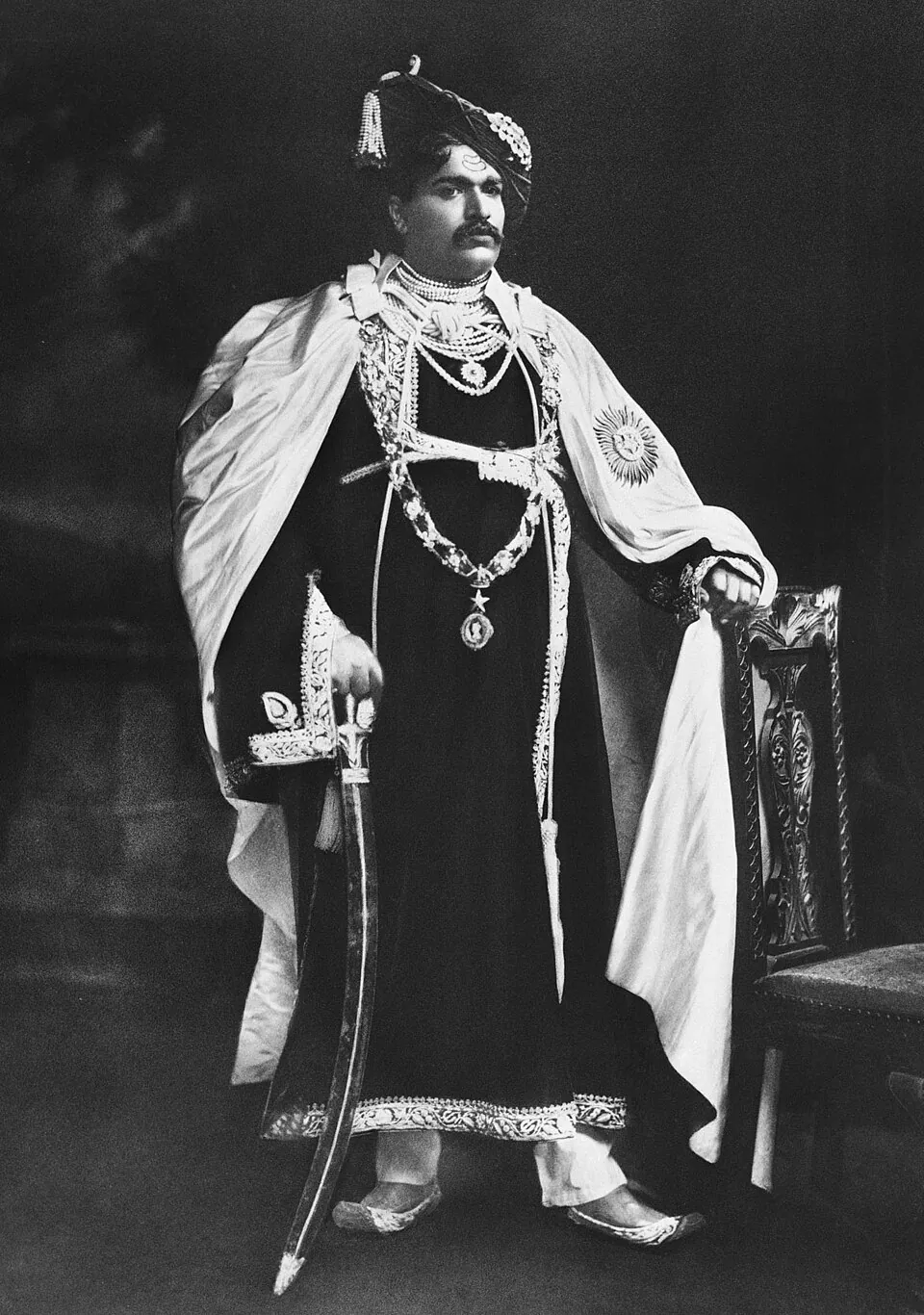
Shahu Maharaj Orders Reservation in Kolhapur
Śāhū Mahārāja · शाहू महाराज
On 26 July 1902 Shahu Maharaj, ruler of Kolhapur, issued an order reserving half of government posts and educational places for backward communities. It is one of the earliest affirmative action measures in India and reflects his wider work on schools, hostels and free primary education.
Shahu Maharaj, born Yeshwantrao Ghatge in 1874, was adopted into the Kolhapur royal house in 1884 and took the throne in 1894. During his reign, which lasted until 1922, he pursued social and educational reform aimed at communities that had been excluded from learning and office. His best-known step is the order of 26 July 1902, which set aside fifty per cent of posts in government service and of places in education for backward classes, a measure historians regard as among the earliest affirmative action policies in the country. Alongside it he established many schools and hostels for students from different caste and religious communities, and in 1917 he made primary education free and compulsory in his state. He had been educated at Rajkumar College in Rajkot and trained in administration by Sir Stuart Fraser. Because Kolhapur was a princely state under British paramountcy, his reforms were enacted within its own administration rather than across British India. He is also known by the titles Chhatrapati and Rājarṣi, and his example influenced later debates on caste, representation and public education in Maharashtra and beyond.
Sources
- Shahu of Kolhapur Wikipedia · CC-BY-SA-4.0
- Q7461433 Wikidata · CC0-1.0