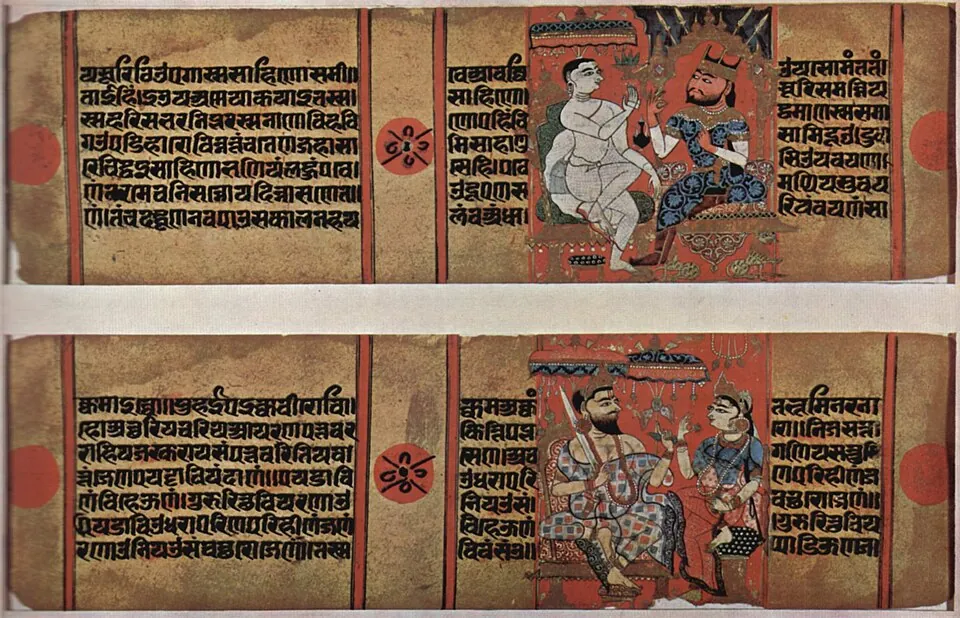
The Śālivāhana Era Begins in 78 CE
Śālivāhana Śaka · शालिवाहन शक
The Śālivāhana or Śaka era counts years from 78 CE and is used in many parts of the Deccan and South India, as well as in India's national civil calendar. It is distinct from the Vikrama Saṃvat, which starts in 57 BCE.
The Śālivāhana era, usually called the Śaka era, is a system of counting years whose first year corresponds to 78 CE. Tradition links its name to the king Śālivāhana, while historians connect the reckoning with the Śaka-Kṣatrapa and Kuṣāṇa world of that period, and its true origin is debated. It has been used for centuries in inscriptions and almanacs, particularly in Maharashtra, Karnataka, Andhra and the Tamil country, and in Southeast Asia, where Java and Bali adopted it. It should not be confused with the Vikrama Saṃvat, the other widely known Hindu calendar era, whose epoch falls in 57 BCE and which is popular in northern India and Nepal. The Śaka era is a lunisolar count at the base, and a modified form of it was chosen as the starting point for the national calendar of the Republic of India in 1957. Regional new-year festivals such as Ugādi and Gudi Pāḍwā are often tied to the opening of a Śaka year, giving the era a living place in the cultural calendar of many communities.
Sources
- Vikram Samvat Wikipedia · CC-BY-SA-4.0
- Q1370848 Wikidata · CC0-1.0