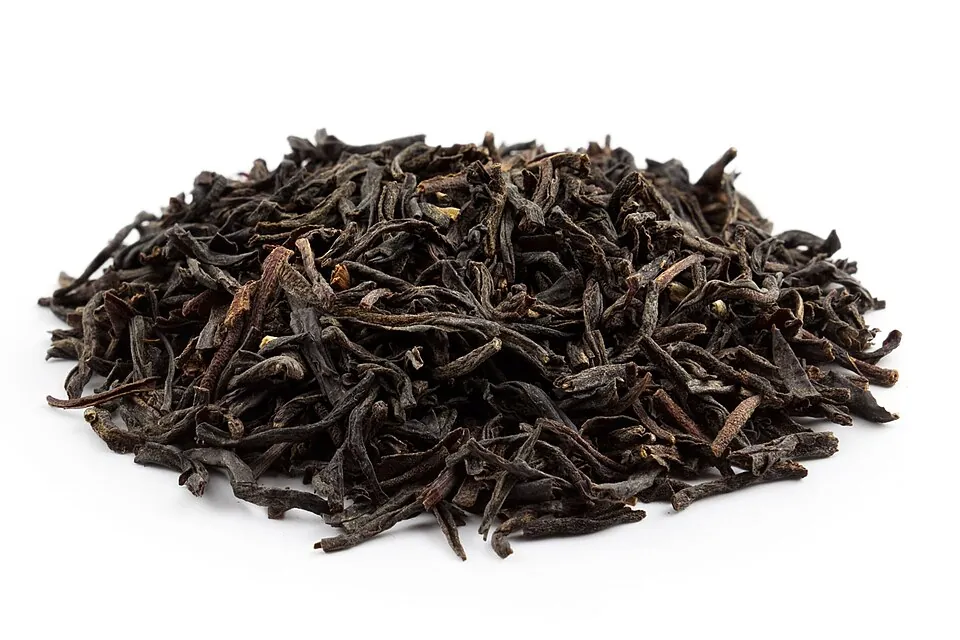
Assam Tea Enters the Plantation Age
In 1839 the Assam Company, one of India's first tea companies, was formed, and early Assam tea reached London auctions. Plantations spread across the Brahmaputra valley using native Assam tea plants and large numbers of recruited workers, reshaping the region's economy and population.
Tea made from the native Assam plant, Camellia sinensis var. assamica, had long been known to local communities before British officials took note of it in the 1820s. Early efforts to grow Chinese varieties in Assam failed, which pushed planters to rely on the local type. The year 1839 saw the founding of the Assam Company and the first shipments to be sold at London auctions, and commercial plantation farming grew quickly afterwards across both banks of the Brahmaputra. The industry required labour on a large scale, and managers recruited workers from central and eastern India, often under harsh contracts and in dangerous conditions, creating new communities in the tea districts. Heavy monsoon rain, warm weather and low-lying land suit the crop, which produces a strong, malty black tea valued in blends often sold as breakfast tea. By volume produced, Assam is today the biggest tea region on Earth. The history of its plantations links agriculture, empire, migration and labour, and it continues to shape the social life of the state.