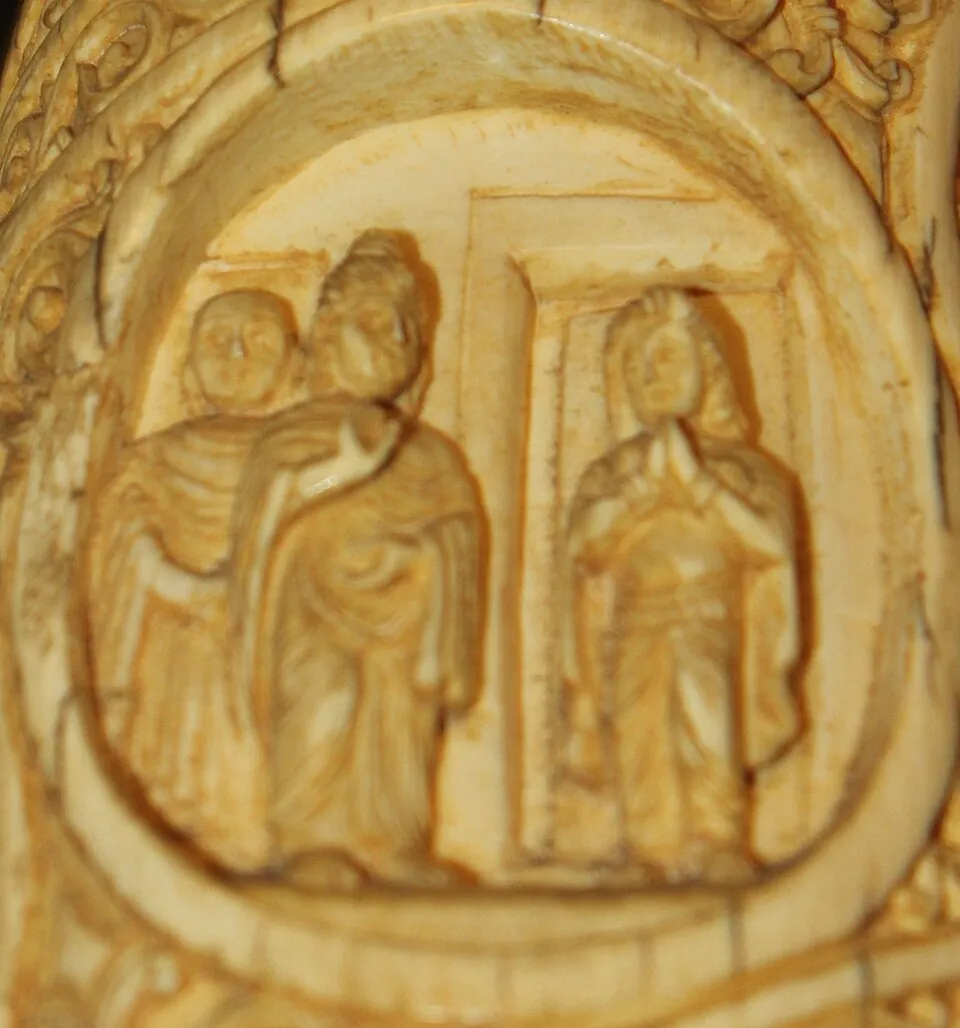
Āmrapālī, Courtesan of Vaiśālī and Buddhist Arhat
Āmrapālī · आम्रपाली
Āmrapālī was a celebrated courtesan of the Vaiśālī republic, around 500 BCE, who later became a devoted follower of the Buddha and an arhat. She donated her mango grove as a monastery to the Buddhist order, and the Buddha lodged there not long before he died, having accepted her invitation to a meal.
Āmrapālī, also called Ambapālī or Amra, was a renowned nagarvadhū, or royal courtesan, of the republic of Vaiśālī in what is now Bihar, around 500 BCE. She also held the title of rājanartakī, court dancer. Tradition says that she appeared by wonder beneath a mango tree in the royal gardens, which is why her name comes from the Pali amba, mango. Many princes sought to marry her, and so the city fathers settled the quarrel by making her a courtesan. Later in life she turned to the Buddha and became a devoted follower, and she is said to have reached arhatship. She founded a monastery in her own mango grove, called Ambapālivana, and presented it to the Buddha's order. The Buddha lodged in the grove not long before he died. He accepted her invitation to a meal, which meant refusing a later one from the Licchavi princes. Because her story comes mostly from Buddhist tradition, the details are legendary, and the date is approximate.