Vanarāja Founds Anahilapāṭaka, Capital of Gujarat
Aṇahilapāṭaka · अणहिलपाटक
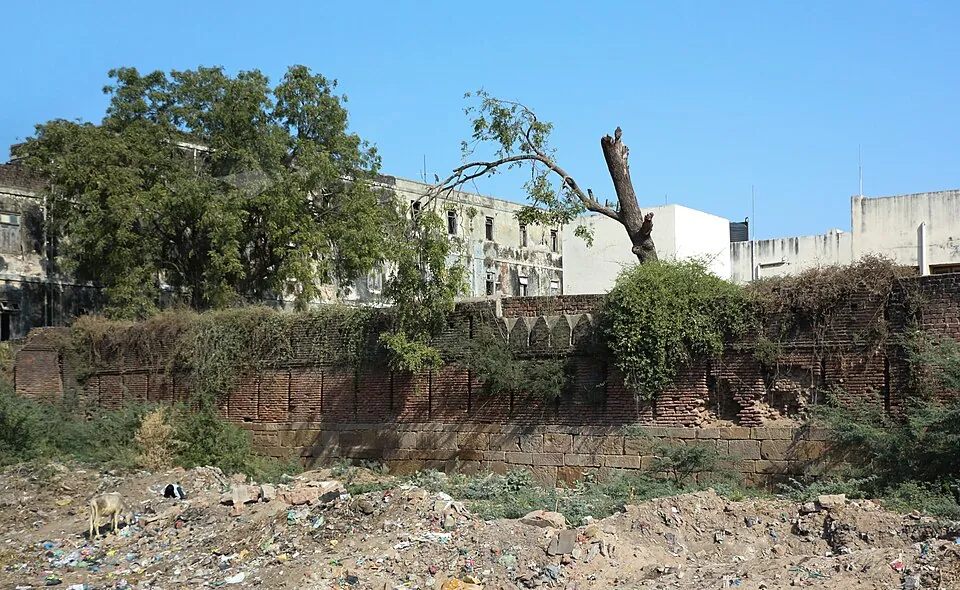
The city of Patan in northern Gujarat is traditionally founded in 746 by the Chāvaḍā king Vanarāja, and it became the seat of the Chavda and then the Chaulukya dynasties. Later it served the Gujarat Sultanate, and its markets, temples, mosques and shrines reflect that layered past.
Patan, the headquarters of its district in northern Gujarat, began as the capital of the Chāvaḍā ruler Vanarāja, whose foundation of the city is conventionally dated to 746 and is remembered in tradition under the older name Aṇahilapāṭaka, often written Anhilwad. It remained the capital of the Chavda and subsequently the Chaulukya dynasties through medieval centuries, and for a short span, from 1407 to 1411, the Gujarat Sultanate governed from here as well. Standing on the bank of the vanished Sarasvatī river, the town prospered through trade and administration under successive Hindu and Muslim rulers. Today it holds a mixture of Hindu and Jain temples alongside mosques, dargāhs and mausolea, an evident record of that continuous occupation. Its old bazaar is large and is believed to have operated without interruption since at least Vāghelā times. The foundation year rests on traditional chronicles, so it is best taken as a convention within about a few decades rather than an exact reading. The entry is placed here as the origin of a long-lived regional capital.
Sources
- Patan, Gujarat Wikipedia · CC-BY-SA-4.0
- Q579702 Wikidata · CC0-1.0