Mūlavarman and the Kutai Yūpa Inscriptions
Mūlavarman · मूलवर्मन्
Mūlavarman was a king of Kutai Martadipura in eastern Borneo around 400 CE. Our knowledge of him rests on seven yūpa inscriptions recovered from a holy site in East Kalimantan, which record his generous gifts of cattle and gold to brahmins.
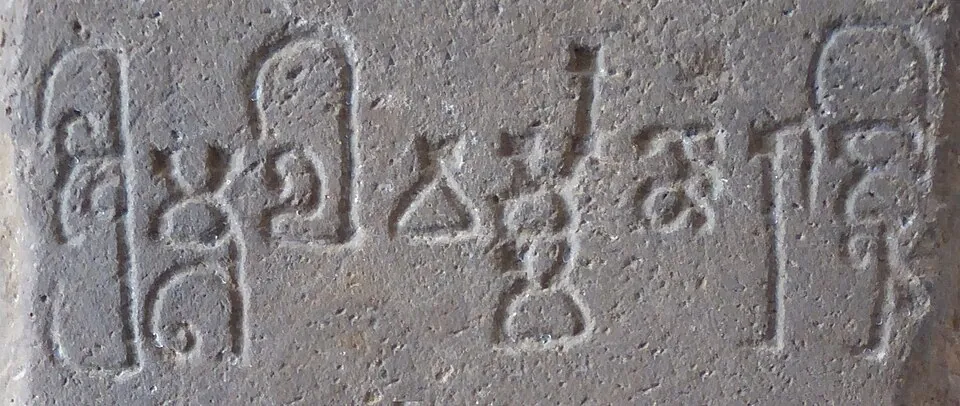
Śrī Mūlavarman Naladeva, known in Indonesian as Mulawarman, was a king of the Kutai Martadipura kingdom on the island of Borneo. He is generally dated to about 400 CE. Almost everything known about him derives from seven yūpa, stone pillars of the type used to tie sacrificial animals in Vedic-style ceremonies, recovered from a holy site in the Kutai area of East Kalimantan. Their Sanskrit inscriptions record that he gave extensive gifts to brahmins, including thousands of cattle and large quantities of gold, in connection with ritual occasions. These records are among the earliest evidence of Indian religion and royal practice taking root in Southeast Asian island communities, and they show a local ruler adopting Sanskrit as a language of prestige and public commemoration. The inscriptions also name his father and grandfather, giving a short family line that historians use to reconstruct the dynasty. Beyond these pillars the sources are thin, so scholars treat details of his reign, his realm's extent and the exact year of the inscriptions with caution.
Sources
- Mulavarman Wikipedia · CC-BY-SA-4.0
- Q16227759 Wikidata · CC0-1.0