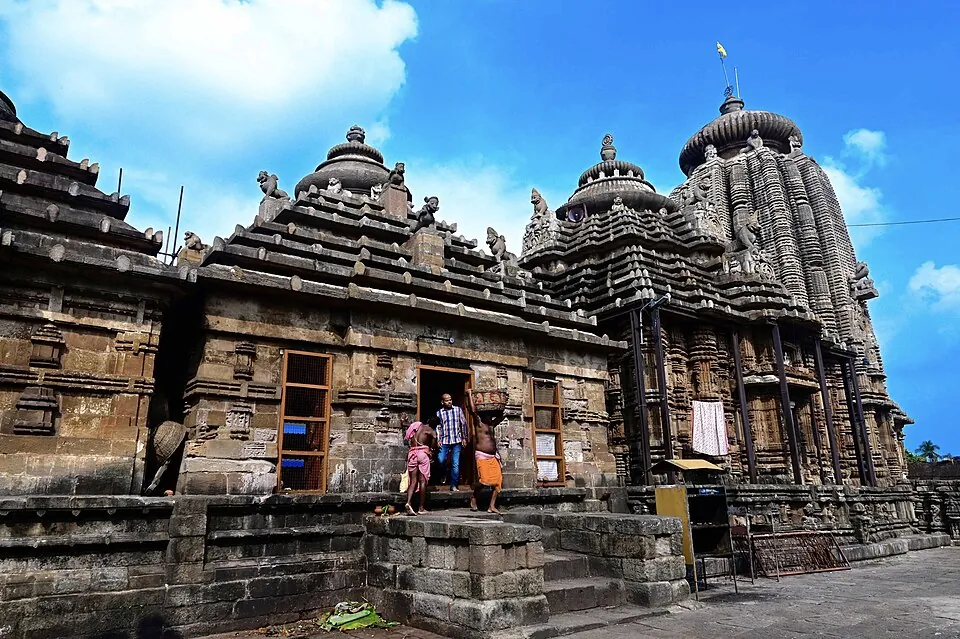
Ananta Vāsudeva Temple Built at Bhubaneswar
Ananta Vāsudeva · ଅନନ୍ତ ବାସୁଦେବ
The Ananta Vāsudeva Temple in Bhubaneswar, a rare Kṛṣṇa shrine in a city famed for Śaiva monuments, dates to the thirteenth century. Its images of Kṛṣṇa, Balarāma and Subhadrā are worshipped, and its foundation is tied to Candrikā Devī, daughter of Anaṅgabhīma III.
Bhubaneswar is best known for its many Śaiva temples, which makes the Ananta Vāsudeva Temple unusual: it is dedicated to Kṛṣṇa, an avatāra of Viṣṇu. Its name means the temple of the infinite Vāsudeva. The building belongs to the thirteenth century, and tradition connects it with Candrikā Devī, a daughter of the Eastern Gaṅga king Anaṅgabhīma III, during the reign of Bhānudeva. A commemorative inscription that recorded the foundation survives in the collection of the British Museum, giving the temple a firm documentary anchor. Inside, the full images of Kṛṣṇa, Balarāma and Subhadrā are worshipped, an arrangement that recalls the Jagannātha triad of Puri, to which the temple is often compared. The shrine therefore marks the spread of Vaiṣṇava devotion in a region where it lived beside older Śaiva traditions, and it illustrates the patronage of royal women in Odisha's medieval temple building. The year 1278 is used here as a convenient mark within that century.
Sources
- Ananta Vasudeva Temple Wikipedia · CC-BY-SA-4.0
- Q2578551 Wikidata · CC0-1.0