Berenike: Red Sea Port in the India Trade
Berenikē · बेरेनिके
Port founded 275 BCE; date marks the height of the Roman-era India trade.
Berenike, a Red Sea port of Egypt founded around 275 BCE by Ptolemy II, became a gateway for Roman-era trade with India. Excavations there have recovered Indian goods, showing how monsoon shipping linked the Mediterranean world with the subcontinent in antiquity.
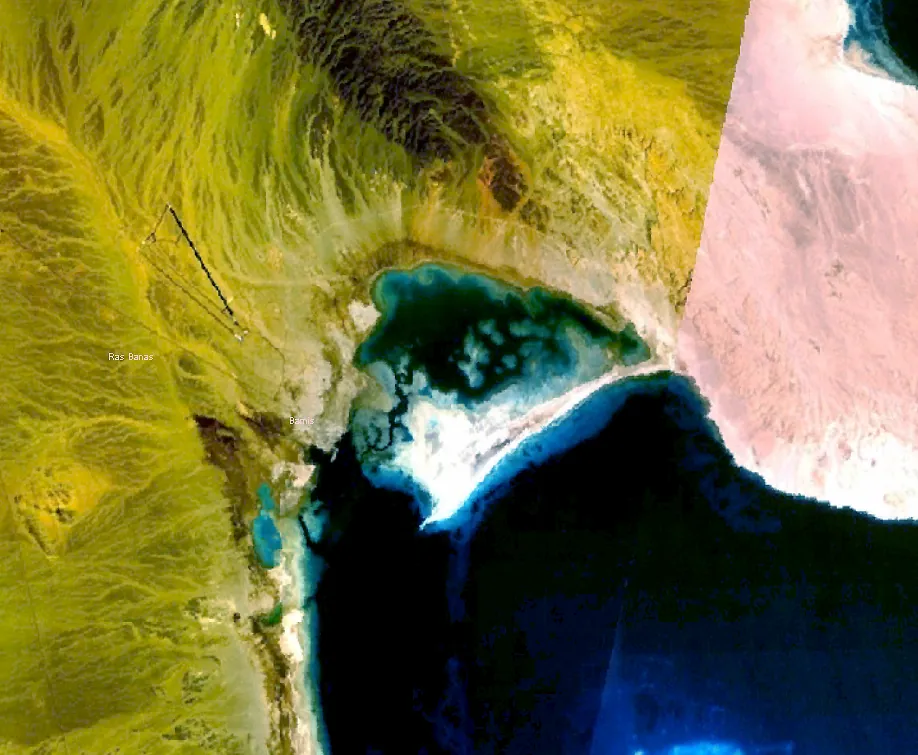
Berenike, also known as Berenice Troglodytica, was an ancient Egyptian seaport facing the Red Sea from its western side, about 825 kilometres south of Suez and 260 kilometres east of Aswan. Ptolemy II Philadelphus founded it in 275 BCE and named it after his mother, Berenice I. It sat on a narrow strip of shore between the mountains and the sea, at the head of a south-facing bay, and its harbour, though poor, was improved by engineering. Gemstones from a nearby island added to its early value. Goods landed there were carried overland to the Nile. In the Roman period, when sailors had learned to use the monsoon winds, Berenike grew into one of the main ports for trade with India and the Arabian coast. Archaeological work has uncovered Indian black pepper, Indian-made textiles and teak timber, among other finds, and a Tamil inscription on a pottery fragment, evidence of direct contact between Egypt and southern India. The date reflects the busiest period of the Indian trade in the first and second centuries CE.
Sources
- Berenice Troglodytica Wikipedia · CC-BY-SA-4.0
- Q819050 Wikidata · CC0-1.0