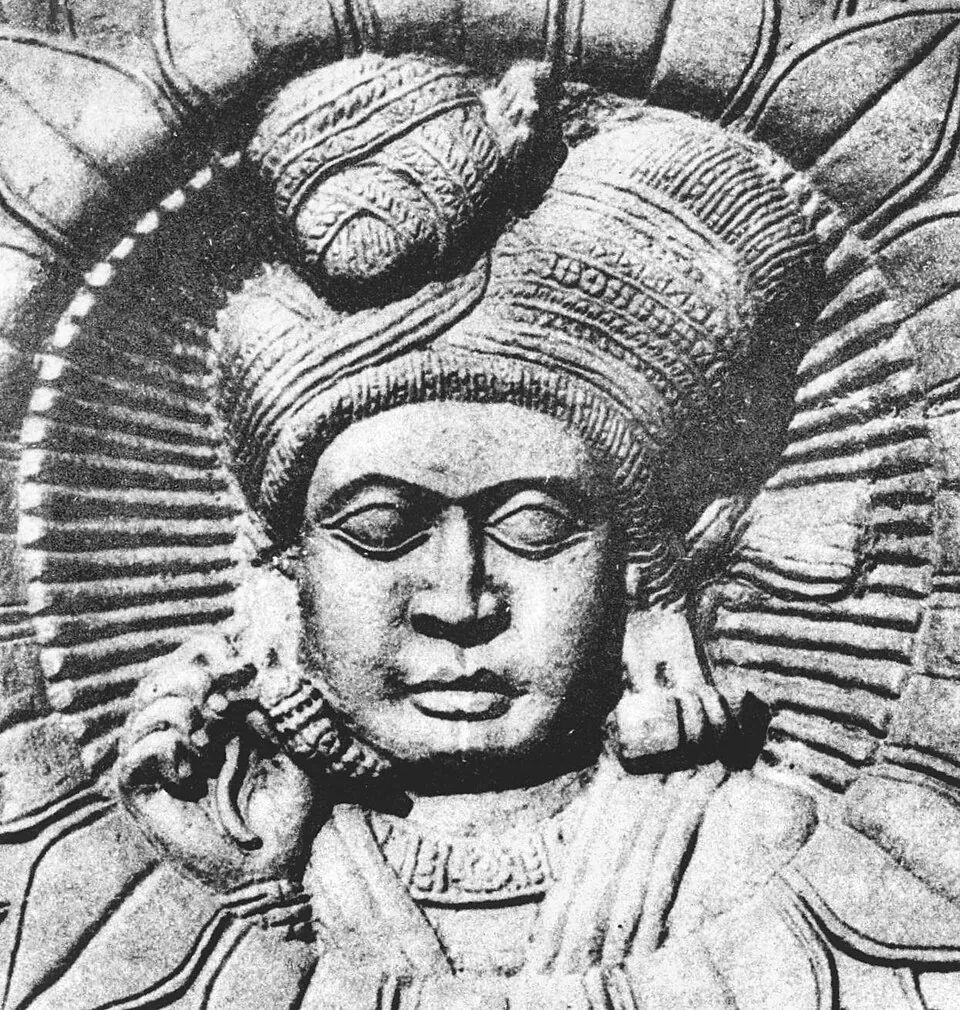
Puṣyamitra Śuṅga Founds the Śuṅga Dynasty
Puṣyamitra Śuṅga · पुष्यमित्र शुंग
Puṣyamitra Śuṅga ruled from about 185 to 149 BCE as founder of the Śuṅga Empire, which succeeded the Mauryas. An inscription from Dhanadeva at Ayodhyā records his Vedic Aśvamedha sacrifice. Buddhist claims of persecution under him are rejected by scholars.
Puṣyamitra Śuṅga, who reigned from roughly 185 to 149 BCE, founded the Śuṅga dynasty and so inaugurated the empire that took the place of the Mauryas in the Gangetic heartland. His links with the Brāhmaṇical tradition are shown by the Dhanadeva inscription from Ayodhyā, which records that he performed the Vedic Aśvamedha, a horse sacrifice that traditionally announced a king's sovereignty. Some Buddhist texts accuse him of persecuting Buddhists, but both older and present-day scholars have set these charges aside, noting that Buddhist art and monuments, including work at Bhārhut, continued to flourish under Śuṅga rule. The seizure of power from the last Maurya is the event that gives him a place at the start of the post-Maurya period, when regional dynasties, Indo-Greek rulers and new patrons reshaped northern India. His own record is thin, and much of what is said of him depends on later accounts and on a small number of inscriptions, which makes cautious reading of the sources important when assessing his reign and his religious policy.
Sources
- Pushyamitra Shunga Wikipedia · CC-BY-SA-4.0
- Q119973 Wikidata · CC0-1.0