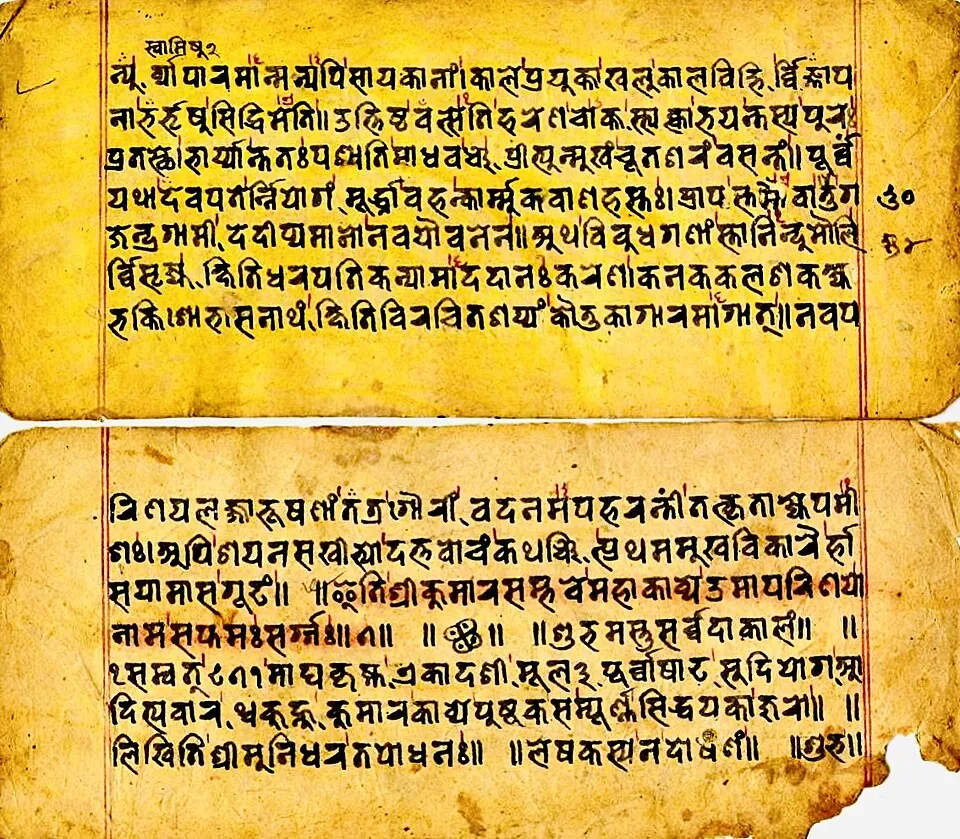
Kālidāsa's Kumārasambhava, the Birth of Kumāra
Kumārasambhavam · कुमारसम्भवम्
The Kumārasambhava is a Sanskrit court epic by Kālidāsa recounting the union of Śiva and Pārvatī and the birth of their son Kārttikeya. It is admired as a pinnacle of classical kāvya, though its date and the authenticity of its later cantos are debated.
The Kumārasambhava, 'The Birth of Kumāra', is a long Sanskrit poem attributed to Kālidāsa and widely counted among the finest examples of classical kāvya. It narrates how the gods, harassed by the demon Tāraka, need a son born of Śiva to lead their army, and how Pārvatī wins the austere god through penance after Kāma is burned by his gaze. Its descriptions of the Himalayas and of springtime set standards for nature imagery that poets drew on for many centuries. The poem has seventeen cantos in many manuscripts, yet a long scholarly argument concerns whether the whole work comes from Kālidāsa or only the first eight cantos, since the style and tone of the later portion are said to differ. Kālidāsa is usually placed in the fifth century CE, although his date is uncertain, and the year given here is a conventional approximation. The poem also served as the base for centuries of commentary and tradition, and it has been translated into numerous languages, keeping the Śiva and Pārvatī story familiar to readers today.
Sources
- Kumārasambhava Wikipedia · CC-BY-SA-4.0
- Q2588473 Wikidata · CC0-1.0