Era · c. 600–200 BCE
Mahājanapadas & Mauryas
128 moments in this era.
 600 BCE
Aṅga, an Early Realm of Eastern India
Aṅga was an ancient Indo-Aryan tribe and kingdom of eastern India, attested in the Iron Age. Buddhist texts such as the …
- 600 BCE
Aśmaka, the Mahājanapada of the Godāvarī Country
Aśmaka, or Assaka, was an ancient Indian Mahājanapada recorded in Buddhist texts and the Purāṇas as existing between abo…
- 600 BCE
Cārvāka, India's Materialist School
Cārvāka, also called Lokāyata, was an ancient Indian school of materialism that accepted perception and conditional infe…
- 600 BCE
Gandhāra, Mahājanapada of the Northwest
Gandhāra was an ancient region centred on the Peshawar Valley, in today's northwestern Pakistan and northeastern Afghani…
 600 BCE
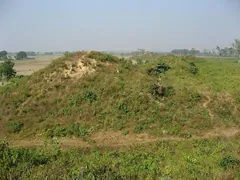
Kosala Mahājanapada
Kosala was one of the great Mahājanapadas of the middle Ganges plain. Growing from a small late Vedic polity, it became …
 600 BCE
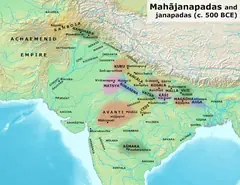
Rise of Magadha
Magadha was a kingdom of the eastern Ganges plain and one of the sixteen mahājanapadas of the second urbanisation. Over …
 600 BCE
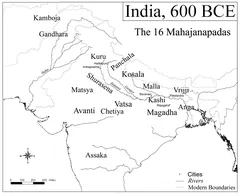
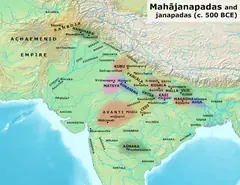
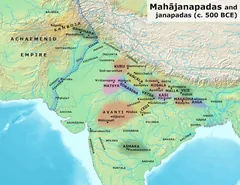
Age of the sixteen Mahājanapadas
From roughly the sixth to the fourth century BCE, northern India was divided among sixteen major polities known as Mahāj…
- 600 BCE
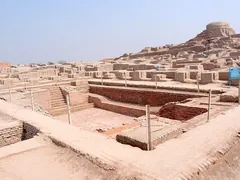
Mithilā and the Kingdom of Videha
Mithilā, also called Tirhut, is a cultural region between the Gaṅgā, Gaṇḍak, Mahānandā and the Himalayan foothills, and …
 600 BCE
Northern Black Polished Ware and the Rise of Early Cities
Northern Black Polished Ware is a lustrous, fine pottery of the Iron Age Gangetic plain, made roughly between 700 and 20…
- 600 BCE
Pañcāla, Doab Kingdom of the Late Vedic Age
Pañcāla was an ancient kingdom in the Ganges-Yamuna Doab around Kanyakubja or Kannauj. A power of the late Vedic age all…
 600 BCE
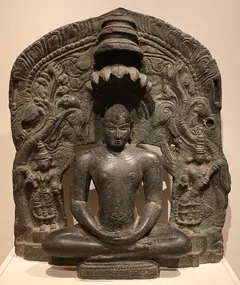
Pārśvanātha, Twenty-Third Jain Tīrthaṅkara
Pārśvanātha is the twenty-third tīrthaṅkara of Jainism and the earliest one accepted as historical. Jain tradition dates…
- 600 BCE
Punch-Marked Coins Enter Circulation
Punch-marked coins, called kārṣāpaṇas, were the earliest widespread coinage of ancient India, produced between roughly t…
- 600 BCE
The Śākya Republic of the Himalayan Foothills
The Śākyas were a people of the Himalayan foothills organised as a gaṇasaṅgha, or oligarchic republic, around the sevent…
- 600 BCE
Śramaṇa Movements Challenge Ritual Orthodoxy
From about the sixth century BCE, wandering ascetic movements known as the Śramaṇa tradition arose in the Gangetic regio…
- 600 BCE
Śūrasena, Mahājanapada of Mathura
Śūrasena was an ancient kingdom corresponding to today's Braj region of Uttar Pradesh, with its capital at Mathura. The …
- 600 BCE
Videha, from Monarchy to the Vajjika League
Videha was an Iron Age Indo-Aryan polity of north-eastern South Asia, first a monarchy and later a gaṇasaṅgha, an aristo…
 563 BCE
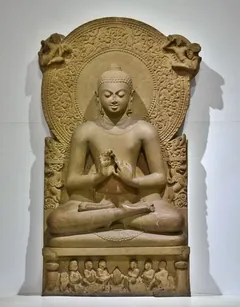
Life of Gautama Buddha
Siddhārtha Gautama, known as the Buddha or 'awakened one', was a wandering teacher of the eastern Gangetic plain in the …
- 563 BCE
Lumbini, Birthplace of the Buddha
Lumbini, in Nepal's Rupandehi District, is the Buddhist pilgrimage site where, according to tradition, Queen Māyā gave b…
- 550 BCE
The Kambojas on India's Northwestern Frontier
The Kambojas were a people of Iranian speech living on the northwestern edge of the Indian world, attested in Indo-Aryan…
- 550 BCE
The Malla Republics of Kuśinārā and Pāvā
The Mallas were an Iron Age Indo-Aryan people from the north-east of the subcontinent, organised in two branches, each a…
- 550 BCE
Prasenajit, King of Kosala and Patron of the Buddha
Prasenajit, called Pasenadi in Pali, ruled Kosala from Śrāvastī in the sixth or fifth century BCE. A prominent lay follo…
- 550 BCE
The Vajjika League of North-East India
The Vajjika, or Vṛji, League was an ancient tribal confederacy, also called a saṅgha, that flourished in north-east Indi…
- 546 BCE
The Pradyota Dynasty of Avanti
The Pradyota dynasty ruled Avanti, with its capital at Ujjain, after Pradyota's father Pulika is said to have placed him…
- 544 BCE
The Haryaṅka Dynasty Founds Magadha's Rise
The Haryaṅka dynasty ruled Magadha, with Bimbisāra usually named as its founder. Buddhist chronicles date it from 544 to…
 543 BCE
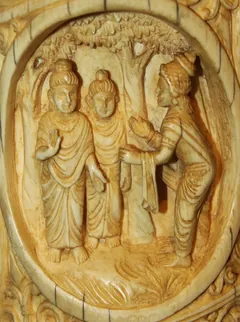
Bimbisāra, King of Magadha
Bimbisāra of the Haryaṅka dynasty ruled Magadha in the sixth or fifth century BCE, depending on the chronology followed.…
 540 BCE
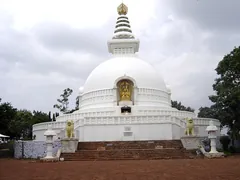
Rājagṛha, First Capital of Magadha
Rājagṛha, today Rajgir in Bihar, was the first capital of the kingdom of Magadha and later served several dynasties down…
 530 BCE
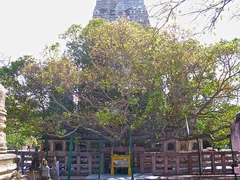
The Bodhi Tree at Bodh Gayā
Buddhist tradition holds that Siddhārtha Gautama attained awakening beneath a sacred fig at Bodh Gayā in Bihar, around t…
- 528 BCE
The First Sermon at Sarnath
At the Deer Park of Sarnath, near Varanasi, the Buddha delivered his first teaching to five former companions, the event…
 518 BCE
Persian Armies Reach the Indus
From about 535 BCE the Achaemenid Persians under Cyrus began absorbing lands west of the Indus, and around 518 BCE Dariu…
- 515 BCE
Darius I Brings the Indus Valley into the Persian Empire
Around 515 BCE the Achaemenid king Darius I extended Persian rule to the Indus Valley, making the region the easternmost…
- 500 BCE
Ajita Keśakambalī and Early Indian Materialism
Ajita Keśakambalī was an ancient Indian thinker of the sixth century BCE, likely alive at the same time as the Buddha an…
 500 BCE
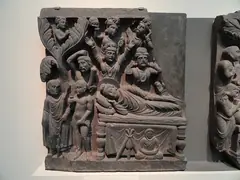
The Ājīvikas: A Śramaṇa School of Fate
The Ājīvikas were a heterodox Śramaṇa movement, traditionally said to have been founded by Makkhali Gosāla in the fifth …
 500 BCE
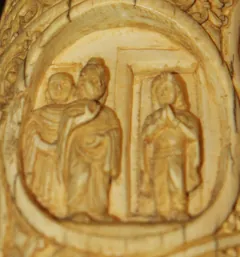
Āmrapālī, Courtesan of Vaiśālī and Buddhist Arhat
Āmrapālī was a celebrated courtesan of the Vaiśālī republic, around 500 BCE, who later became a devoted follower of the …
 500 BCE
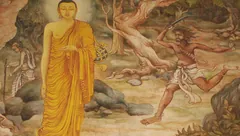
Aṅgulimāla, the Brigand Who Became a Monk
In Buddhist tradition Aṅgulimāla, whose name means finger necklace, was a feared brigand who was converted by the Buddha…
- 500 BCE
The Buddhist Saṅgha, Monastic Community of the Early Tradition
In Buddhism the saṅgha is the community of monks and nuns, while the word has older uses for governing assemblies and la…
- 500 BCE
Pratītyasamutpāda, the Doctrine of Dependent Origination
Pratītyasamutpāda, or dependent origination, is a core Buddhist doctrine accepted by every school. It teaches that condi…
- 500 BCE
The Four Noble Truths of Buddhist Teaching
The Four Noble Truths, central to Buddhism, describe the truths of the noble ones: dukkha, its arising, its cessation an…
- 500 BCE
Gopatha Brāhmaṇa, the Brāhmaṇa of the Atharvaveda
The Gopatha Brāhmaṇa is the only Brāhmaṇa attached to the Atharvaveda, a prose text on Vedic ritual linked to both the Ś…
 500 BCE
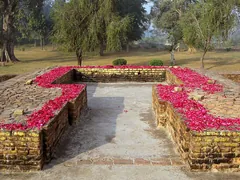
Jetavana, the Monastery Where the Buddha Taught Most
Jetavana, Jeta's grove, was one of the most famous Buddhist vihāras, just outside the old city of Sāvatthī in what is no…
 500 BCE
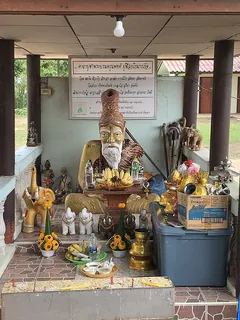
Jīvaka, Physician of the Buddha and King Bimbisāra
Jīvaka Komārabhacca was the personal physician of the Buddha and of King Bimbisāra of Magadha, living in Rājagṛha in the…
- 500 BCE
The Kaṭha Upaniṣad and the Boy Naciketas
The Kaṭha Upaniṣad, a principal Upaniṣad of the Black Yajurveda, tells how the boy Naciketas meets Yama, lord of the dea…
 500 BCE
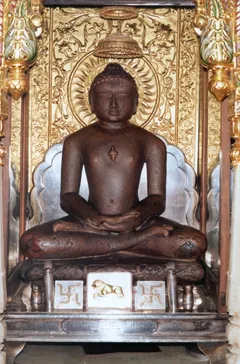
Mahāvīra, 24th Tīrthaṅkara of Jainism
Mahāvīra, born Vardhamāna, was a religious teacher whom Jains honour as the twenty-fourth and last Tīrthaṅkara of the pr…
- 500 BCE
Makkhali Gosāla, Teacher of the Ājīvika Ascetics
Makkhali Gosāla was a leading teacher of the Ājīvika ascetics in the sixth or fifth century BCE, a contemporary of both …
 500 BCE
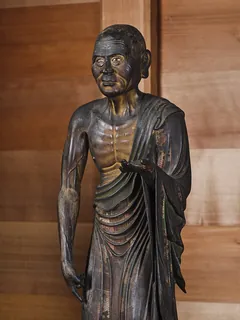
Maudgalyāyana, Second Chief Disciple of the Buddha
Maudgalyāyana, known in Pali as Moggallāna, was among the Buddha's nearest followers and, with Śāriputra, ranked as one …
- 500 BCE
Sañjaya Belaṭṭhiputta, Teacher of Suspended Judgement
Sañjaya Belaṭṭhiputta was an ascetic philosopher of Magadha in the sixth or seventh century BCE who belonged to the ajñā…
 500 BCE
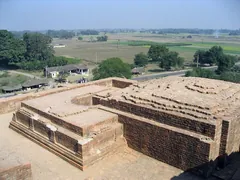
Shravasti, Kosala's Capital and the Buddha's Rains Retreat
Shravasti, near the Rapti river in Uttar Pradesh, was the capital of ancient Kosala and the place where the Buddha spent…
 500 BCE
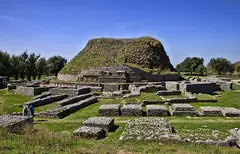
Takṣaśilā, city of learning in Gandhāra
Takṣaśilā (Taxila), in present-day Punjab, Pakistan, was a leading city of ancient Gandhāra and a meeting point between …
 500 BCE
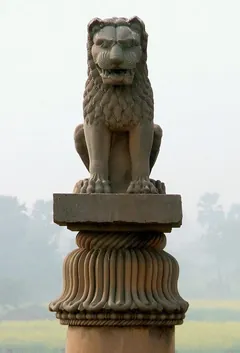
Vaiśālī, Capital of the Vajjika League
Vaiśālī, now an archaeological site north of Patna in Bihar, was the chief city of the Vajjika League, often cited as on…
 500 BCE
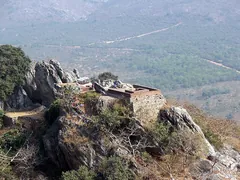
Vulture Peak, the Buddha's Retreat at Rajagaha
Vulture Peak, or Gridhrakuta, is a hill at Rajgir in Bihar that Buddhist tradition names as a favourite retreat of the B…
- 500 BCE
Yāska's Nirukta: Etymology as a Vedāṅga
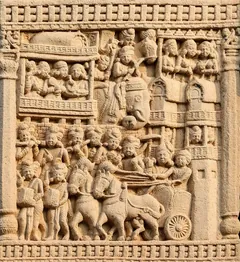
Nirukta, meaning explained or interpreted, is the Vedāṅga of etymology, concerned with the correct interpretation of dif…
 492 BCE
Ajātaśatru, king of Magadha
Ajātaśatru, known in Pali as Ajātasattu and in Jain sources as Kūṇika, was a leading ruler of the Haryaṅka dynasty of Ma…
 490 BCE
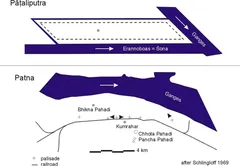
Founding of Pāṭaliputra
Pāṭaliputra, beside modern Patna in Bihar, began around 490 BCE as a small Magadhan fort built under Ajātaśatru near the…
- 480 BCE
First Buddhist Council at Rājagṛha
Buddhist texts relate that soon after the Buddha's passing, the monastic community gathered at Rājagṛha to recite his te…
 480 BCE
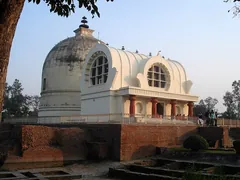
Kuśinagara, Place of the Buddha's Parinirvāṇa
Kuśinagara, now Kushinagar in Uttar Pradesh, is the Buddhist pilgrimage town where Gautama Buddha is believed to have di…
- 480 BCE
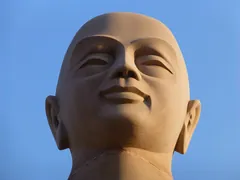
Mahakashyapa Presides Over the First Buddhist Council
Mahakashyapa was one of the Buddha's principal disciples, known as foremost in ascetic practice. According to Buddhist t…
 480 BCE
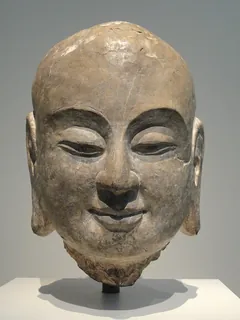
Upāli Recites the Vinaya at the First Council
Upāli, among the ten foremost disciples of the Buddha, is remembered as the master of monastic discipline. Born into the…
 450 BCE
Ānanda, Attendant of the Buddha
Ānanda, the Buddha's cousin and personal attendant, was known as the disciple with the best memory. Buddhist tradition c…
- 450 BCE
Anāthapiṇḍika Donates the Jetavana Monastery
Anāthapiṇḍika, born Sudatta, was a wealthy merchant of Śrāvastī and the Buddha's chief lay patron. He founded the Jetava…
- 450 BCE
Āpastamba Dharmasūtra, a Well-Preserved Early Law Text
The Āpastamba Dharmasūtra is a post-Vedic Sanskrit text on dharma, one of the oldest to survive from the first millenniu…
- 413 BCE
The Śaiśunāga Dynasty Succeeds the Haryaṅkas in Magadha
The Śaiśunāga dynasty is held in some sources to have been the second ruling house of Magadha, following the Haryaṅka li…
- 400 BCE
The Ācārāṅga Sūtra, Oldest Jain Text
The Ācārāṅga Sūtra, first of the twelve Aṅgas of Jain scripture, is regarded as the oldest Jain text, with its first boo…
- 400 BCE
Brahmajāla Sutta, the Buddha's Net of Views
The Brahmajāla Sutta is the first discourse of the Dīgha Nikāya in the Pāli Canon of Theravāda Buddhism. Its name is oft…
 400 BCE
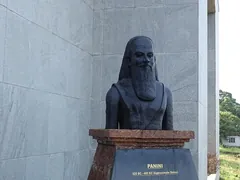
Pāṇini composes the Aṣṭādhyāyī
Pāṇini, the Sanskrit grammarian, composed the Aṣṭādhyāyī, the foundational treatise of vyākaraṇa, one of the six Vedāṅga…
- 400 BCE
The Satipaṭṭhāna Sutta on Mindfulness
The Satipaṭṭhāna Sutta and its expanded companion, the Mahāsatipaṭṭhāna Sutta, are two of the most widely studied discou…
- 400 BCE
The Vinaya Piṭaka: Monastic Discipline
The Vinaya is the body of Buddhist monastic rules for ordained monks and nuns, held to have grown during the Buddha's li…
- 380 BCE
The Mahasanghika School Emerges from the First Schism
The Mahasanghika, or school of the Great Sangha, was one of two original communities to emerge from the first schism of …
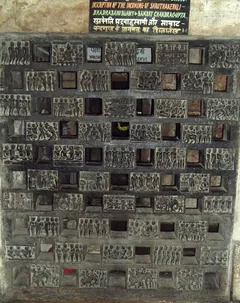 367 BCE
Ācārya Bhadrabāhu, the Last Śrutakevalin
Ācārya Bhadrabāhu, who lived roughly from 367 to 298 BCE, was a Jain monk and scholar remembered by both major sects as …
- 345 BCE
Alagankulam, Ancient Port on the Vaigai
Excavations at Alagankulam, a village on the Vaigai in Ramanathapuram district, produced artefacts carbon-dated to 345 B…
- 345 BCE
Mahāpadma Nanda Founds the Nanda Dynasty of Magadha
Mahāpadma Nanda is named in the Purāṇas as the first Nanda king of Magadha, active in the mid-fourth century BCE. They c…
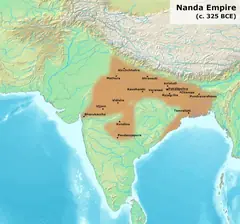 345 BCE
Nanda Empire of Magadha
The Nandas ruled Magadha and much of the Gangetic plain in the fourth century BCE, building on the Haryaṅka and Śaiśunāg…
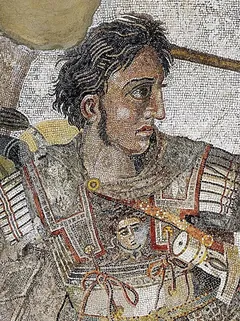 326 BCE
Alexander's Campaign in Northwest India
In 326 BCE Alexander of Macedon, having overthrown the Achaemenid Persian Empire, crossed into northwestern India. He de…
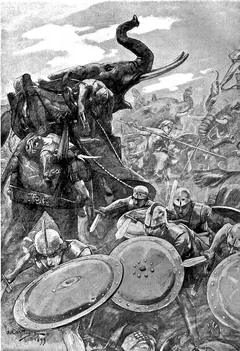 326 BCE
Alexander Defeats Porus at the Hydaspes
In May 326 BCE Alexander the Great crossed the swollen Hydaspes in what is now Punjab, Pakistan, and defeated the Paurav…
- 326 BCE
The Gymnosophists: Greek Accounts of India's Naked Philosophers
Greek writers described the Gymnosophists, or 'naked wise men', as Indian ascetics who rejected clothing and even food a…
 322 BCE
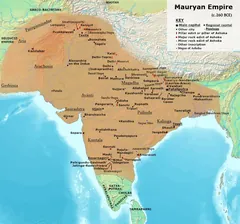
Founding of the Maurya Empire
Around 320 BCE Candragupta Maurya overthrew the Nanda rulers of Magadha and founded the Maurya Empire, which at its peak…
 321 BCE
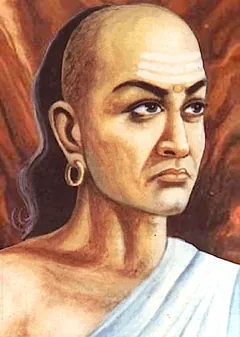
Cāṇakya, Adviser to Candragupta Maurya
Cāṇakya is remembered in legendary accounts as the Brahmin strategist who helped Candragupta Maurya win power and found …
- 321 BCE
Rise of Chandragupta Maurya
Chandragupta Maurya founded the Maurya Empire based in Magadha, reigning from about 320 to 298 BCE. In the turbulent yea…
 321 BCE
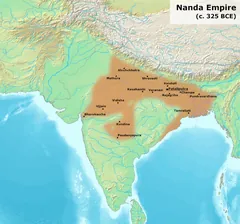
Dhana Nanda, Last King of the Nandas, Falls to Chandragupta
Dhana Nanda, the last Nanda ruler of Magadha, was overthrown by Chandragupta Maurya, ending the Nanda Empire around 321 …
 305 BCE
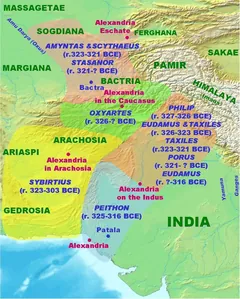
Seleucid–Mauryan War and Alliance
Between about 305 and 303 BCE, Seleucus I Nicator crossed the Indus to reclaim former Macedonian satrapies held by Chand…
- 305 BCE
Seleucus Nicator Cedes Eastern Lands to Chandragupta
Seleucus I Nicator, a former general of Alexander who founded the Seleucid realm, came to terms with Chandragupta Maurya…
 300 BCE
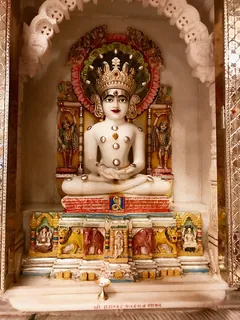
The Digambara and Śvetāmbara Branches of Jainism
Jainism came to be divided into two main branches, Śvetāmbara, whose ascetics wear white, and Digambara, whose ascetics …
 300 BCE
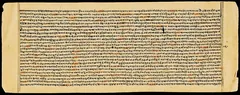
The Jain Āgamas, Canon of an Oral Tradition
The Jain Āgamas are the canonical scriptures of Jainism, composed in Ardhamāgadhī Prākrit and passed on orally before be…
- 300 BCE
The Jain Councils and the Redaction of the Āgamas
Jain texts record several councils held to revise and compile the Āgamas, the sacred texts. The first met at Pāṭaliputra…
- 300 BCE
Jātaka Tales of the Buddha's Past Lives
The Jātakas are a large body of Buddhist stories about the earlier births of the Buddha, who appears as king, outcaste, …
 300 BCE
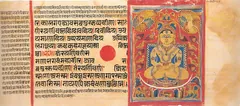
The Kalpa Sutra Preserves the Lives of the Tirthankaras
The Kalpa Sutra is a major Jain scripture with biographies of the Tirthankaras, especially Parshvanatha and Mahavira. It…
 300 BCE
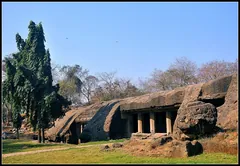
Mahakali Caves, Buddhist Monastery in Mumbai
The Mahakali Caves, also called the Kondivita caves, form a group of nineteen rock-cut Buddhist monuments in Andheri, Mu…
 300 BCE
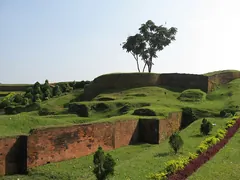
Mahasthangarh, Earliest City Site in Bangladesh
Mahasthangarh in Bogra district is the earliest urban archaeological site found so far in Bangladesh. It preserves the r…
- 300 BCE
Megasthenes writes the Indica
Megasthenes, a Greek envoy and historian of the Hellenistic age, wrote the Indica, the first account of India composed b…
- 300 BCE
Jaimini's Mīmāṃsā Sūtra Sets Out Ritual Interpretation
The Mīmāṃsā Sūtra, or Pūrva Mīmāṃsā Sūtra, ascribed to the sage Jaimini and dated about 300 to 200 BCE, is a foundation …
 300 BCE
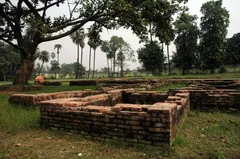
The Pillared Hall at Pāṭaliputra, Kumhrar
At Kumhrar in Patna, the Archaeological Survey of India has excavated from 1913 the remains of ancient Pāṭaliputra, incl…
- 300 BCE
Sallekhana and the Jain Tradition of Chandragupta at Shravanabelagola
Sallekhana is the Jain vow of voluntarily fasting to a peaceful end, practised by ascetics and householders. Jain tradit…
 300 BCE
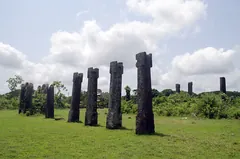
Śiśupālgarh, Fortress Capital of Ancient Kalinga
Śiśupālgarh, in Khurda district, Odisha, is a large, well-preserved early historic fortified site first occupied in the …
 297 BCE
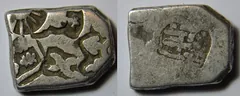
Bindusāra, second Mauryan emperor
Bindusāra ruled the Mauryan Empire from roughly 297 to 273 BCE, between his father Candragupta, the founder, and his son…
 268 BCE
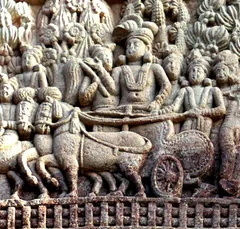
Aśoka Rules the Maurya Empire and Turns to Dhamma
Aśoka, third Maurya emperor, ruled from Pāṭaliputra from about 268 BCE over most of the subcontinent. After the Kaliṅga …
- 262 BCE
Aśoka's Kalinga War
The Kalinga War, which ended around 261 BCE, pitted the Mauryan emperor Aśoka against the independent coastal kingdom of…
 261 BCE
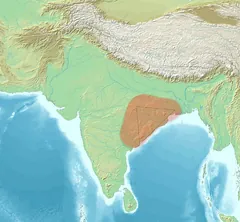
Kalinga, the Eastern Coastal Region and the Mauryan Conquest
Kalinga is a historical region on India's eastern coast between the Ganges and Godavari, centred on modern Odisha and pa…
 260 BCE
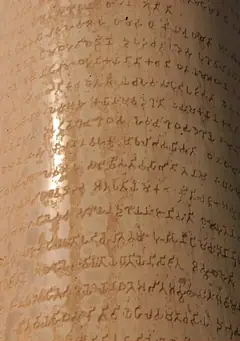
Ashoka's Rock Edicts
Inscriptions record that the Mauryan emperor Ashoka had proclamations carved on rocks and pillars across the subcontinen…
 258 BCE
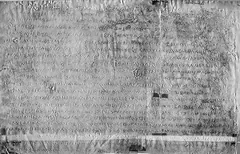
Aśoka's Greek Edict Found at Kandahar
A limestone fragment inscribed in Greek and Prakrit with Major Rock Edicts of Aśoka was found at Old Kandahar in Afghani…
- 257 BCE
Jaugada, Ashokan Edicts in Kalinga
Jaugada, ancient Samāpā, in Ganjam district, Odisha, was a Mauryan provincial fortified capital of the newly conquered K…
- 250 BCE
Abhidharma: Systematic Buddhist Doctrine
Abhidharma means 'about the Dharma' and names a body of Buddhist scholastic texts, the earliest dating from the third ce…
- 250 BCE
Kauṭilya's Arthaśāstra
The Arthaśāstra is a Sanskrit treatise on statecraft, administration, economics, law and warfare. Tradition links its au…
- 250 BCE
The Barabar Caves, India's Oldest Rock-Cut Chambers
The Barabar and Nagarjuni hills in Bihar hold the earliest rock-cut caves that still stand in India, cut in the Mauryan …
 250 BCE
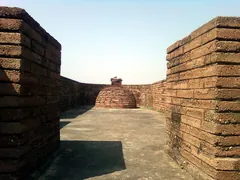
Bavikonda, the Hill of Wells and an Early Buddhist Monastery
Bavikonda, about 16 km from Visakhapatnam in Andhra Pradesh, is a hilltop Buddhist complex whose monastic ruins go back …
 250 BCE
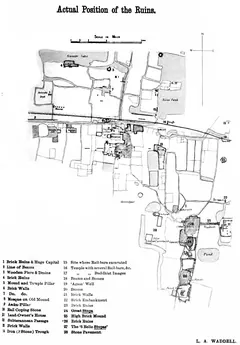
Bulandi Bagh, Palace Ground of Mauryan Pāṭaliputra
Bulandi Bagh, in modern Patna, belongs to the buried city of Pāṭaliputra. Digging there in 1895 brought up the great Pāṭ…
- 250 BCE
The Dhammapada, Verses of the Buddha
The Dhammapada is a collection of verses ascribed to the Buddha, preserved in the Khuddaka Nikāya of the Pāli Canon. It …
 250 BCE
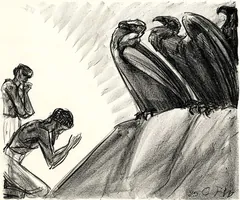
Jaimini and the Foundations of Pūrva Mīmāṃsā
Jaimini is regarded as the founder of the Mīmāṃsā school of Hindu philosophy and the traditional author of the Mīmāṃsā S…
- 250 BCE
Kharoṣṭhī, the Script of Gandhāra
Kharoṣṭhī, also called the Gāndhārī script, was an ancient Indic script that developed in the Gandhāra region, in today'…
 250 BCE
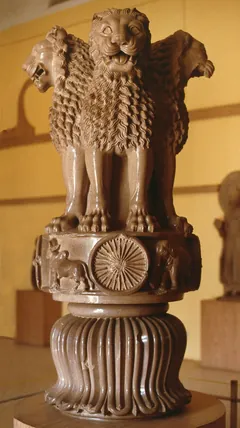
The Lion Capital of Aśoka at Sārnāth
The Lion Capital, set up around 250 BCE at Sārnāth by the Mauryan emperor Aśoka, shows four lions back to back on a drum…
 250 BCE
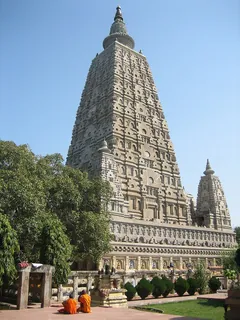
Mahābodhi Temple at Bodh Gayā
The Mahābodhi Temple at Bodh Gayā in Bihar marks where the Buddha is believed to have attained enlightenment. The Vajrās…
- 250 BCE
Maski and Ashoka's Edict Naming Aśoka
Maski, an archaeological town in Raichur district, Karnataka, became famous when C. Beadon found a minor rock edict ther…
 250 BCE
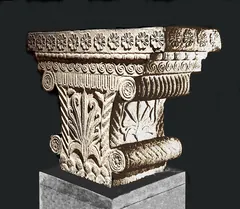
Mauryan Art Moves from Wood to Stone
Under the Maurya Empire, between 322 and 185 BCE, royal patronage, above all by Aśoka, shifted Indian art from wood to s…
- 250 BCE
Pāñcarātra, the Theistic Movement Around Nārāyaṇa
Pāñcarātra arose around the late third century BCE as a devotional movement centred on Nārāyaṇa and the forms of Viṣṇu. …
 250 BCE
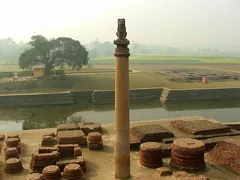
Pillars of Aśoka
The pillars of Aśoka are polished stone columns raised or inscribed by the Mauryan emperor Aśoka in the third century BC…
 250 BCE
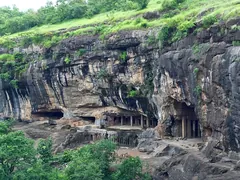
Pitalkhora, Early Buddhist Caves of the Deccan
Pitalkhora, in the Western Ghats of Maharashtra, is a group of fourteen rock-cut Buddhist caves that go back to about th…
 250 BCE
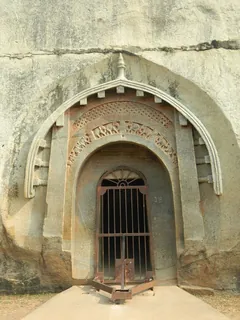
Lomas Rishi Cave Carved in the Barabar Hills
The Lomas Rishi Cave in the Barabar hills of Bihar was cut during Aśoka's reign in the third century BCE. Its hut-style …
 250 BCE
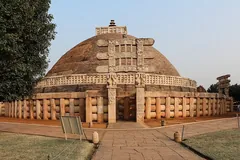
Great Stupa at Sāñcī
The Great Stupa at Sāñcī in Madhya Pradesh, among the oldest stone monuments in India, began as a brick dome raised over…
- 250 BCE
Kanaganahalli Stupa Near Sannati
Kanaganahalli, on the left bank of the Bhima river near Sannati in Kalaburagi district, Karnataka, is a major Buddhist s…
- 250 BCE
Sopara, Ancient Port Town of the Konkan
Nala Sopara, once called Sūrpāraka or Sopara, is a city in Palghar district, Maharashtra, within the Mumbai Metropolitan…
- 250 BCE
Dharmarajika Stupa at Taxila, Ashoka's Great Stupa
The Dharmarajika Stupa near Taxila in present-day Pakistan is traditionally credited to the emperor Ashoka in the third …
 250 BCE
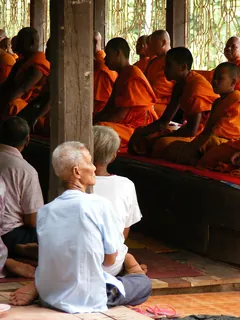
Theravāda, the Oldest Surviving Buddhist School
Theravāda, the School of the Elders, is the oldest surviving school of Buddhism. Its followers have kept the Buddha's te…
- 250 BCE
Third Buddhist Council at Pāṭaliputra
According to Theravāda tradition, the Third Buddhist Council met at Pāṭaliputra around 250 BCE under the patronage of Em…
- 250 BCE
The Pāli Tipiṭaka, Early Buddhist Scripture Preserved in Sri Lanka
The Pāli Canon, or Tipiṭaka, is the most complete surviving early Buddhist scripture and the standard collection of the …
- 247 BCE
Devānampiya Tissa and Buddhism's Arrival in Laṅkā
Devānampiya Tissa, meaning loved by the gods, was an early king of Anurādhapura in Sri Lanka whose reign saw Buddhism ar…
 247 BCE
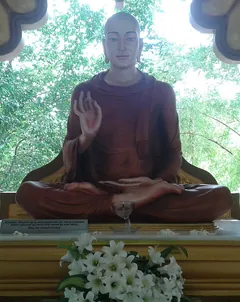
Mahinda Carries Buddhism to Sri Lanka
Mahinda, a Buddhist monk remembered in Sri Lankan tradition as a son of Emperor Aśoka, was sent as a missionary to the A…
- 245 BCE
Saṅghamittā Carries the Bhikkhunī Order to Sri Lanka
Saṅghamittā, a Buddhist nun regarded in Sri Lankan tradition as Aśoka's eldest daughter, travelled with her brother Mahi…
- 235 BCE
Prince Kuṇāla of the Mauryan House
Kuṇāla, born about 263 BCE, was a son of Aśoka and Padmāvatī and a crown prince of the Mauryan empire. Tradition says he…
- 232 BCE
Daśaratha Maurya Succeeds Aśoka
Daśaratha Maurya reigned from about 232 to 224 BCE as the fourth Mauryan emperor, generally held to be Aśoka's grandson.…
- 224 BCE
Samprati, Mauryan Emperor and Jain Patron
Samprati, who reigned from about 224 to 215 BCE, was the fifth Mauryan emperor, grandson of Ashoka. Jain tradition remem…
- 200 BCE
The Bhāgavata Tradition and Devotion to Vāsudeva-Kṛṣṇa
The Bhāgavata Sampradāya is an ancient Vaiṣṇava tradition centred on devotion to Bhagavān Vāsudeva-Kṛṣṇa, which began ar…