Era · 1526–1757 CE
Mughal & Maratha
347 moments in this era.
 1526 CE
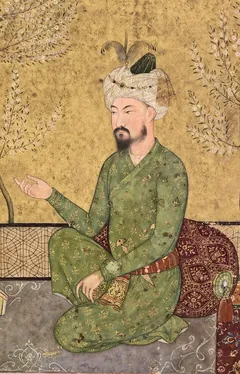
Bābur Founds the Mughal Empire
Bābur, a descendant of Timur and Genghis Khan born in Fergana, founded the Mughal Empire after defeating Ibrāhīm Lodī at…
- 1526 CE
Dhrupad, the Oldest Major Vocal Form of Hindustani Music
Dhrupad is the oldest known of the major vocal styles of Hindustani classical music, with roots in Sanskrit texts such a…
 1526 CE
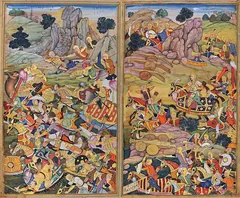
First Battle of Panipat
At Panipat, north of Delhi, on 21 April 1526 the Timurid prince Bābur defeated Ibrāhīm Lodī, the last sultan of Delhi. B…
 1527 CE
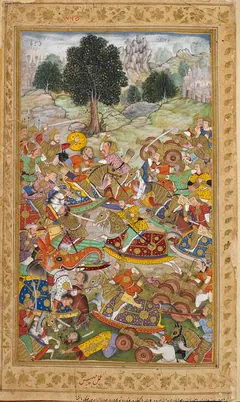
Battle of Khanwa
On 16 March 1527, at Khanwa in present-day Rajasthan, the Mughal ruler Bābur defeated a Rajput coalition led by Rāṇā Sāṅ…
- 1528 CE
Babri Masjid Built at Ayodhya, 1528
The Babri Masjid in Ayodhya was built in 935 AH (1528–29 CE) by Mir Baqi, a commander of Babur, according to its inscrip…
- 1528 CE
Mughal Gardens Take Root in Hindustan
Mughal gardens, inspired by the Persian charbagh, were laid out in India from the early sixteenth century. Built on stri…
- 1529 CE
The Madurai Nāyaka Dynasty
The Madurai Nāyakas, a Telugu-speaking dynasty, ruled much of Tamil Nadu from Madurai between about 1529 and 1736, first…
 1530 CE
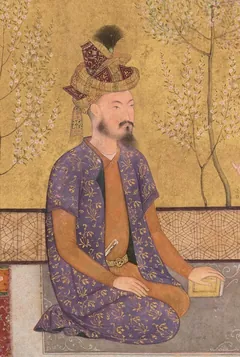
Humāyūn, Second Mughal Emperor
Humāyūn succeeded his father Bābur as Mughal emperor in December 1530. He lost his realm to Sher Shāh Sūrī within a deca…
- 1530 CE
Jyeṣṭhadeva Writes the Yuktibhāṣā
Jyeṣṭhadeva (c. 1500–c. 1575), an astronomer-mathematician of the Kerala school, wrote the Yuktibhāṣā, a Malayalam comme…
 1530 CE
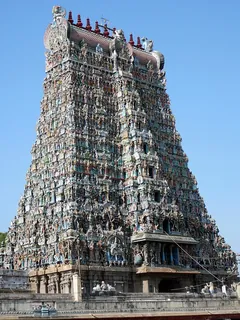
Nāyaka Expansion of the Mīnākṣī Temple
The Mīnākṣī Sundareśvara temple in Madurai honours the goddess Mīnākṣī, a form of Pārvatī, and her consort Śiva as Sunda…
- 1530 CE
Goa Becomes the Capital of Portuguese India
Portugal conquered Goa from the Bijapur Sultanate in 1510, and in 1530 it replaced Cochin as capital of the Estado da Ín…
- 1531 CE
Bundela Rajput Chiefs Found States in Bundelkhand
The Bundelas, a Rajput clan, gave their name to Bundelkhand, the central Indian region once known as Chedi. From the six…
 1531 CE
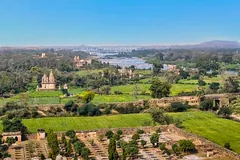
Orchha Founded on the Betwa
Orchha was founded on the Betwa river in Bundelkhand by the Bundela Rajput ruler Rudra Pratap Singh, around 1531. It bec…
- 1532 CE
Maldeo Rathore Ascends the Throne of Marwar
Rao Maldeo Rathore became ruler of Marwar in 1532, inheriting a small ancestral principality. Through long campaigns he …
- 1532 CE
Tulsidas, Poet of the Ramcharitmanas, Is Born
Tulsidas, born Rambola Dubey, is traditionally placed from about 1532 to 1623. A Ramanandi Vaishnava poet-saint devoted …
- 1535 CE
Gujarat's Army Takes Chittor in 1535
Sultan Bahadur Shah of Gujarat besieged Chittor, capital of Mewar, in two campaigns between 1533 and 1535. The fort fell…
- 1539 CE
Sher Shah Defeats Humayun at Chausa
The Battle of Chausa was fought on 26 June 1539 near Buxar in Bihar between Sher Shah Suri, an Afghan ruler, and the Mug…
- 1539 CE
Guru Aṅgad Succeeds Guru Nānak
After Guru Nānak's death in 1539, Aṅgad became the second Sikh Guru. He is remembered for formalising the Gurmukhī scrip…
- 1540 CE
Ankīyā Nāṭ Takes Shape in Assam
Ankīyā Nāṭ, one-act devotional plays centred on Kṛṣṇa, are credited to the Assamese saint Śrīmanta Śaṅkaradeva in the si…
- 1540 CE
Sher Shah Sūrī and the Sur Empire
Sher Shah Sūrī, born Farid Khan, was an Afghan general and ruler who defeated the Mughal emperor Humayun and ruled north…
 1540 CE
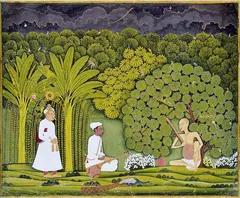
Svāmī Haridās, Dhrupad Singer and Founder of the Haridāsī Path
Svāmī Haridās was a spiritual poet and classical musician credited with many devotional compositions, especially in the …
 1541 CE
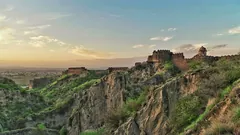
Sher Shah Begins Rohtas Fort
Rohtas Fort, begun about 1541 near Dina in Jhelum district, Punjab, was commissioned by Sher Shah Suri and supervised by…
- 1542 CE
Francis Xavier Reaches Portuguese Goa
The Jesuit missionary Francis Xavier (1506–1552) arrived in Goa in 1542 as a representative of the Portuguese crown and …
- 1542 CE
Jīva Gosvāmī Builds Gaudiya Vaishnava Theology
Jīva Gosvāmī (c. 1513–c. 1598) was a philosopher-saint of the Gaudiya Vaishnava school of Vedanta and nephew of Rūpa and…
- 1542 CE
Rama Raya Becomes Regent of Vijayanagara
From 1542 until his death at Talikota in 1565, Rama Raya was the effective ruler of Vijayanagara, governing as regent wh…
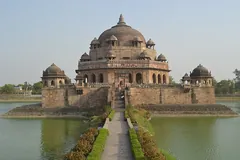 1545 CE
Sher Shah's Mausoleum Completed at Sasaram
The tomb of Sher Shah Suri at Sasaram in Bihar was finished in August 1545, a few months after his death, and rises from…
- 1550 CE
Borgeets: Songs Celestial of Śaṅkaradeva
Borgeets are lyrical devotional songs set to specific rāgas, composed by Śrīmanta Śaṅkaradeva and Mādhavadeva in the fif…
- 1550 CE
Braj Bhasha as a Literary Language
Braj Bhasha is an Indo-Aryan language of the Braj region around Mathura and Vrindavan. It was one of the two main litera…
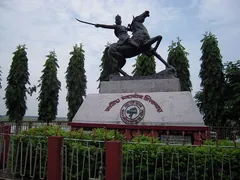 1550 CE
Chilarai, Swift General of the Koch Kingdom
Sukladhwaja, remembered as Bir Chilarai (1510 to 1571), was the commander-in-chief and finance minister of the Koch king…
- 1550 CE
The Udāsīs, Early Missionaries of the Sikh Panth
The Udāsīs are an ascetic order of northern India, also called Nanak Putras or sons of Nanak, that was among the first m…
- 1550 CE
The Jaintia Kingdom of the Pnar Hills
The Jaintia Kingdom covered parts of today's Meghalaya in India and Sylhet in Bangladesh. Its Pnar rulers belonged to th…
- 1550 CE
Manasāmaṅgal Kāvya of Bengal
The Manasāmaṅgal Kāvya is considered the earliest among the Bengali Maṅgal-kāvyas, narrative poems that record how worsh…
- 1550 CE
Sanātana Gosvāmī, Elder of the Six Goswamis
Sanātana Gosvāmī (1488 to 1558) was a leading disciple of the Bengali saint Chaitanya Mahaprabhu and the senior member o…
- 1550 CE
Vādirāja Tīrtha, Dvaita Scholar and Haridasa Poet
Vādirāja Tīrtha, traditionally dated about 1480 to 1600, was a Dvaita thinker, poet and mystic who headed the Sodhe Math…
- 1550 CE
Vijñānabhikṣu Reconciles Vedānta, Yoga and Sāṃkhya
Vijñānabhikṣu was a Hindu philosopher from Bihar, dated variously to the fifteenth or sixteenth century. Known for comme…
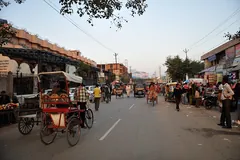 1550 CE
Vrindavan Revived as Krishna's Sacred Grove
Vrindavan, in Mathura district of Uttar Pradesh, is believed by Hindus to be where Krishna spent most of his childhood. …
- 1552 CE
Guru Amar Das Becomes the Third Sikh Guru
On 26 March 1552, at the age of seventy-three, Amar Das was appointed third Guru of the Sikhs by Guru Aṅgad. He became a…
- 1554 CE
Naranarayan Brings the Koch Kingdom to Its Height
Naranarayan ruled the Koch kingdom from 1554 to 1587, the last king of the undivided dynasty. With his brother Chilarai …
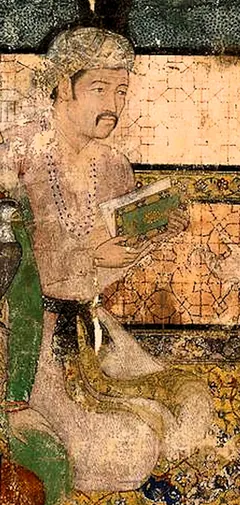 1556 CE
Reign of Akbar
Akbar, the third Mughal emperor, ruled from 1556 to 1605. Beginning under the regency of Bairam Khan, he expanded the em…
- 1556 CE
Bairam Khan Guides the Young Akbar
Bairam Khan, a veteran Mughal commander, served as regent when the thirteen-year-old Akbar became emperor in 1556. He le…
- 1556 CE
Hemu Declares Himself Vikramāditya in Delhi
Hemu, a general and minister of the Sur ruler Adil Shah, defeated Mughal forces at Delhi on 7 October 1556 and took the …
- 1556 CE
The First Printing Press in Asia Arrives at Goa
In 1556 Jesuits at St Paul's College in Old Goa set up what is recorded as the earliest mechanical press with movable ty…
 1556 CE
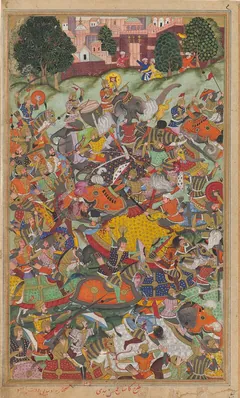
Second Battle of Panipat
On 5 November 1556 the forces of the young Mughal emperor Akbar, guided by his regent Bairam Khān, met the army of Hemu …
 1558 CE
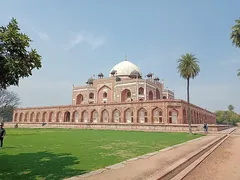
Humayun's Tomb, Delhi
Humayun's Tomb in Delhi, commissioned in 1558 by the emperor's widow Bega Begum and designed by Persian architects, was …
- 1559 CE
Udai Singh II Founds the City of Udaipur
Udaipur in Rajasthan was founded in 1559 by Maharana Udai Singh II, a Sisodia Rajput, who moved his capital there from C…
- 1560 CE
The Goa Inquisition Begins
The Goa Inquisition, an arm of the Portuguese Inquisition in Portuguese India, was established in 1560 and based in Goa.…
 1560 CE
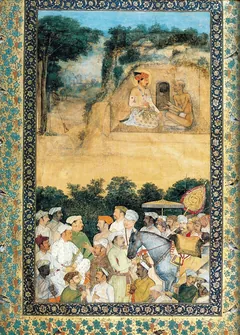
Mughal Painting Emerges at Court
Mughal painting is a style of miniature, made for book illustrations and album pages, that developed under the Mughal em…
- 1562 CE
Raja Birbal Joins Akbar's Court
Born Mahesh Dās in 1528, Birbal entered the Mughal court between 1556 and 1562 and became one of Akbar's chief advisers …
 1562 CE
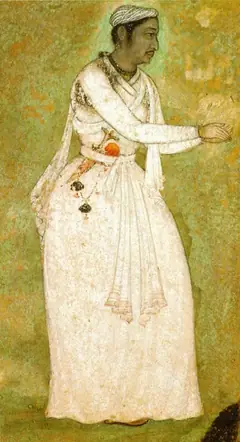
Tānsen Joins Akbar's Court
Tānsen, born Rāmtanu in Gwalior around 1493, was a towering figure of Hindustani music. After serving Raja Man Singh Tom…
- 1564 CE
Rānī Durgāvatī Defends Gondwana Against the Mughals
Born in 1524, Rānī Durgāvatī governed Gondwana in the name of her young son Vīr Nārāyaṇ from 1550 and died fighting the …
- 1565 CE
Akbar Rebuilds Agra Fort in Red Sandstone
Between 1565 and 1573, the Mughal emperor Akbar rebuilt an older brick fort at Agra in red sandstone. It served as the m…
- 1565 CE
Talikota, the Battle That Broke Vijayanagara
At Talikota, also called Rakṣasi-Taṅgaḍi, on 23 January 1565, an alliance of the Deccan sultanates defeated Vijayanagara…
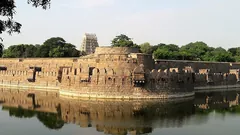 1566 CE
Vellore Fort Raised Under the Vijayanagara Nayakas
Vellore Fort in Tamil Nadu was built in the sixteenth century by the Vijayanagara nayakas Chinna Bomma Reddy and Timma R…
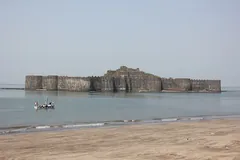 1567 CE
Murud-Janjira, the Sea Fort of the Sidis
Murud-Janjira is a fort on an island off Murud in Raigad district, Maharashtra. Malik Ambar is credited with building it…
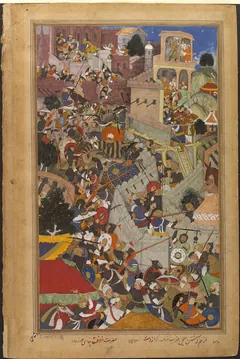 1567 CE
Akbar Besieges and Takes Chittorgarh
Between October 1567 and February 1568 Akbar's Mughal army besieged the Sisodia fort of Chittorgarh in Mewar. After mont…
- 1568 CE
Kalapahar Leads Bengal's Campaign into Odisha
Kalapahar, a general of the Karrani sultans of Bengal, who died in the 1570s, took part in the Bengal Sultanate's conque…
- 1568 CE
Mādhavadeva Succeeds Śaṅkaradeva
After the death of Śrīmanta Śaṅkaradeva in 1568, his leading disciple Mādhavadeva became the religious and artistic heir…
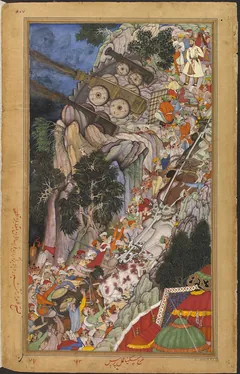 1568 CE
Akbar Besieges Ranthambore Fort
On 8 February 1568 Akbar led a Mughal army of over 50,000 against Ranthambore, the one great fortress still outside his …
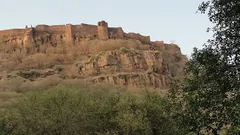 1569 CE
Akbar Captures Ranthambore Fort
Ranthambore Fort in Rajasthan, said to have been founded by the Chauhan king Sapaldaksha in the tenth century, was long …
- 1570 CE
The Aravidu Dynasty Rebuilds Vijayanagara
After Talikota, the Aravidu dynasty became the fourth and last ruling house of Vijayanagara. Founded by Tirumala Deva Ra…
- 1570 CE
Habba Khatoon, Nightingale of Kashmir
Habba Khatoon, born Zoon, was a Kashmiri poet and ascetic of the sixteenth century, remembered as the Nightingale of Kas…
- 1570 CE
The Mansabdari System of Mughal Ranks
The mansabdari system gave Mughal officers numerical ranks that set their status, salary and cavalry obligations. Associ…
- 1570 CE
Madhavdeva Composes the Nām Ghoṣā
The Nām Ghoṣā, also called Hājari Ghoṣā, is a Vaishnava scripture by Madhavdeva, chief disciple of Sankardeva, who began…
- 1570 CE
Rāṇī Abbakka Resists the Portuguese at Ullal
Rāṇī Abbakka Cauta, the first Tuluva queen of Ullal on Karnataka's coast, repelled repeated Portuguese attacks for more …
 1571 CE
Akbar founds Fatehpur Sikri
Fatehpur Sikri, near Agra, was built by the Mughal emperor Akbar on the site of Sikri village, where the Sufi Shaikh Sal…
- 1572 CE
Akbar Annexes the Sultanate of Gujarat
In 1572 a Gujarati noble invited the Mughal emperor Akbar to step into a weakened sultanate whose last rulers were young…
- 1573 CE
Buland Darwaza, Akbar's Gate of Victory
The Buland Darwaza, the 'Exalted Gate', was begun in 1573 by the Mughal emperor Akbar to mark his conquest of Gujarat. T…
- 1574 CE
Guru Ram Das Becomes the Fourth Sikh Guru
Guru Ram Das, born Jethā in 1534 to a Lahore family, was orphaned at seven and became a devoted servant of Guru Amar Das…
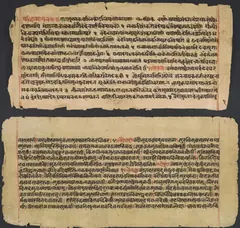 1574 CE
Tulsīdās Composes the Rāmcaritmānas
The Rāmcaritmānas, 'Lake of the Deeds of Rāma', is an epic poem in Awadhi by the bhakti poet Tulsīdās, traditionally sai…
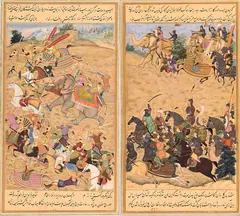 1575 CE
Battle of Tukaroi Breaks Bengal's Sultanate
A Mughal army defeated the Bengal Sultanate on 3 March 1575 at Tukaroi, in today's Balasore district of Odisha. The clas…
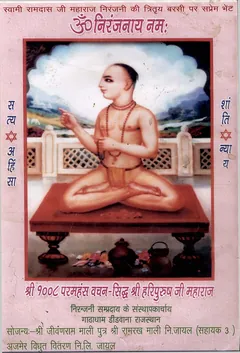 1575 CE
Haridas Niranjani and the Niranjani Sampraday
Haridās Nirañjanī was a nirguṇa saint-poet of Rajasthan, founder of the Nirañjanī Sampradāy, who taught a bhakti combini…
 1575 CE
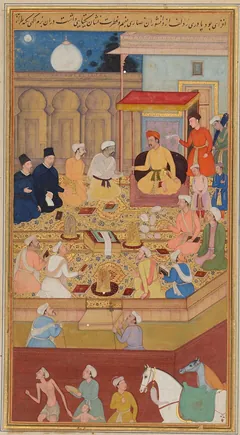
Akbar's Ibādat Khāna at Fatehpur Sikri
In 1575 the Mughal emperor Akbar had the Ibādat Khāna, or House of Worship, built at Fatehpur Sikri. At first it hosted …
- 1576 CE
Baro-Bhuyan Confederacies Resist the Mughals
The Baro-Bhuyans were loose confederacies of warrior-landholders in Assam and Bengal. They rose to prominence in Assam i…
 1576 CE
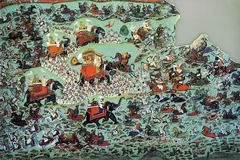
Battle of Haldighati
On 18 June 1576 the forces of Mahārāṇā Pratāp of Mewar met a Mughal army under Mān Singh I of Amber in a narrow pass nea…
 1577 CE
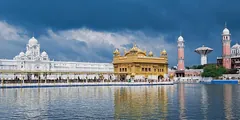
Amritsar Takes Shape Around the Sacred Pool
Amritsar, now the second-largest city of Punjab, traces its beginnings to the 1570s, when the Sikh Gurus developed a sac…
- 1578 CE
Yusuf Shah Chak, Sultan of Kashmir
Yusuf Shah Chak was the fourth Chak sultan in Kashmir, ruling for a first term in 1578 and 1579, then again between 1580…
- 1580 CE
Appayya Dīkṣita, Polymath of Śaiva Advaita
Appayya Dīkṣita (1520 to 1593) was a South Indian philosopher and polymath, remembered as an Advaita teacher but rooted …
- 1580 CE
Tulsidas Composes the Hanuman Chalisa
The Hanuman Chalisa, 'forty chaupais on Hanuman', is a devotional hymn in Awadhi attributed to Tulsidas and recited regu…
- 1580 CE
Isa Khan Rallies the Bhuyans Against Mughal Bengal
Isa Khan, a sixteenth-century chieftain of the Baro-Bhuyan group of landlords in Bengal, united the region's local leade…
- 1580 CE
Kīrtan Flourishes in Bengal Vaiṣṇavism
Kīrtan, meaning narrating or recounting, is a call-and-response style of devotional singing in which singers recite divi…
- 1580 CE
Madhusūdana Sarasvatī Defends Advaita in the Advaitasiddhi
Madhusūdana Sarasvatī, an Advaita Vedānta philosopher and devotee of Kṛṣṇa who lived into the late sixteenth century, wr…
- 1580 CE
Narottama Dāsa Carries Gauḍīya Bhakti Across Bengal
Narottama Dāsa Ṭhākura, a Gauḍīya Vaiṣṇava saint born into a royal family of present-day Bangladesh, travelled to Vṛndāv…
- 1580 CE
Poonthanam Nambudiri Sings the Jnanappana
Poonthanam Nambudiri (1547–1640), a devotee of Guruvayurappan from Keezhattoor in Kerala, wrote the Malayalam Jnanappana…
- 1580 CE
Todar Mal and the Mughal Revenue Settlement
Todar Mal served Akbar as finance minister and counsellor, and he rose to be one of the empire's most trusted nobles. He…
- 1580 CE
Śrīnivāsa Ācārya Carries Gosvāmī Texts to Bengal
The Vaiṣṇava teacher Śrīnivāsa Ācārya, a pupil of Jīva Gosvāmī, is remembered for taking the Vrindavan Gosvāmīs' devotio…
- 1581 CE
Koch Hajo Splits From Kamata
Koch Hajo was a kingdom on the north bank of the Brahmaputra, formed in 1581 when the Koch realm of Nara Narayan was div…
- 1582 CE
Akbar's Dīn-i Ilāhī
Dīn-i Ilāhī, the 'Divine Faith', also called Tawḥīd-i Ilāhī, was a syncretic creed put forward by the Mughal emperor Akb…
- 1584 CE
Akbar's Court Translates the Mahabharata as the Razmnama
Commissioned by Akbar, the Razmnama is a Persian translation of the Mahabharata, produced after he opened a Maktab Khana…
- 1585 CE
Nabhadas Composes the Bhaktamāl
Nabha Dass, born Nārāyaṇ Dās, was a Rāmānandī saint and author of the Bhaktamāl, written in 1585. In it he set down the …
- 1586 CE
Melpathur Narayana Bhattathiri Composes the Nārāyaṇīyam
The Nārāyaṇīyam is a Sanskrit poem by the Kerala poet Melpathur Narayana Bhattathiri that condenses the Bhagavata Purana…
- 1587 CE
Koch Bihar Emerges After the Kamata Split
Koch Bihar became a separate kingdom after the Koch dynasty's Kamata realm divided when Nara Narayan died in 1586. The A…
 1589 CE
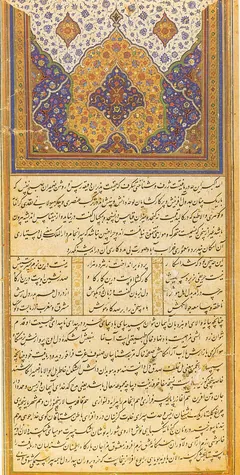
Abū'l-Faḍl Completes the Akbarnāma
The Akbarnāma is the official Persian chronicle of the reign of the Mughal emperor Akbar, commissioned by him and writte…
- 1589 CE
Rāja Man Singh I of Amber, Mughal General and Governor
Man Singh I was the twenty-fourth Kachwāhā king of Amber, reigning from 1589 to 1614. A leading commander under Akbar, h…
- 1590 CE
Abu'l-Faẓl, Chronicler of Akbar's Court
Abu'l-Faẓl ibn Mubārak, who lived from 1551 to 1602, was a historian and statesman who served as Akbar's grand vizier fr…
- 1590 CE
Faizi, Poet of Akbar's Court, Dies in 1595
Faizi, born in 1547, was a Persian-language poet and scholar and the elder brother of Akbar's historian Abū'l-Faẓl. Akba…
- 1590 CE
Kṛṣṇadāsa Kavirāja Writes the Caitanya Caritāmṛta
Kṛṣṇadāsa Kavirāja, who lived roughly from 1528 to about 1615, composed the Caitanya Caritāmṛta, a major biography of th…
- 1590 CE
Momai Tamuli Borbarua, First Borbarua of the Ahom Kingdom
Momai Tamuli Borbarua, also known as Chiring Phiseng, was an Ahom general and statesman, and the first holder of the hig…
- 1590 CE
Mukundarām Chakravartī Composes the Caṇḍīmaṅgal
Mukundarām Chakravartī, honoured as Kabikaṅkaṇ, was a sixteenth-century Bengali poet best known for the Caṇḍīmaṅgal, one…
 1590 CE
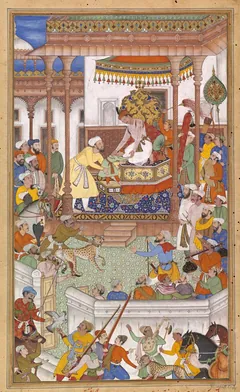
Rahim Khan-i-Khanan, Poet of the Dohas
Abdul Rahim, titled Khan-i-Khanan and known simply as Rahim, lived from 1556 to 1627. A poet and one of the nine celebra…
 1591 CE
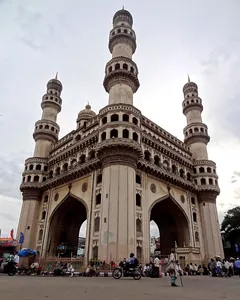
The Charminar Raised in Hyderabad
The Charminar, 'four minarets', was built in 1591 in Hyderabad and became the city's emblem and part of Telangana's offi…
 1592 CE
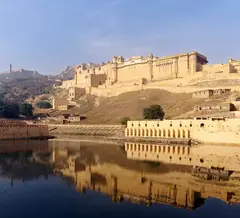
Amer Fort and Palace
Amer Fort, set on a hill about 11 km from Jaipur in Rajasthan, is a fortified palace of the Kachhwaha Rajput rulers whos…
- 1595 CE
Bihārī Lāl and the Satasaī of Braj
Bihārī Lāl, who lived from 1595 to 1663, was a Hindi poet famed for the Satasaī, about seven hundred couplets in Brajbhā…
 1595 CE
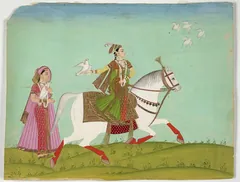
Chānd Bībī Defends Ahmadnagar Against Akbar's Army
Chānd Bībī, regent of Bijāpur in the 1580s and later of Ahmadnagar, led the defence of Ahmadnagar when Akbar's Mughal fo…
 1596 CE
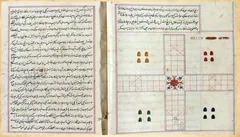
The Āʾīn-i Akbarī Records Akbar's Administration
The Āʾīn-i Akbarī, written in Persian by the court historian Abu'l Fazl between 1589 and 1596, is a detailed account of …
- 1600 CE
Akharas, Monastic and Martial Orders of Ascetics
An akhara is a place of practice with lodging and training, used both for martial arts and for monastic orders of renunc…
- 1600 CE
Bhaṭṭoji Dīkṣita and the Siddhāntakaumudī
Bhaṭṭoji Dīkṣita, a Brahmin scholar who settled in Varanasi, was a leading Sanskrit grammarian of the seventeenth centur…
- 1600 CE
Bishnupur's Terracotta Temples Under the Mallas
Bishnupur in West Bengal's Bankura district is known for terracotta temples raised by the Malla rulers, notably Rādhā-Kṛ…
 1600 CE
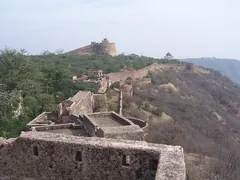
Taragarh Fort Crowns the Hills of Bundi
Taragarh Fort stands on a steep Aravalli hill above Bundi in Rajasthan, home of the Hāḍā Chauhan Rajput rulers. Its arch…
 1600 CE
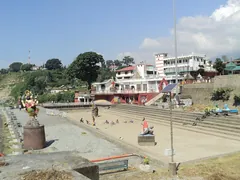
Chamunda Devi Temple in Kangra
The Chāmuṇḍā Devī temple, also known as Chāmuṇḍā Nandikeśvar Dhām, stands near Palampur in Kangra district, Himachal Pra…
- 1600 CE
The Char Dham Pilgrimage Circuit
The Char Dham, or four abodes, comprises four Hindu pilgrimage sites: Badrinath, Dwarka, Puri and Rameswaram. Tradition …
- 1600 CE
Deccan Sultanate Painting Flourishes
After the Bahmani Sultanate broke apart by 1520, courts at Bijapur, Golkonda, Ahmadnagar and elsewhere sponsored a disti…
 1600 CE
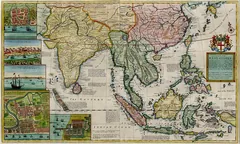
The East India Company Receives Its Royal Charter
In 1600 Queen Elizabeth I granted a charter to a London joint-stock company for trade with the East Indies. The East Ind…
 1600 CE
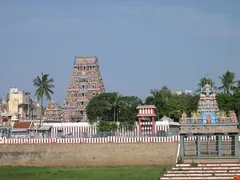
Kapaleeshwarar Temple Rises in Mylapore
The Kapaleeshwarar Temple in Mylapore, Chennai, is a Śiva shrine whose present Dravidian structure is generally dated to…
 1600 CE
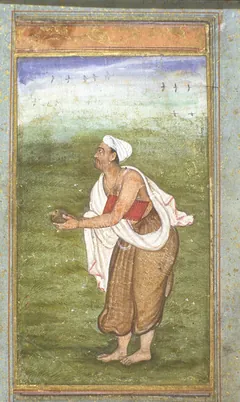
Keśavdās Writes the Rasikpriyā
Keśavdās Miśra (1555 to 1617) was a Hindi poet, scholar and administrator under the patronage of Vīr Siṃh Deo of Orchha,…
 1600 CE
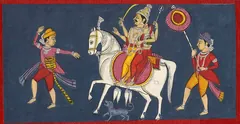
Khandobā, the Family God of the Deccan
Khandobā, also called Mārtaṇḍa Bhairava and Malhāri, is a Deccan deity regarded as a form of Śiva and is the most popula…
 1600 CE
Kondapalli Wooden Toys of Andhra Pradesh
Kondapalli toys are hand-crafted wooden figures made in the village of Kondapalli in Krishna district, Andhra Pradesh. T…
 1600 CE
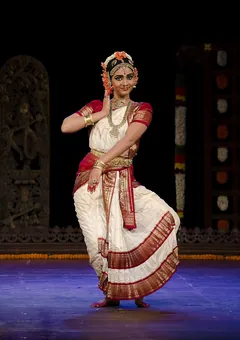
Kuchipudi, the Dance-Drama of Andhra
Kuchipudi, one of India's eight classical dance forms, arose in the village of Kuchipudi in Andhra Pradesh as a dance-dr…
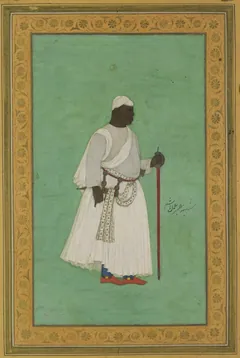 1600 CE
Malik Ambar Takes Charge of Ahmadnagar
Malik Ambar, an Ethiopian-born former slave, became prime minister and de facto ruler of the Ahmadnagar Sultanate from 1…
- 1600 CE
Mangal-Kāvya, Bengali Poems for Local Deities
Mangal-Kāvya is a group of Bengali religious poems composed roughly between the thirteenth and eighteenth centuries. The…
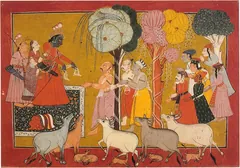 1600 CE
Rajput Painting in the Mughal Age
Rajput painting is the art of regional Hindu courts under the Mughals, from about the late sixteenth to the mid-nineteen…
- 1600 CE
Pratapaditya of Jessore Resists the Mughals
Pratapaditya, ruler of the Jessore kingdom in southern Bengal, was among the strongest chiefs of the Baro-Bhuiyan allian…
- 1600 CE
Ragamala Paintings Picture the Musical Modes
Ragamala paintings are miniature pictures that illustrate the Garland of Ragas, giving each musical mode a colour, mood …
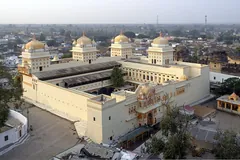 1600 CE
Ram Raja Temple of Orchha
The Ram Raja Temple at Orchha in Madhya Pradesh is distinctive in treating Rāma as a king. He is shown seated in a Padmā…
- 1600 CE
The Siddis, an African Community in India
The Siddis, also called Sheedi or Habshi, are a community in India and Pakistan descended mainly from Bantu-speaking peo…
- 1600 CE
Tarapith, Tantric Goddess Shrine of Birbhum
Tarapith in Birbhum district, West Bengal, is a Hindu pilgrimage town known for its Tantric temple of the goddess Tārā a…
- 1600 CE
The Vārkarī Tradition and the Pilgrimage to Pandharpur
The Vārkarī sampradāya is a devotional movement of Maharashtra whose members worship Kṛṣṇa as Viṭṭhala at Pandharpur, wi…
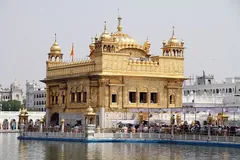 1604 CE
Ādi Granth Installed at Harmandir Sahib
In 1604 Guru Arjan, fifth Sikh Guru, installed the Ādi Granth in the Harmandir Sahib at Amritsar, the shrine now known a…
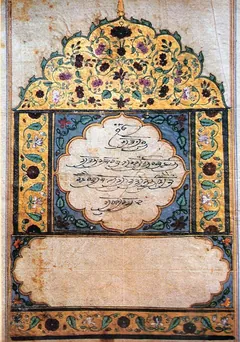 1604 CE
Compilation of the Ādi Granth
In 1604 Guru Arjan, the fifth Sikh Guru, completed the Ādi Granth and installed it at the Harmandir Sahib in Amritsar. L…
- 1605 CE
Bir Singh Deo Rules Orchha
Bir Singh Deo, a Bundela Rajput chief, ruled the kingdom of Orchha in Bundelkhand from 1605 until 1626 or 1627 as a Mugh…
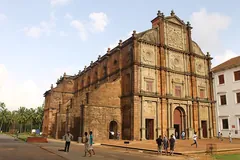 1605 CE
Basilica of Bom Jesus Is Consecrated in Old Goa
The Basilica of Bom Jesus in Old Goa, former capital of Portuguese India, was completed around 1605 and holds the remain…
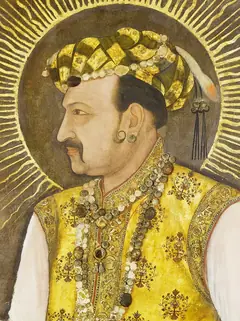 1605 CE
Jahāngīr ascends the Mughal throne
In November 1605 Prince Salīm, eldest surviving son of Akbar, succeeded his father as the fourth Mughal emperor, taking …
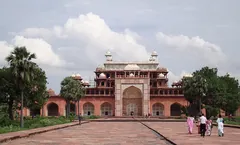 1605 CE
Jahāngīr Completes Akbar's Tomb at Sikandra
Akbar's mausoleum at Sikandra, near Agra, was built between 1605 and 1613 by his son Jahāngīr. Set in extensive grounds …
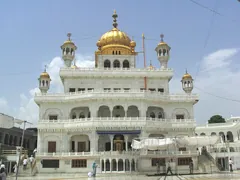 1606 CE
Guru Hargobind Establishes the Akal Takht at Amritsar
The Akal Takht, meaning Throne of the Timeless, was established in 1606 by Guru Hargobind within the Golden Temple compl…
- 1606 CE
Guru Arjan Compiles the Ādi Granth and Is Martyred
Guru Arjan, the fifth Sikh Guru (1563 to 1606), compiled the first edition of the Ādi Granth, completed the Darbār Sāhib…
- 1606 CE
Guru Hargobind Takes the Two Swords of Mīrī and Pīrī
Guru Hargobind, born in 1595, became the sixth Sikh Guru at eleven, after Mughal emperor Jahāngīr executed his father Gu…
- 1608 CE
Tukārām, Poet-Saint of the Vārkarī Path
Tukārām was a seventeenth-century Marathi saint of the Vārkarī tradition and a devotee of Viṭhobā, a form of Viṣṇu worsh…
- 1610 CE
Mysuru Dasara Becomes a Royal Festival
Mysuru's Dasara, a ten-day festival of nine nights of Navaratri ending in Vijayadashami, marks the triumph of righteousn…
- 1610 CE
The Wodeyars Declare Independence at Srirangapatna
The Wodeyar, or Wadiyar, dynasty ruled Mysore from the late fourteenth century until 1950. Originally poleygars under Vi…
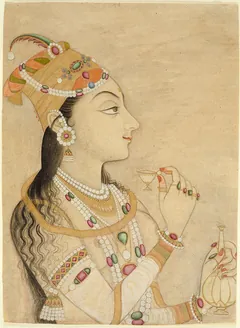 1611 CE
Nūr Jahān, Empress of Jahāngīr
Nūr Jahān, born Mihr-un-Nisā, married the Mughal emperor Jahāngīr in 1611 and became his twentieth wife and chief consor…
- 1615 CE
Sir Thomas Roe at the Court of Jahāngīr
Sir Thomas Roe, an English diplomat, reached the Mughal court in 1615 as ambassador of James I to the emperor Jahāngīr. …
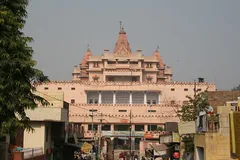 1618 CE
Keśavadeva Temple Rebuilt at Mathura
Mathura's Keśavadeva temple stood at a site revered as Kṛṣṇa's birthplace. Veer Singh Deo Bundela built a grand temple t…
- 1619 CE
Jahangir Lays Out Shalimar Bagh Beside Dal Lake
In 1619 the Mughal emperor Jahangir built the Shalimar Bagh on the northeastern shore of Dal Lake in Srinagar. Also call…
- 1621 CE
Raghavendra Tīrtha Heads the Kumbakonam Matha
Raghavendra Tīrtha (c. 1595–c. 1671), a Dvaita scholar and saint, was pontiff at Kumbakonam from 1621 to 1671. Known as …
- 1622 CE
The Tomb of Iʿtimād-ud-Daula at Agra
The Tomb of Iʿtimād-ud-Daula in Agra, raised between 1622 and 1628 on the orders of Empress Nūr Jahān as a memorial to h…
- 1624 CE
Koneswaram Temple of Trincomalee Destroyed by the Portuguese
The Koneswaram Temple, the Śiva shrine on the promontory at Trincomalee in Sri Lanka, was the most sacred of the island'…
- 1628 CE
Bahiṇābāī, Varkarī Poet and Disciple of Tukārām
Bahiṇābāī, who lived from 1628 to 1700, was a Varkarī woman saint of Maharashtra and a disciple of Tukārām. Her autobiog…
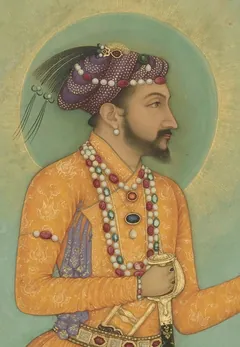 1628 CE
Reign of Shah Jahan
Shah Jahan, born Khurram, reigned as the fifth Mughal emperor from 1628 until 1658. His rule is regarded as the high poi…
 1630 CE
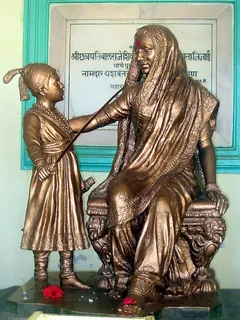
Jijabai, Mother and Mentor of Shivaji
Jijabai, born in 1598 into the Jadhav family descended from the Devagiri Yādavas, gave birth to Chhatrapati Shivaji Mahā…
- 1631 CE
Shah Jahan Carves Kota Out of Bundi for Madho Singh
In 1631 Emperor Shah Jahan split the Hada Chauhan kingdom of Bundi and made Rao Madho Singh ruler of a separate state at…
- 1631 CE
Mumtaz Mahal Dies and the Taj Mahal Is Conceived
Mumtaz Mahal, born Arjumand Bānū Begum in 1593, was empress of the Mughal Empire from 1628 and chief consort of Shāh Jah…
- 1632 CE
Shāhājī Bhoṃsale Joins Bijāpur and Anchors Maratha Power
Shāhājī Bhoṃsale was a seventeenth-century general who served the Ahmadnagar, Bijāpur and Mughal rulers in turn. After d…
 1632 CE
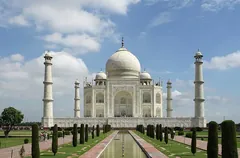
Building of the Taj Mahal
The Taj Mahal at Agra, a white marble tomb beside the Yamuna, was commissioned by the Mughal emperor Shāh Jahān in 1631 …
- 1633 CE
Nishat Bagh, Garden of Delight on the Dal Lake
Nishat Bagh, meaning Garden of Joy, is a terraced Mughal garden above the eastern edge of Dal Lake near Srinagar. Laid o…
- 1635 CE
The Peacock Throne of Shah Jahan
Shah Jahan commissioned the Peacock Throne in the early seventeenth century as the imperial seat of the Mughal emperors,…
- 1639 CE
Fort St. George Founded at Madras
Founded in 1639 on the Coromandel coast, Fort St. George at Madras was the earliest English and later British fortress i…
 1639 CE
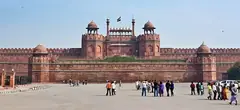
Shah Jahan's Red Fort at Delhi
The Red Fort (Lāl Qilā) in Delhi was commissioned by Shah Jahan in 1639 when he moved the Mughal capital from Agra and w…
- 1640 CE
Kshetrayya Perfects the Telugu Padam
Kshetrayya (c. 1600–1680), a wandering Telugu poet-composer from Movva in present-day Andhra Pradesh, is credited with o…
- 1640 CE
Tirumala Nāyaka, Builder of Madurai
Tirumala Nāyaka ruled the Madurai Nāyaka kingdom from 1623 until 1659. He defended his territory against the Bijapur Sul…
 1641 CE
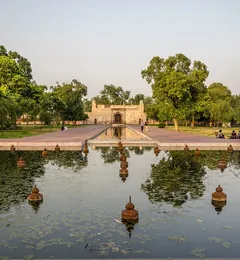
Shah Jahan Lays Out the Shalamar Gardens of Lahore
The Shalamar Gardens in Lahore, a Mughal complex laid out on the Charbagh plan, were begun in 1641 under Shah Jahan and …
- 1645 CE
Shivaji's Oath at Raireshwar
Raireshwar, a Maratha fort near Pune in the Bhor area, is the place where, according to tradition, the young Shivaji and…
- 1646 CE
Shivaji Captures Torna Fort
Torna Fort, also called Prachandagad, is a hill-fort in Pune district and the first fort taken by Shivaji, in 1646, when…
- 1647 CE
Rajgad Becomes Shivaji's First Capital
Rajgad, the Sahyadri hill fort southwest of Pune, served as the first capital of Shivaji's Maratha polity for about twen…
- 1648 CE
Shivaji Takes the Hill Fort of Lohagad
Lohagad is a hill fort rising about 1,033 metres near Lonavala in Maharashtra. Shivaji captured it in 1648, and apart fr…
- 1650 CE
Annambhaṭṭa Writes the Tarkasaṅgraha
The Tarkasaṅgraha is a short Sanskrit primer on Indian logic by Annambhaṭṭa, who also wrote a commentary, the Dīpikā, in…
- 1650 CE
Dārā Shikōh, the Prince Who Read the Upaniṣads
Dārā Shikōh, eldest son of Shah Jahan, was a scholar-prince drawn to Sufism and Vedānta. He lost the succession war of 1…
- 1650 CE
Jagannātha Paṇḍitarāja, Poet and Theorist at Shah Jahan's Court
Jagannātha Paṇḍitarāja (1590–1670), a Telugu Brahmin, was a poet, musician and literary critic of the seventeenth centur…
- 1650 CE
Majuli, the River Island of Assamese Neo-Vaishnavism
Majuli is Assam's largest river island, held between the Brahmaputra and Subansiri rivers. Home to Mising, Deori and Son…
- 1650 CE
Samarth Rāmdās, Saint and Poet of Rāma and Hanumān
Samarth Rāmdās, who lived from about 1608 to about 1682, was a Hindu saint, philosopher, poet and mystic devoted to Rāma…
- 1650 CE
The Sarasvatī Vīṇā of the Carnatic Tradition
The Sarasvatī vīṇā is an ancient plucked lute of India, named for the goddess Sarasvatī and used chiefly in Carnatic mus…
- 1651 CE
Jagdish Temple Consecrated in Udaipur
The Jagdish Temple, a large Hindu temple beside the royal palace in the heart of Udaipur, has been in continuous worship…
- 1653 CE
Shivaji Rebuilds Vijaydurg, the 'Eastern Gibraltar'
Vijaydurg, the earliest fort along the Sindhudurg coast, was first built under the Shilahara king Bhoja II in the late t…
- 1654 CE
Samarth Rāmadās Narrates the Dāsbodh
The Dāsbodh, a Marathi work of devotion and practical wisdom, was narrated by Samarth Rāmadās to his disciple Kalyāṇ Svā…
- 1655 CE
Keshto Ray Temple Built at Bishnupur
The Keshto Ray or Jor-Bangla temple at Bishnupur, founded by the Malla king Raghunath Singha in 1655, is the largest sur…
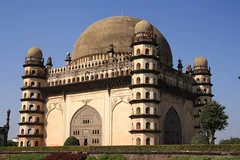 1656 CE
Gol Gumbaz, the Great Dome of Bijapur
Gol Gumbaz in Bijapur, Karnataka, is the basalt mausoleum of Muhammad Adil Shah, seventh ruler of the Bijapur Sultanate.…
- 1656 CE
The Jama Masjid of Shāhjahānābād
The Jāmiʿ Masjid of Old Delhi, built by Shāh Jahān between 1644 and 1656, served as the imperial mosque of the Mughals u…
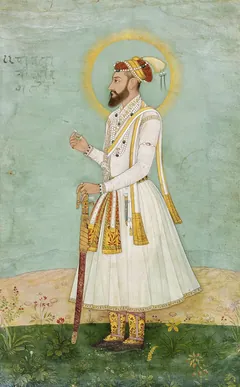 1658 CE
Accession of Aurangzeb
Aurangzeb, titled Ālamgīr, became the sixth Mughal emperor in 1658 after a war of succession against his brothers and re…
- 1658 CE
Aurangzeb Defeats Jaswant Singh at Dharmat
On 15 April 1658, during the Mughal war of succession, Aurangzeb defeated the Rathore ruler Jaswant Singh, who was fight…
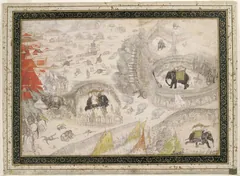 1658 CE
Aurangzeb Defeats Dārā Shikoh at Sāmūgaṛh
The Battle of Sāmūgaṛh, fought on 29 May 1658, was a decisive clash in the Mughal war of succession among Shah Jahān's s…
- 1659 CE
Shivaji and Afzal Khan at Pratapgad
On 10 November 1659, Maratha forces under Shivaji defeated a Bijapur army led by Afzal Khan at Pratapgad in Satara. It w…
- 1659 CE
Shivaji Founds the Maratha Navy
In the 1650s Chhatrapati Shivaji began building a navy to protect the western coast's trade and to counter Portuguese se…
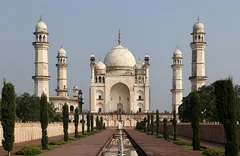 1660 CE
Bibi Ka Maqbara, the Taj of the Deccan
The Bibi Ka Maqbara in Aurangabad was commissioned about 1660 by Prince Āzam Shāh in memory of his mother Dilrās Bānū Be…
- 1662 CE
Mir Jumla Marches Against Assam
Mir Jumla II, a wealthy diamond merchant who rose from the Golconda court to become Mughal governor of Bengal under Aura…
- 1663 CE
Shivaji's Night Raid on Shaista Khan at Pune
In April 1663 Shivaji raided the Pune residence of Shaista Khan, Aurangzeb's maternal uncle and Mughal governor of the D…
- 1664 CE
Shivaji's Sack of Surat
In January 1664 Shivaji, head of the young Maratha polity, attacked the wealthy Mughal port of Surat, defeating the Mugh…
- 1664 CE
Shivaji Builds the Sea Fort of Sindhudurg
Chhatrapati Shivaji ordered the building of Sindhudurg, an island fort in the Arabian Sea off Malvan, between 1664 and 1…
 1665 CE
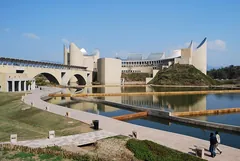
Anandpur Sahib, the City of Bliss, Is Founded
Anandpur Sahib, 'city of bliss', stands in Punjab near the Sutlej at the edge of the Śivālik hills and was founded in 16…
- 1665 CE
Purandar Fort and the Treaty of 1665
Purandar Fort, a mountain stronghold at 1,374 metres in the Western Ghats near Pune, was besieged by a Mughal army under…
- 1669 CE
Gokula Leads the Jat Uprising near Mathura
In 1669 Gokula, a Jat landholder of the Mathura region, raised thousands of peasant fighters against Mughal rule under A…
- 1670 CE
Jagjivan Das and the Satnami Devotion of Barabanki
Jagjivan Das (c. 1670-1761?), a poet-saint of the Barabanki region in Uttar Pradesh, founded a Satnami community focused…
 1670 CE
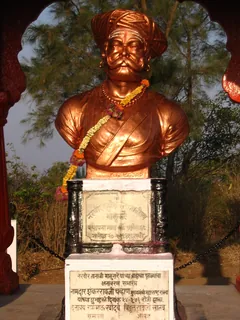
Tānājī Mālusare Falls at Sinhagaḍ
Tānājī Mālusare, a commander and companion of Shivaji, died in 1670 during the Maratha assault on the fort of Sinhagaḍ. …
 1671 CE
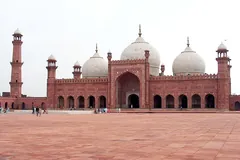
Aurangzeb's Bādshāhī Mosque Rises in Lahore
The Bādshāhī Mosque of Lahore, built between 1671 and 1673 by Aurangzeb opposite the Lahore Fort, is among the great Mug…
- 1671 CE
Lachit Borphukan Holds the Brahmaputra at Saraighat
In 1671 the Ahom kingdom under Lachit Borphukan defeated a Mughal force led by Rām Siṃha I in a naval battle on the Brah…
- 1671 CE
Lachit Borphukan Wins the Battle of Saraighat
Lachit Borphukan, commander of the Ahom army, led the naval victory at Saraighat in 1671 that turned back a far larger M…
- 1672 CE
Shrinathji Arrives at Nathdwara
In 1672 the image of Shrinathji, a form of Kṛṣṇa as a seven-year-old child, was moved from Govardhan hill near Mathurā t…
- 1672 CE
Pichwai Paintings Hang Behind Shrinathji
Pichwais are large painted cloth hangings portraying the life of Kṛṣṇa, made for Pushtimarg temples and above all for th…
- 1672 CE
Śrīnāthjī Is Installed at Nathdwara
Śrīnāthjī is the form of Kṛṣṇa as a seven-year-old child, worshipped at the heart of the Puṣṭimārga founded by Vallabhāc…
- 1673 CE
Shivaji Captures Panhala, the Fort of Snakes
Panhala Fort, near Kolhapur in Maharashtra, commands a Western Ghats pass on the route from Bijapur to the coast. Shivaj…
- 1674 CE
Gaga Bhatta Officiates at Shivaji's Coronation
Gaga Bhatta, the Varanasi scholar Viśveśvara Paṇḍita (1600–1685), presided over the Brahminical committees convened by S…
- 1674 CE
Bhadrachala Ramadasu Builds the Sita Rama Temple
Kancherla Gopanna, remembered as Bhadrachala Ramadasu, was a seventeenth-century Telugu devotee of Rama and composer of …
- 1674 CE
The Maratha Empire Takes Shape Under Shivaji
The Maratha Empire grew from the Marathi-speaking warriors of the western Deccan, who under Shivaji in the seventeenth c…
 1674 CE
Raigad Becomes the Capital of Shivaji's Swarajya
Raigad, a hill fort in Maharashtra near Mahad, was fortified and developed under Shivaji and his engineer Hiroji Indulka…
 1674 CE
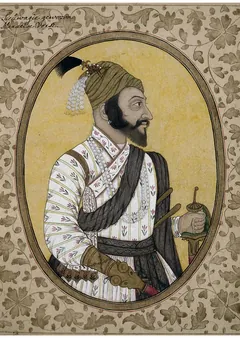
Coronation of Shivaji at Raigad
In 1674 Shivaji Bhonsle was formally crowned Chhatrapati at Raigad Fort, marking the establishment of the Maratha kingdo…
 1675 CE
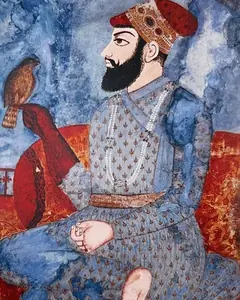
Martyrdom of Guru Tegh Bahadur
Guru Tegh Bahadur, the ninth Sikh Guru, led the Sikh community from 1664 until he was executed in Delhi on the orders of…
- 1675 CE
Ekoji Founds the Thanjavur Maratha Kingdom
The Thanjavur Maratha kingdom was a South Indian monarchy of the Bhonsle dynasty whose rule over the Kaveri delta lasted…
- 1676 CE
Ekoji Establishes Maratha Rule at Thanjavur
Ekoji, also called Vyankoji and half-brother of Śivājī, took power at Thanjavur around 1676. His house, the Bhonsles of …
- 1678 CE
Gyanvapi Mosque Built at Varanasi Around 1678
The Gyanvapi Mosque in Varanasi was built around 1678 under the Mughal emperor Aurangzeb, a decade after a 1669 decree o…
- 1679 CE
Durgādās Rāṭhor Shields the Heir of Marwar
After the death of Mahārāja Jaswant Siṃh in 1678, the Rathore general Durgādās protected the infant Ajīt Siṃh from the M…
- 1679 CE
Aurangzeb Restores the Jizya Tax
In 1679 Emperor Aurangzeb reintroduced the jizya, a levy on non-Muslim subjects that Akbar had abolished a century earli…
- 1680 CE
Gheraṇḍa Saṃhitā, an Encyclopaedic Haṭha Yoga Manual
The Gheraṇḍa Saṃhitā is a Sanskrit yoga manual, probably composed in the late seventeenth century in north-eastern India…
- 1681 CE
Gadādhar Siṁha Becomes Ahom King and Expels the Mughals
Gadādhar Siṁha ruled the Ahom kingdom from 1681 to 1696 and founded the Tungkhungia royal line. After years of instabili…
- 1681 CE
Aurangzeb Moves His Court to the Deccan
From 1681 Emperor Aurangzeb shifted his household, army and administration southward, beginning a campaign against the M…
 1681 CE
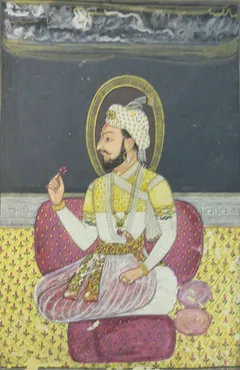
Sambhājī Ascends as the Second Chhatrapati
Sambhājī, eldest son of Śivājī, became the second Chhatrapati of the Maratha state in 1681 and ruled until his death in …
- 1682 CE
Ahoms Defeat the Mughals at Itakhuli
In August 1682 the Ahom kingdom of Assam defeated a Mughal force at Itakhuli, a fortified island on the Brahmaputra. The…
- 1682 CE
Sajjangad, Fort of Good People and Resting Place of Ramdas
Sajjangad, meaning Fort of Good People, rises near Satara in Maharashtra. It is the last resting place of the saint Sama…
- 1687 CE
Golconda Falls after an Eight-Month Siege
In 1687 Aurangzeb personally directed a siege of Golconda Fort that lasted about eight months. The fortress held out unt…
- 1688 CE
Guru Gobind Singh Fights at Bhangani
The Battle of Bhangani, fought near Paonta Sahib around 1686 or 1688, was Guru Gobind Singh's first battle, at about nin…
- 1689 CE
Rajaram I Leads the Marathas from Jinji
Rajaram, younger son of Shivaji, became Chhatrapati of the Marathas in 1689 after his half-brother Sambhaji was executed…
- 1689 CE
Rani Mangammal Governs Madurai as Regent
Rani Mangammal ruled the Madurai Nayak kingdom as regent for her grandson from 1689 to 1704, governing from Tiruchirappa…
- 1689 CE
Santaji Ghorpade Harries the Mughal Armies
Santaji Ghorpade, the seventh Maratha senapati under Rajaram I, fought the Mughals between 1689 and 1696 with Dhanaji Ja…
- 1690 CE
Jinji Fort Endures a Near Eight-Year Siege
The Mughal siege of Jinji, the triple-hill fortress in Tamil Nadu where the Maratha king Rajaram had taken refuge, ran f…
 1694 CE
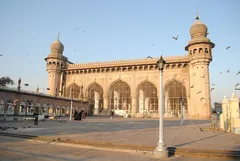
Mecca Masjid of Hyderabad Completed Under Aurangzeb
The Mecca Masjid in Hyderabad, among the largest mosques in India with room for 10,000 worshippers, was completed in 169…
- 1696 CE
Rudra Singha Becomes Ahom King
Rudra Singha, also called Sukhrungpha, ruled the Ahom kingdom of Assam from 1696 until his death in 1714. Inheriting a s…
- 1698 CE
Kanhoji Angre Commands the Maratha Navy
Kanhoji Angre, who lived from 1669 to 1729, became admiral of the Maratha fleet on the Konkan coast. He seized European …
- 1699 CE
Guru Gobind Singh founds the Khalsa
In 1699 Guru Gobind Singh, the tenth Sikh Guru, established the Khalsa, an order of initiated Sikhs pledged to a code of…
- 1700 CE
The Baul Tradition of Bengal
The Bauls are wandering mystic minstrels of Bengal who blend elements of Sufism and Vaiṣṇava Sahajiyā devotion. Their so…
- 1700 CE
Carnatic Music Takes Its Modern Form
Carnatic music, the classical tradition of South India, is one of the two main streams of Indian art music and is rooted…
- 1700 CE
Hazratbal Shrine on the Shore of Dal Lake
The Hazratbal dargah in Srinagar, on the northern shore of Dal Lake, houses the Moi-e-Muqaddas, a relic believed to be a…
- 1700 CE
Sanamahism, the Meitei Faith of Manipur
Sanamahism, or Meitei laining, is the indigenous faith of Manipur's Meitei community and is named after the deity Lainin…
- 1700 CE
Mysore Painting, a Classical South Indian School
Mysore painting is a classical South Indian style that arose in and around Mysore in Karnataka under royal encouragement…
- 1700 CE
Pahari Painting Flourishes in the Hill Courts
Pahari painting is the miniature tradition of the lower Himalayan hill kingdoms, practised from the early seventeenth to…
- 1700 CE
Pattachitra, the Scroll Painting of Odisha and Bengal
Pattachitra is a tradition of painting on cloth, practised in Odisha and West Bengal and parts of Bangladesh, known for …
- 1700 CE
Sadāśiva Brahmendra, Avadhūta and Composer
Sadāśiva Brahmendra was an Advaita philosopher and composer of Carnatic music, a disciple of Paramaśivendra Sarasvatī of…
- 1700 CE
Thanjavur Palace and Its Saraswati Mahal Library
The Thanjavur Maratha Palace, called Aranmanai, was home to the Bhonsle family who ruled Thanjavur from 1674 to 1855. It…
- 1700 CE
Śrīdhar Swāmī Nāzarekar and the Marathi Devotional Narrative
Śrīdhar Brahmānand Nāzarekar, who lived from 1658 to 1729, was a Marathi poet and philosopher who retold sacred stories …
- 1700 CE
Tarabai Holds the Maratha Throne Against Aurangzeb
Tarabai Bhonsle, widow of Rajaram I and a daughter-in-law of the empire's founder Shivaji, ruled as regent of the Marath…
- 1700 CE
Viśvanātha Cakravartī, Gauḍīya Vaiṣṇava Commentator
Viśvanātha Cakravartī Ṭhākura, born in Murshidabad around 1626, was a leading Gauḍīya Vaiṣṇava teacher who lived at Vṛnd…
- 1704 CE
The Stand at Chamkaur, December 1704
In December 1704 at Chamkaur in Punjab, a small Khalsa force under Guru Gobind Singh fought a Mughal army led by Wazir K…
- 1704 CE
The Four Sahibzade of Guru Gobind Singh
In December 1704 the four sons of Guru Gobind Singh died within days. Ajit Singh and Jujhar Singh fell in the second bat…
- 1706 CE
Tranquebar, the Danish Foothold on the Coromandel Coast
Tranquebar, now Tharangambadi in Tamil Nadu, became the first Danish trading post in India, founded in 1620, and from 17…
- 1708 CE
Shāhū I Takes the Maratha Throne
Shāhū I, grandson of Shivaji, was crowned Chhatrapati at Satara in 1708 and reigned until 1749, the longest reign among …
- 1709 CE
Gharib Niwaz Makes Manipur a Hindu Kingdom
Gharib Niwaz, also called Pamheiba, ruled Manipur from about 1709 to 1748. In 1717 he introduced Hinduism as the state r…
- 1709 CE
Manipur Under Garib Niwaz Turns to Vaiṣṇavism
The Meitei kingdom of Manipur, on the India-Burma frontier, entered a new phase under Pamheiba, called Garib Niwaz, who …
- 1710 CE
Banda Singh Bahadur Challenges Mughal Power in Punjab
Banda Singh Bahadur, an ascetic turned disciple of Guru Gobind Singh, led a Sikh army against Mughal authority in Punjab…
- 1712 CE
Bharatchandra Ray and the Annadāmaṅgal
Bharatchandra Ray Guṇākar (1712 to 1760) was an eighteenth-century Bengali and Sanskrit court poet and song composer of …
 1713 CE
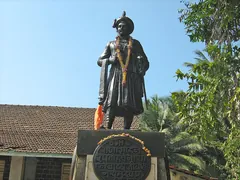
Bālājī Viśvanāth Becomes Peshwa and Steadies the Maratha State
Bālājī Viśvanāth Bhaṭ, who lived from 1662 to 1720, was the first of the hereditary Peshwas of the Bhaṭ family. He helpe…
- 1713 CE
Farrukhsiyar Takes the Mughal Throne
Farrukhsiyar, born in 1683, became the tenth Mughal emperor in 1713 after deposing his uncle Jahandar Shah. Effective po…
- 1713 CE
The Peshwas and the Maratha Confederacy
The Peshwa was the chief minister of the Maratha state, ranking just below the Chhatrapati. Under Shāhū the office becam…
- 1713 CE
Sayyid Brothers Make Farrukhsiyar Emperor
Abdullah Khan and Husain Ali Khan, the Sayyid brothers, rose to prominence at Delhi once Aurangzeb had died in 1707. In …
- 1717 CE
Murshid Quli Khan Becomes Nawab of Bengal
In 1717 the Mughal emperor Farrukhsiyar appointed Murshid Quli Khan as Nawab Nazim of Bengal, making him the province's …
- 1719 CE
Muhammad Shah Rangila Ascends the Mughal Throne
Muhammad Shah, born Roshan Akhtar, became the thirteenth Mughal emperor in 1719 at eighteen and reigned until 1748. A no…
- 1720 CE
Bājīrāo I Leads the Maratha Expansion
Bājīrāo I served as the seventh Peshwa of the Maratha Empire from 1720 until his death in 1740. Over two decades he led …
- 1720 CE
Bulleh Shāh, Sufi Poet of Punjab
Bulleh Shāh (about 1680 to 1757), born Sayyid Abdullāh Shāh Qādrī, is regarded as one of the greatest Punjabi poets. His…
- 1722 CE
Badan Singh Founds the Jat State of Bharatpur
Bharatpur, a Jat-ruled state in present-day Rajasthan, was founded by Badan Singh of the Sinsinwar clan in 1722. It grew…
- 1722 CE
The Nawabs of Awadh Establish Their Kingdom
The Nawabs of Awadh, or Oudh, were rulers of a northern Indian kingdom through the eighteenth and nineteenth centuries. …
- 1722 CE
Saadat Khan Becomes First Nawab of Awadh
In January 1722 the Mughal noble Saadat Khan Nishapuri became governor of Awadh and the first Nawab, founding a line of …
- 1723 CE
Ramprasad Sen and the Songs to Kali
Ramprasad Sen, a Shakta poet-saint of eighteenth-century Bengal, wrote devotional songs to the goddess Kali in Bengali. …
- 1724 CE
Asaf Jah I Founds the Nizam's Dominion
In 1724 the emperor Muhammad Shah was obliged to accept Mir Qamar-ud-din Khan, Asaf Jah I, as lasting governor of the De…
- 1724 CE
Jai Singh Completes the Delhi Jantar Mantar
The Jantar Mantar in New Delhi, completed in 1724, is a naked-eye observatory of thirteen masonry instruments built by S…
- 1727 CE
Jai Singh II Raises the City Palace at Jaipur
Sawai Jai Singh II moved his court from Amber to the newly planned city of Jaipur in 1727, and work on the City Palace b…
- 1727 CE
Sawai Jai Singh II Founds Jaipur
Sawai Jai Singh II, ruler of Amber from 1699 to 1743, founded the walled city of Jaipur in 1727 and made it his capital.…
- 1729 CE
Mārtāṇḍa Varma Founds the Kingdom of Travancore
Mārtāṇḍa Varma was the founding ruler of Travancore, which grew from the older Vēṇāḍu, and reigned from 1729 to 1758. He…
- 1729 CE
Moropant, Last of the Marathi Pandit Poets
Moreshwar Ramchandra Paradkar, known as Moropant or Mayur Pandit, lived from 1729 to 1794 and is classed by scholars as …
- 1729 CE
Travancore Emerges as a Princely State of the South
The Kingdom of Travancore, also called Thiruvithamkoor, was a princely state of southern Kerala and part of Tamil Nadu t…
- 1730 CE
Baladeva Vidyābhūṣaṇa Carries Gauḍīya Thought Westward
Baladeva Vidyābhūṣaṇa (c. 1700–1793) was a Gauḍīya Vaiṣṇava teacher who helped the Bengal-based tradition spread beyond …
- 1730 CE
Bhāskararāya Makhin, Scholar of Śrī Vidyā
Bhāskararāya Makhin, traditionally dated 1690–1785, was born into a Maharashtrian brahmin family at Hyderabad and settle…
- 1730 CE
The Bishnoi Sacrifice at Khejarli
In September 1730, 363 Bishnois of Khejarli village in Marwar were killed while peacefully trying to protect khejri tree…
- 1730 CE
Tāyumānavar, the Tamil Mystic Poet of Tiruchirappalli
Tāyumānavar (1705–1744) was a Tamil poet-philosopher who gave voice to Śaiva Siddhānta in devotional hymns, of which abo…
- 1732 CE
Malhar Rao Holkar Receives Indore
Malhar Rao Holkar (1693–1766) was a Maratha commander whom Peshwa Baji Rao I sent to extend Maratha authority northward.…
- 1732 CE
Ranoji Scindia, Founder of the Scindia Line
Ranoji Scindia (c. 1700–1745) was a Maratha commander serving the Peshwas who began the Scindia dynasty, later rulers of…
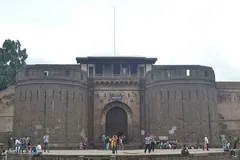 1732 CE
Shaniwar Wada, Seat of the Peshwas at Pune
Shaniwar Wada, a fortified palace in Pune built in 1732, housed the Peshwas, chief ministers of the Maratha Confederacy,…
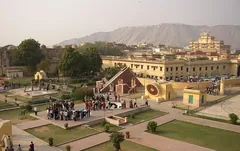 1734 CE
Jantar Mantar observatory, Jaipur
The Jantar Mantar at Jaipur is an observatory of nineteen masonry astronomical instruments built by Sawai Jai Singh II, …
- 1734 CE
Nahargarh Fort Rises Above Jaipur
Nahargarh Fort, on the edge of the Aravalli Hills above Jaipur, was begun around 1734 and once formed a defensive ring f…
- 1735 CE
Govind Dev Comes to Jaipur from Vrindavan
The Govind Dev Ji temple in Jaipur's City Palace houses a Rādhā-Kṛṣṇa image brought from Vrindavan by Maharaja Sawai Jai…
- 1739 CE
Nader Shah Crushes the Mughals at Karnal
At Karnal on 24 February 1739 the Persian ruler Nader Shah defeated Mughal emperor Muhammad Shah in about three hours. T…
- 1739 CE
Marathas Capture the Fortress of Vasai
In 1739 Maratha forces under Chimaji Appa, brother of Peshwa Bajirao I, besieged and took Vasai (Bassein), the Portugues…
- 1739 CE
Nader Shah Carries the Koh-i-Noor from Delhi
The Koh-i-Noor, a famous 105.6-carat diamond, was taken from Delhi to Persia by Nader Shah in 1739 after the Mughal defe…
- 1739 CE
Nader Shah Sacks Delhi
In 1739 the Persian ruler Nader Shah defeated Mughal forces at Karnal and occupied Delhi, where a massacre of its people…
- 1740 CE
Alivardi Khan Becomes Nawab of Bengal
Alivardi Khan, born in 1676, took power as fourth Nawab of Bengal in 1740 after defeating Sarfaraz Khan at Giria. He end…
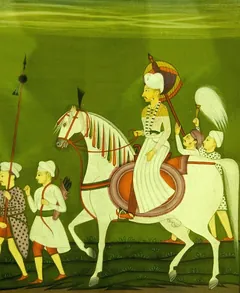 1740 CE
Balaji Baji Rao Leads the Maratha Confederacy
Balaji Baji Rao, called Nana Saheb I, became the eighth Peshwa of the Maratha Empire in 1740, following his father Bajir…
- 1740 CE
Dashashwamedh Ghat on the Ganga at Varanasi
Dashashwamedh Ghat is a principal ghat of Varanasi beside the Vishwanath temple. Legend credits Brahmā with ten horse sa…
- 1740 CE
Nainsukh Moves to Jasrota
Around 1740 the Pahari painter Nainsukh left the family workshop at Guler for Jasrota, where he worked for the Rajput ru…
- 1740 CE
Shāh Walī Allāh and the Renewal of Islamic Thought in India
Shāh Walī Allāh of Delhi (1703 to 1762) was an influential Sunni scholar and Sufi reformer who sought to renew Islamic l…
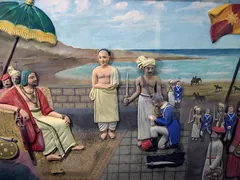 1741 CE
Travancore Defeats the Dutch at Colachel
On 10 August 1741, the army of Travancore under King Mārtāṇḍa Varma defeated Dutch East India Company forces led by Admi…
- 1741 CE
Bhāskar Paṇḍit Leads the First Maratha Raid on Bengal
Bhāskar Rām Kolhāṭkar, finance minister of Raghuji Bhonsle of Nagpur, led the Maratha invasions of Bengal that began in …
- 1742 CE
Maratha Raids on Bengal Under Raghuji Bhonsle
Between 1742 and 1751 Maratha forces under Raghuji I of Nagpur raided the Bengal Subah five times to levy chauth, plunde…
- 1743 CE
The Unification of Nepal Begins
From 1743, when Prithvi Narayan Shah took the Gorkha throne, the hill kingdom began absorbing dozens of small states int…
- 1746 CE
The Carnatic Wars and the Anglo-French Rivalry
The Carnatic wars were a series of mid-eighteenth-century conflicts on India's south-eastern coast, from 1746 to 1763. D…
- 1746 CE
The Chhoṭā Ghallūghārā Against the Sikhs
The Chhoṭā Ghallūghārā, or lesser massacre, was a campaign by the Mughal governor of Lahore against Sikhs in 1746. Estim…
- 1748 CE
Ahmad Shah Durrani Begins His Invasions of India
In 1748 Ahmad Shah Durrani, founder of the Durrani Empire, led the first of many raids into India, a campaign spread ove…
- 1748 CE
The Sikh Misls Form a Confederacy
In the eighteenth century the Sikhs of Punjab organised into twelve sovereign states called misls, formed originally to …
- 1749 CE
Peshwa Balaji Baji Rao Builds on Parvati Hill
Under Peshwa Balaji Baji Rao a temple complex rose on Parvati Hill, a 640-metre hillock in Pune reached by 108 steps. It…
- 1750 CE
Bani Thani, Poet and Muse of Kishangarh
Bani Thani was a singer and poet at Kishangarh in Rajputana during the reign of Raja Sawant Singh, 1748 to 1764, who lov…
- 1750 CE
The Ghats of Varanasi Rebuilt Under Maratha Patronage
Varanasi has eighty-four ghats, stepped embankments leading to the Ganges. Most were bathing and ritual sites, while Man…
- 1750 CE
The Kartabhaja Sect Rises Around Aulchand in Bengal
The Kartabhaja, or Worshippers of the Master, were a Bengal religious community that came to prominence in the mid-eight…
- 1750 CE
Lavani, Maharashtra's Rhythmic Song and Dance
Lavani is a popular genre of Maharashtra combining song and dance to the beat of the dholki. Known for strong rhythm and…
 1750 CE
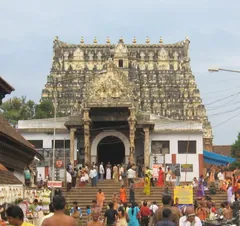
Padmanabhaswamy Temple and the Dedication of Travancore
The Padmanabhaswamy Temple in Thiruvananthapuram is a Viṣṇu shrine and one of the 108 Divya Deśams of Śrī Vaiṣṇavism. It…
- 1750 CE
Ramnagar Fort Rises Opposite Varanasi
Ramnagar Fort, a sandstone fortification on the eastern bank of the Ganges opposite Tulsi Ghat, was built in 1750 by Mah…
- 1750 CE
Sarasbaug and the Ganapati of the Lake in Pune
Sarasbaug in Pune grew around an old artificial lake created in the Peshwa period, with the Talyatla Ganapati temple sta…
- 1750 CE
Tamasha, Maharashtra's Folk Theatre, Takes Hold
Tamasha is a traditional form of Marathi popular theatre that combines song, dance and drama, performed by travelling tr…
 1754 CE
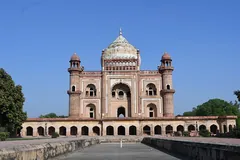
The Tomb of Safdarjung, a Late Mughal Mausoleum
The sandstone and marble tomb of Safdarjung in Delhi was built in 1754 for the Nawab of Awadh and Mughal prime minister.…
- 1756 CE
The Black Hole of Calcutta After the Fall of Fort William
On the night of 20 June 1756, after Siraj-ud-Daulah's forces took Fort William, captured defenders were confined in a sm…
- 1756 CE
Guru Ghasidas and the Satnami Movement of Chhattisgarh
Guru Ghasidas (1756–1850) was a saint from Chhattisgarh who founded the Satnami movement, probably in the 1820s. He prea…
- 1756 CE
Vijaydurg Falls and Tulaji Angre Is Captured
In 1756 the Maratha admiral Tulaji Angre, son of the renowned Kanhoji Angre, was defeated at Vijaydurg by a combined for…
- 1757 CE
Durga Puja Grows Into Bengal's Great Public Festival
Durga Puja honours the goddess Durgā's victory over Mahiṣāsura and is the largest festival of Bengal. Traditions of lavi…
- 1758 CE
The Marathas Reach Attock in the Afghan War
In 1758 Maratha armies pushed into Punjab and captured Attock on the Indus, the high point of their northward expansion.…
- 1760 CE
Shyama Sangeet Blooms in Bengal
Shyama Sangeet is a Bengali genre of devotional songs to the goddess Shyama, a name of Kali and a form of Durga or Parva…
- 1761 CE
Hyder Ali Rises to Control the Kingdom of Mysore
Hyder Ali, a soldier who rose to commander-in-chief under the Wodeyars, became the effective ruler of Mysore by 1761 and…
- 1761 CE
Jassa Singh Ahluwalia Leads the Dal Khalsa
Jassa Singh Ahluwalia, born in 1718, was the supreme leader of the Dal Khalsa and head of the Ahluwalia Misl during the …
- 1761 CE
Madhavrao I Rebuilds Maratha Power
Madhavrao I became Peshwa in 1761, aged sixteen, after the disaster of Panipat. Over eleven years he reorganised adminis…
 1761 CE
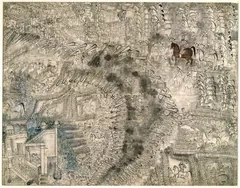
Third Battle of Panipat
On 14 January 1761, near Panipat about 97 kilometres north of Delhi, the Maratha army under Sadāśivrāo Bhāu met the inva…
- 1763 CE
Suraj Mal, the Jat Ruler of Bharatpur
Maharaja Suraj Mal (1707–1763) made Bharatpur a major power in northern India. His Jat state covered a large stretch fro…
- 1767 CE
Ahilyabai Holkar Takes Charge of Malwa
Ahilyābāī Holkar, born in 1725, took over the affairs of the Holkar state after the deaths of her husband and father-in-…
- 1767 CE
Maheshwar Becomes a Holkar Capital
Maheshwar, a town on the northern bank of the Narmada in Madhya Pradesh, was once the seat of the Haihaya king Kārtavīry…
- 1768 CE
Prithvi Narayan Shah Unites the Gorkha Realm
Prithvi Narayan Shah ruled Gorkha from 1743 and took Kathmandu in 1768, founding the unified Kingdom of Nepal. Through c…
- 1769 CE
The Moamoria Rebellion in Ahom Assam
From 1769 to 1805 the Moamoria rebellion shook the Ahom kingdom of Assam. It began as a struggle between the Vaiṣṇava Ma…
- 1770 CE
Cheitharol Kumbaba, Manipur's Royal Chronicle
The Cheitharol Kumbaba chronicles the kings of Manipur at court, covering 76 rulers from a claimed start in 33 CE to 195…
- 1770 CE
Company Painting: Indo-European Art for Patrons
Company painting, called kampani kalam in Hindi, was a hybrid Indo-European style produced in British India by Indian pa…
- 1770 CE
Mīr Taqī Mīr, Master of the Delhi Urdu Ghazal
Mīr Taqī Mīr, born in 1723 and active through the eighteenth century, was one of the great Urdu poets and a leading voic…
 1771 CE
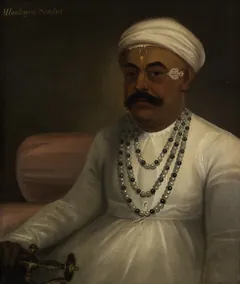
Mahadji Shinde Revives Maratha Power in the North
Mahadji Shinde, or Scindia, a Maratha general and statesman, rebuilt Maratha influence in northern India after the defea…
- 1773 CE
The Murder of Peshwa Narayanrao
Narayanrao became Peshwa in November 1772 at seventeen after his brother Madhavrao I died. His short rule was marked by …
- 1774 CE
Ram Shastri Judges the Peshwa
Ram Shastri Prabhune served as chief justice of the Maratha empire's highest court in the later eighteenth century. He i…
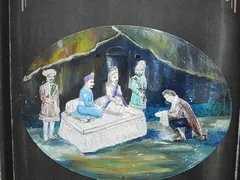 1775 CE
The First Anglo-Maratha War Ends at Salbai
Fought between 1775 and 1782, the First Anglo-Maratha War began when the East India Company backed Raghunathrao's claim …
- 1775 CE
Nana Fadnavis, Statesman of the Peshwa Court
Nana Fadnavis, born Balaji Janardan Bhanu, was a leading minister of the Peshwa administration at Pune in the late eight…
- 1776 CE
Muthuswāmi Dīkṣitar, Composer of the Carnatic Trinity
Muthuswāmi Dīkṣitar, who lived from 1776 to 1835, was a South Indian poet, vīṇā player and composer, the youngest of the…
- 1779 CE
The British Surrender at Wadgaon
In January 1779, during the First Anglo-Maratha War, a British column marching towards Pune ran short of supplies, was s…
- 1779 CE
Manipuri Dance Takes Classical Form under Bhagyachandra
Manipuri dance, also called Raas Leela, is a classical form from Manipur that blends four ritual traditions. The Meitei …
- 1781 CE
Chet Singh of Benares Resists Warren Hastings
Chet Singh, third ruler of the Benares kingdom, succeeded his father Balwant Singh in 1770. In 1781 a dispute over Briti…
 1782 CE
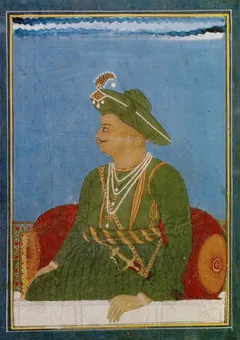
Tipu Sultan, Ruler of Mysore
Tipu Sultan (1751–1799), known as the Tiger of Mysore, ruled the Kingdom of Mysore from 1782 until he was killed defendi…
- 1784 CE
Asaf-ud-Daula Builds the Bara Imambara at Lucknow
In 1784 Asaf-ud-Daula, Nawab of Awadh, began the Bara Imambara in Lucknow, a vast congregation hall and mosque complex a…
- 1790 CE
Śyāma Śāstrī, Eldest of the Carnatic Trinity
Śyāma Śāstrī (1762 to 1827) was a Carnatic composer and the eldest of the Trinity of Carnatic music, alongside Tyāgarāja…
- 1796 CE
Baji Rao II Becomes the Last Peshwa
Baji Rao II, the thirteenth and last Peshwa, ruled from 1796. Ousted by rival chiefs, he concluded the Treaty of Bassein…
- 1798 CE
Serfoji II Returns to the Thanjavur Throne
Serfoji II, born in 1777, was Thanjavur's final independent Bhonsle king. His rule ran first over the years 1787 to 1793…
- 1799 CE
Sawai Pratap Singh Builds the Hawa Mahal in Jaipur
Maharaja Sawai Pratap Singh raised the Hawa Mahal, the Palace of Winds, in Jaipur in 1799. Its five-storey sandstone fro…
- 1799 CE
Dewan Purnaiah Steers Mysore
Krishnacharya Purnaiah (1746–1812) was Mysore's first dewan, serving from 1782 to 1811. A skilled accountant and linguis…
- 1799 CE
Ranjit Singh Founds the Sikh Empire
The Sikh Empire was a Punjab-based state that began in 1799 when Ranjit Singh took Lahore and ended in 1849 with annexat…
- 1800 CE
Bharatanatyam Is Codified in the Thanjavur Court
Bharatanatyam, the classical dance of Tamil Nadu, grew out of the older temple and court dance called sadir. In the earl…
- 1800 CE
Kalighat Paintings Emerge Near Calcutta's Kali Temple
Kalighat painting arose in the nineteenth century among scroll painters, the patuas, working near the Kalighat Kali Temp…
- 1800 CE
The Thanjavur Quartet Shape Bharatanatyam
The Thanjavur Quartet, four brothers named Chinnayya, Ponnayya, Shivanandam and Vadivelu, worked in the early nineteenth…
- 1800 CE
Tyāgarāja, Saint-Composer of Carnatic Music
Tyāgarāja, who lived from 1767 to 1847, was a composer of Carnatic music and one of its Trinity with Śyāma Śāstri and Mu…
- 1802 CE
The Treaty of Bassein Binds the Peshwa to the Company
On 31 December 1802, after losing the Battle of Poona, Peshwa Baji Rao II signed the Treaty of Bassein with the East Ind…
- 1804 CE
Yashwantrao Holkar Challenges the Company
Yashwantrao Holkar (1776–1811), ruler of Indore, fought the East India Company in the Second Anglo-Maratha War. Educated…
- 1807 CE
Vishrambaug Wada, Last Peshwa's Mansion in Pune
Vishrambaug Wada in central Pune was the residence of Baji Rao II, the last Peshwa of the Maratha confederacy, in the ea…
- 1809 CE
Kalighat Kali Temple in Kolkata
The Kalighat Kali Temple in Kolkata is dedicated to the goddess Kālī and is revered as one of the Śakti Pīṭhas. Traditio…
- 1809 CE
Velu Thampi Dalawa Rises against the Company
Velayudhan Chempakaraman Thampi (1765–1809), Dalawa of Travancore from 1802, turned against the East India Company's gro…
- 1813 CE
The Charter Act of 1813 Ends the Company's Trade Monopoly
The East India Company Act 1813 renewed the Company's charter for twenty years but ended its commercial monopoly in Indi…
- 1813 CE
Sikhs Take Attock at the Battle of Haidru
In 1813 Sikh forces under Ranjit Singh defeated Durrani troops led by Fateh Khan Barakzai near Attock on the Indus. The …
- 1818 CE
The Defence of Koregaon Bhima
On 1 January 1818 a small East India Company force of about 800 under Captain Francis Staunton held Koregaon Bhima for n…