Era · c. 550–1200 CE
Early Medieval
472 moments in this era.
- 550 CE
The Badami Chalukyas Rise at Vātāpi
The Badami Chalukyas ruled much of the Deccan from Vātāpi, modern Badami, from the mid-sixth century until the eighth. T…
 550 CE
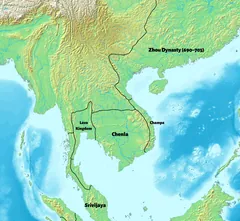
Chenla, the Pre-Angkor Khmer Polities
Chenla, or Zhenla, is the Chinese name for the polities that preceded the Khmer Empire from the late sixth to the early …
 550 CE
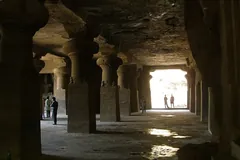
Elephanta Caves of Gharapuri
The Elephanta Caves on Gharapuri island in Mumbai Harbour are rock-cut temples largely dedicated to Śiva and now a UNESC…
- 550 CE
Early Kalacuris Rule from Māhiṣmatī
The Early Kalacuris of Māhiṣmatī ruled parts of central and western India from about 550 to 625 CE. They are the first o…
- 550 CE
Karaikkal Ammaiyar, the Ghoul-Like Devotee of Shiva
Karaikkal Ammaiyar, born Punitavati, was one of three women among the sixty-three Nayanar saints of Tamil Shaivism. Prob…
- 550 CE
The Later Guptas of Magadha and Malwa
After the Imperial Guptas faded, a separate line known as the Later Guptas ruled Magadha and Malwa from the sixth to eig…
- 550 CE
The Maukharis Rule the Ganga-Yamuna Plain from Kannauj
The Maukhari dynasty began as vassals of the Guptas and rose to independence in the mid-sixth century. For roughly a cen…
- 566 CE
Guhilas of Medapata Rise in Mewar
The Guhilas of Medapata ruled the Mewar region of Rajasthan from capitals at Nagda and Ahar. Feudatories of the Pratihar…
 566 CE
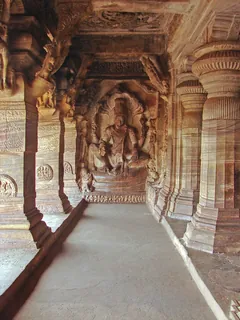
Kīrtivarman I Extends Early Chalukya Power
Kīrtivarman I reigned over the Chalukyas from 566 to 592. A son of the dynasty's first sovereign, Pulakeśin I, he widene…
 575 CE
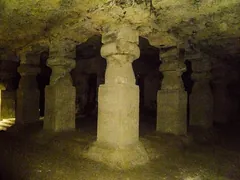
Jogeshwari Caves Carved in Mumbai
The Jogeshwari caves in a northern suburb of Mumbai are among the earliest Hindu cave temples, cut in the sixth century …
- 575 CE
Siṃhaviṣṇu Revives the Pallava Kingdom
Siṃhaviṣṇu, also called Avanisiṃha, was the Pallava king who revived the dynasty around the late sixth century and was t…
 580 CE
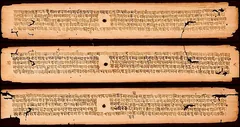
Varahamihira Composes the Brihat Jataka
The Brihat Jataka is one of five principal works by the astronomer and polymath Varahamihira and a foundational Sanskrit…
 590 CE
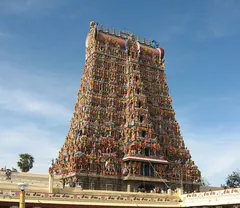
Kaṭuṅkōṉ Revives the Pāṇḍya Kingdom
Kaṭuṅkōṉ, a Pāṇḍya king of the sixth century, is credited with reviving Pāṇḍya power from Madurai. Together with the Pal…
 590 CE
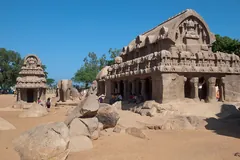
Mahendravarman I, Pallava King and Playwright
Mahendravarman I ruled the Pallava kingdom from 590 to 630 CE over southern Andhra and northern Tamil Nadu. A painter, a…
 590 CE
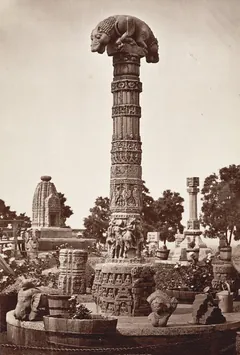
Prabhākaravardhana Raises Thanesar to Prominence
Prabhākaravardhana ruled Thanesar around the close of the Gupta era and is regarded as the first notable king of the Var…
 590 CE
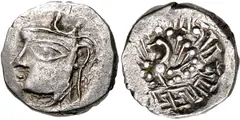
Pushyabhūti Dynasty of Thanesar
The Puṣyabhūti, or Vardhana, dynasty ruled Thanesar in northern India during the sixth and seventh centuries. It reached…
 592 CE
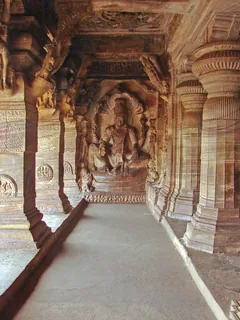
Maṅgaleśa Expands Chalukya Power in the West
Maṅgaleśa ruled the Chalukya kingdom of Vātāpi from about 592 to 610 CE, succeeding his brother Kīrttivarman I. He exten…
- 600 CE
Bhūtattāḻvār, Second of the Early Āḻvārs
Bhūtattāḻvār is one of the twelve Āḻvār poet-saints of Tamil Vaiṣṇavism and is counted second among the three earliest, …
 600 CE
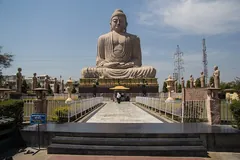
Bodh Gayā Grows into the Great Buddhist Pilgrimage Site
Bodh Gayā in Bihar is the place where the Buddha is said to have attained enlightenment under the Bodhi tree. Used by Bu…
- 600 CE
Chaturaṅga, the Ancient Indian Ancestor of Chess
Chaturaṅga is an ancient Indian strategy board game known from around the seventh century CE. Chess historians generally…
 600 CE
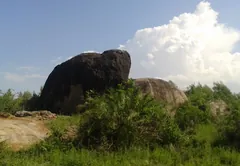
Dantapuram, Ancient Capital of Kalinga
Dantapuram, a village in Srikakulam district of Andhra Pradesh, is identified by historians with an ancient capital of t…
 600 CE
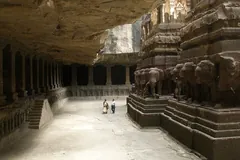
Ellora Carves Faiths into the Basalt Cliffs
The Ellora complex near Aurangabad holds more than a hundred rock-cut caves, of which thirty-four are open to visitors, …
 600 CE
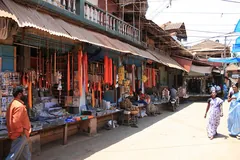
Gokarna, Shore Town of Mahabaleshwar
Gokarna, on the Uttara Kannada coast of Karnataka, is a temple town known for the Mahabaleshwar Temple of Śiva, along wi…
 600 CE
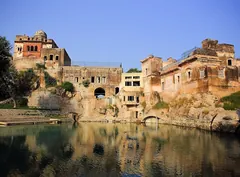
Katās Rāj Temples, a Sacred Pool in the Salt Range
The Katās Rāj temples are a Hindu temple group in Pakistan's Punjab, set in the Salt Range and arranged around a pond he…
 600 CE
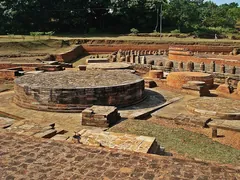
Lalitagiri, Buddhist Hilltop in Odisha
Lalitagiri in Cuttack district, Odisha, is a major Buddhist complex of stupas, monasteries and Tantric-era images, regar…
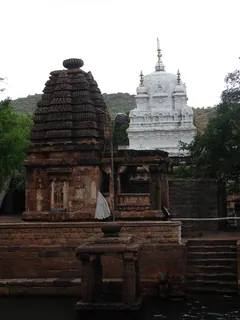 600 CE
Mahākūṭa Temples Rise Under Early Chalukyas
The Mahākūṭa group of temples in Bagalkot district, Karnataka, was built by the first Chalukya kings of Bādāmi in the si…
 600 CE
Pallava Grantha Script Spreads Across Asia
The Pallava script, attested from the fourth century CE, grew out of Tamil-Brahmi and was used by the Pallavas for Tamil…
- 600 CE
Pēyāḻvār and the Early Alvars
Pēyāḻvār ranks among the twelve Alvar saints of Tamil Vaishnavism and the third of the earliest trio, with Poykai and Bh…
 600 CE
Poygai Āḻvār, First of the Mutal Āḻvārs
Poygai is counted among the twelve Āḻvār saints of Tamil Vaiṣṇavism and, with Bhūtattāḻvār and Pēyāḻvār, as one of the t…
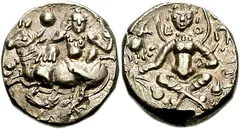 600 CE
Śaśāṅka, King of Gauda
Śaśāṅka ruled the Gauda kingdom of Bengal in the early seventh century, with his capital at Karnasuvarna. He lived along…
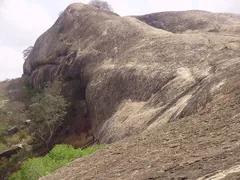 600 CE
Sittanavasal Cave and Its Jain Frescoes
Sittanavasal, in Pudukkottai district of Tamil Nadu, is a rock-cut monastery of the Śramaṇa tradition, also called Ariva…
- 600 CE
Vāgbhaṭa and the Eight Limbs of Ayurveda
Vāgbhaṭa is the name attached to two major Ayurvedic compendia, the Aṣṭāṅgasaṅgraha and the Aṣṭāṅgahṛdaya. Both condense…
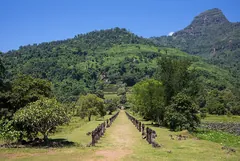 600 CE
Vat Phou, a Mountain Sanctuary in Southern Laos
Vat Phou, a ruined Khmer-era Hindu temple complex in southern Laos, grew up around an older sanctuary at a spring. Its e…
 600 CE
Vaṭṭeḻuttu, the Rounded Script of the Far South
Vaṭṭeḻuttu was a cursive alphasyllabic script used in Tamil Nadu, Kerala and Sri Lanka to write Tamil and Malayalam. A s…
- 600 CE
Viṣṇudharmottara Purāṇa Compiled
The Viṣṇudharmottara is an encyclopaedic Sanskrit work counted among the Upapurāṇas. It covers statecraft, cosmology, ri…
- 605 CE
Aṃśuvarman Rises from Feudal Lord to King of Nepal
Aṃśuvarman ruled Nepal from about 605 to 621 CE. Beginning as a feudal lord, he became Mahāsāmanta, the chief minister, …
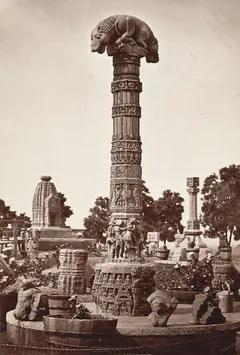 605 CE
Rājyavardhana's Brief Reign at Thanesar
Rājyavardhana, eldest son of Prabhākaravardhana of the Puṣyabhūti house, held the throne of Thanesar for about a year ar…
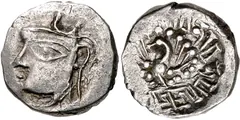 606 CE
Reign of Harṣavardhana of Kannauj
Harṣavardhana ruled from 606 until his death in 647 CE, building a large kingdom across northern India from his base at …
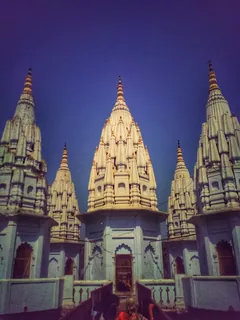 606 CE
Kannauj, Imperial City of the Ganges Plain
Kannauj, on the Ganges plain of Uttar Pradesh, was the ancient Kanyākubja and long a pivot of northern Indian power. It …
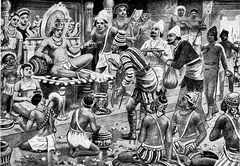 609 CE
Pulakeśin II and the Cālukya Empire of Vātāpi
Pulakeśin II, ruler of the Cālukyas of Vātāpi from about 609 to 642, expanded the kingdom across most of the Deccan. His…
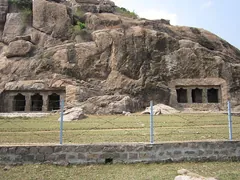 610 CE
Mahendravarman Cuts Cave Temples at Mamandur
Mamandur, near Kanchipuram, preserves seventh-century rock-cut caves attributed by their inscriptions to the Pallava kin…
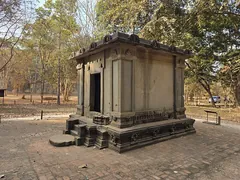 616 CE
Sambor Prei Kuk, Chenla Capital Īśānapura
Sambor Prei Kuk in Kampong Thom Province, Cambodia, was the royal sanctuary and capital Īśānapura of Chenla, established…
- 620 CE
Bāṇabhaṭṭa, Court Poet of Harṣa
Bāṇabhaṭṭa was a seventh-century Sanskrit prose writer at the court of the emperor Harṣa at Kanyakubja. His Harṣacarita,…
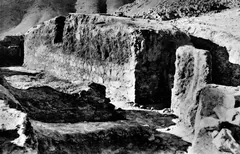 620 CE
Khair Khāneh, a Sun-God Sanctuary near Kabul
Khair Khāneh is an archaeological site near Kabul, Afghanistan, excavated in the 1930s by Joseph Hackin. A marble statue…
- 624 CE
Vengi, Seat of the Eastern Chalukyas
Vengi, or Veṅginadu, is the historic region between the Godāvarī and Kṛṣṇā deltas in Andhra Pradesh, with its capital at…
- 625 CE
The Karkoṭa Dynasty and Kashmir's Golden Age
The Karkoṭa dynasty ruled the Kashmir valley and nearby regions from about 625 to 855 CE. Its kings expanded their power…
- 628 CE
Brahmagupta's Brāhmasphuṭasiddhānta
In 628 CE the mathematician and astronomer Brahmagupta completed the Brāhmasphuṭasiddhānta, a theoretical treatise that …
- 629 CE
Bhāskara I Comments on the Āryabhaṭīya
In 629 the astronomer Bhāskara I completed his commentary on Āryabhaṭa's work, among the oldest surviving Sanskrit prose…
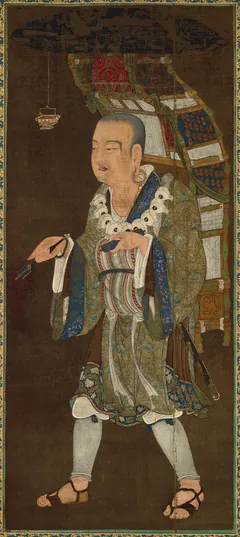 629 CE
Xuanzang's pilgrimage to India
The Chinese Buddhist monk Xuanzang travelled overland to the Indian subcontinent between 629 and 645 CE in search of aut…
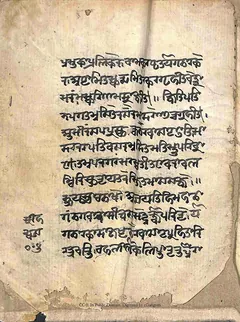 630 CE
Bāṇa Writes the Harṣacarita
Bāṇabhaṭṭa, court poet of Harṣa, composed the Harṣacarita in the early seventh century as a biography of his patron. Wri…
- 630 CE
Kādambarī, Bāṇabhaṭṭa's Unfinished Sanskrit Romance
Kādambarī is a Sanskrit prose romance largely composed in the early seventh century by Bāṇabhaṭṭa, who died before finis…
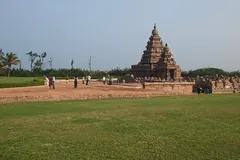 630 CE
Pallava monuments at Māmallapuram
Māmallapuram (Mahabalipuram), a Pallava port on the Tamil Nadu coast named after Narasiṃhavarman I 'Māmalla', became the…
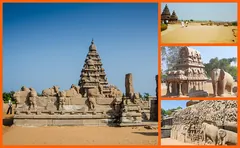 630 CE
Group of Monuments at Māmallapuram Takes Shape
The monuments at Māmallapuram, also called Mahābalipuram, were built under the Pallavas in the seventh and eighth centur…
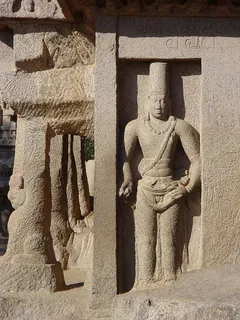 630 CE
Narasiṃhavarman I, Pallava Emperor and Builder of Māmallapuram
Narasiṃhavarman I, known as Māmalla the great wrestler, ruled the Pallava kingdom from 630 to 668. He avenged his father…
- 630 CE
Nīlamata Purāṇa Records Kashmir's Lore
The Nīlamata Purāṇa, also called the Kaśmīra Māhātmya, is an ancient Sanskrit text from Kashmir, dated broadly between t…
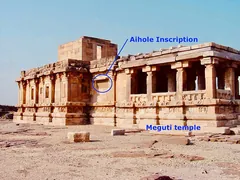 634 CE
Aihoḷe Praśasti Praises Pulakeśin II
The Aihoḷe inscription is a nineteen-line Sanskrit eulogy dated 634 or 635 CE, composed by the Jain poet Ravikīrti for t…
- 640 CE
Harṣa's Court Play Ratnāvalī
Ratnāvalī, the Jewel Necklace, is a four-act Sanskrit natikā about Princess Ratnāvalī and King Udayana, attributed to th…
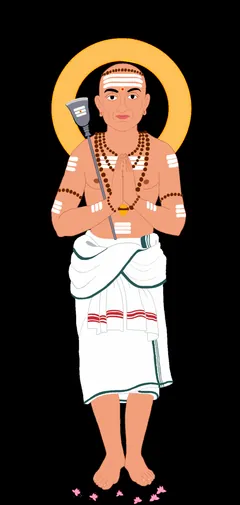 650 CE
Appar, the Tamil Śaiva Saint-Poet
Appar, also known as Tirunāvukkaracu, was a seventh-century Tamil Śaiva poet and one of the sixty-three Nāyaṉārs. Of the…
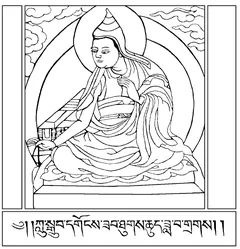 650 CE
Dharmakīrti and the Theory of Valid Knowledge
Dharmakīrti, a Buddhist philosopher at Nālandā in the seventh century, reshaped Indian epistemology. His Pramāṇavārttika…
- 650 CE
Kāśikāvṛtti, a Seventh-Century Commentary on Pāṇini
The Kāśikāvṛtti is a commentary on Pāṇini's grammar, attributed to Jayāditya and Vāmana and composed around the seventh …
- 650 CE
Kumārila Bhaṭṭa Defends Vedic Ritualism
Kumārila Bhaṭṭa, active around the seventh century CE, was a leading Mīmāṃsā philosopher. His three sub-commentaries on …
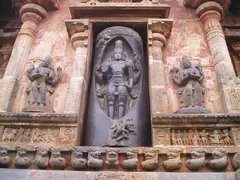 650 CE
Liṅgodbhava: Śiva Emerges from the Pillar of Light
Liṅgodbhava, the emergence of the liṅga, is a sculptural form of Śiva rising from a column of light, with Viṣṇu as a boa…
- 650 CE
Māgha Composes the Śiśupālavadha
Māgha, a Sanskrit poet of the seventh century, wrote the Śiśupālavadha, a court epic in twenty cantos about Kṛṣṇa slayin…
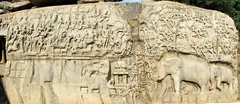 650 CE
Arjuna's Penance Carved at Mamallapuram
At Mamallapuram on the Coromandel Coast, Pallava artists carved a vast open-air relief, about 29 by 13 metres, on two gr…
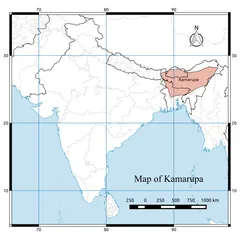 650 CE
Mlechchha Dynasty Rules Kamarupa
After the Varman line ended, the Mlechchha dynasty governed the kingdom of Kamarupa from Harruppesvar near modern Tezpur…
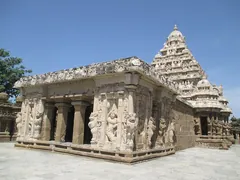 650 CE
Kāñcīpuram: Pallava Capital of Temples
Kāñcīpuram in Tamil Nadu served as the Pallava capital and is known as the City of Thousand Temples. Its monuments, incl…
 650 CE
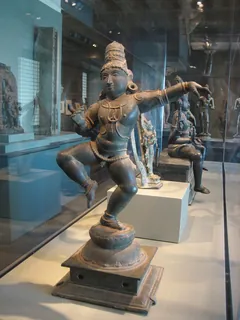
Sambandar, the Child Poet-Saint of Tamil Śaivism
Campantar, or Tirujñānasambandar, was a seventh-century Tamil Śaiva poet-saint who is said to have died at sixteen. Of a…
 650 CE
Sirpur, Mahanadi Capital of Dakshina Kosala
Sirpur, on the Mahanadi in Chhattisgarh, served as capital of the Pāṇḍuvaṃśī rulers and holds Buddhist, Hindu and Jain m…
- 650 CE
Tirumaḻisai Āḻvār, Poet-Saint of Tondai Nadu
Tirumaḻisai Āḻvār is a Tamil saint revered in Śrī Vaiṣṇavism, associated with Tondai Nadu, now part of the Kanchipuram a…
 650 CE
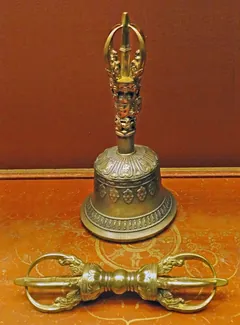
The Rise of Vajrayāna Buddhism
Vajrayāna, the 'Diamond Vehicle', emerged in medieval India between the fifth and seventh centuries CE as a branch of Ma…
 655 CE
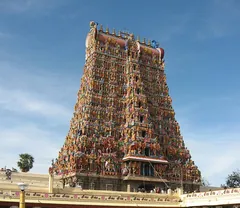
Arikesari Maravarman, Pāṇḍya Challenger of the Pallavas
Arikesari Maravarman, also called Parāṅkuśa, ruled the Pāṇḍya kingdom in roughly 640 to 670. His reign opened the Pāṇḍya…
- 665 CE
Brahmagupta Writes the Khandakhadyaka
In 665 CE the astronomer Brahmagupta completed the Khandakhadyaka, a Sanskrit handbook whose title means an edible morse…
- 671 CE
Śrīvijaya Rises as a Sumatran Maritime Power
Śrīvijaya, a Malay Buddhist sea empire based on Sumatra, appears in records from the seventh century: the Chinese monk Y…
- 695 CE
Rājasiṃha Pallava Builds the Shore Temple
Narasiṃhavarman II, called Rājasiṃha, held the Pallava throne from 695 to 728 CE, and tradition credits him with the Sho…
 700 CE
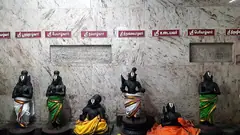
The Āḻvārs and Nāyaṉmārs: Tamil Bhakti Poet-Saints
The Āḻvārs were Tamil poet-saints whose hymns of passionate devotion to Viṣṇu helped spread Vaiṣṇava bhakti in South Ind…
- 700 CE
The Eastern Chalukyas of Veṅgī
The Eastern Chalukyas began as governors for the Chalukyas of Bādāmi and became an independent dynasty in the Veṅgī regi…
 700 CE
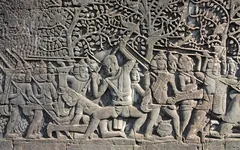
Champa, the Indianised Coast of Vietnam
Champa was a collection of Cham polities along the coast of central and southern Vietnam from about the second century C…
 700 CE
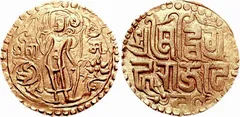
Cāhamānas of Śākambharī Rise in Rajasthan
The Cāhamānas, known as Chauhans, ruled parts of Rajasthan from Śākambharī (Sambhar) between roughly the sixth and twelf…
- 700 CE
The Eighteen Siddhars of the Tamil Tradition
In Tamil tradition a siddhar is a perfected adept who has gained spiritual powers, or siddhi. Wandering teachers of this…
 700 CE
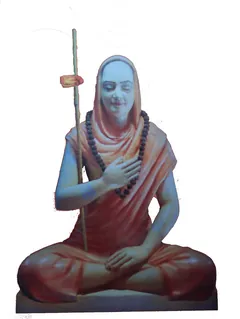
Gauḍapāda and the Māṇḍūkya Kārikā
Gauḍapāda, a teacher of the sixth or seventh century, is remembered as an early Advaita Vedānta thinker and author or co…
 700 CE
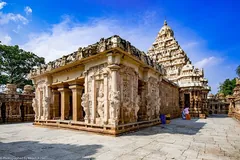
Kailāsanātha Temple, Kāñcīpuram
The Kailāsanātha temple in Kāñcīpuram, Tamil Nadu, is a Pallava-period Śiva temple raised by Narasiṃhavarman II around 7…
- 700 CE
Kāmākṣī Amman Temple Rises at Kanchipuram
The Kāmākṣī Amman Temple at Kāñcīpuram honours the goddess Kāmākṣī, a chief form of Ādi Śakti. Pallava kings are credite…
- 700 CE
The Āgama Texts Take Written Form
The Āgamas are a large body of Tantric scriptures in Sanskrit and Tamil, with Śaiva, Vaiṣṇava and Śākta branches. Their …
 700 CE
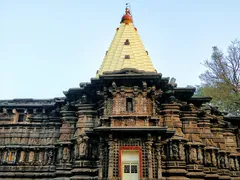
Mahālakṣmī Temple of Kolhapur
The Mahālakṣmī, or Ambābāī, temple at Kolhapur honours the goddess Lakṣmī and is counted as one of the three and a half …
 700 CE
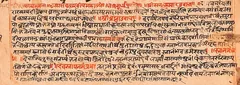
The Kūrma Purāṇa Takes Shape
The Kūrma Purāṇa, named for Viṣṇu's tortoise avatar, is one of the eighteen Mahāpurāṇas. Though Vaiṣṇava in name, it hon…
 700 CE
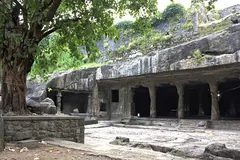
Mandapeshwar Caves Above Borivali
The Mandapeshwar Caves, near Mount Poinsur in Borivali, Mumbai, are an early rock-cut complex dated to about the sixth t…
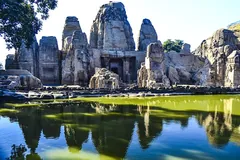 700 CE
Masrur Rock-Cut Temples in the Kangra Valley
The Masrur temples are an early eighth-century group of Hindu shrines cut from rock in the Kangra Valley of Himachal Pra…
 700 CE
Mỹ Sơn, Cham Temples of Śiva in Vietnam
Mỹ Sơn, in central Vietnam, is a group of brick Hindu temples built by the kings of Champa over many centuries. Dedicate…
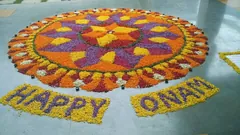 700 CE
Onam, Kerala's Harvest Festival of Mahābali
Onam is a harvest festival celebrated mainly in Kerala in the Malayalam month of Chiṅṅam, around August and September. B…
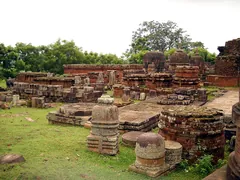 700 CE
Ratnagiri Mahavihara in Odisha
Ratnagiri in Jajpur district, Odisha, was a major Buddhist monastery whose buildings rose from the fifth century and flo…
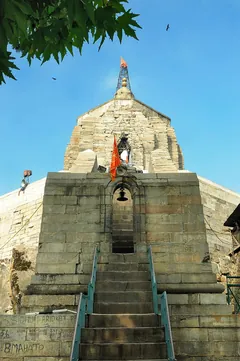 700 CE
Śaṅkarācārya Temple Crowns Srinagar's Hilltop
The Śaṅkarācārya temple, also called Jyeṣṭheśvara, is a Śiva shrine on the Zabarwan hills above Srinagar, about 300 metr…
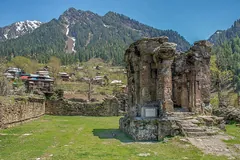 700 CE
Śāradā Pīṭha, a Temple University of Kashmir
Śāradā Pīṭha is a ruined temple and centre of learning in the Nīlam Valley of Pakistan-administered Kashmir. Between the…
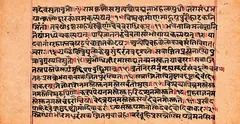 700 CE
The Skanda Purana, Largest of the Mahapuranas
The Skanda Purana, a vast Śaiva text of over 81,000 verses, is the largest of the eighteen Mahapuranas. A work by this n…
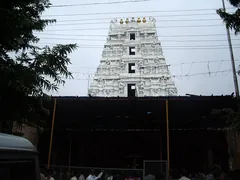 700 CE
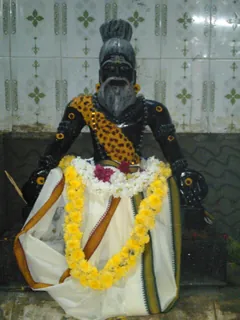
Srisailam: Where Shiva and Bhramaramba Share a Hill Shrine
The Mallikarjuna Temple at Srisailam, in Andhra Pradesh, honours Shiva as Mallikarjuna and his consort as Bhramaramba. I…
 700 CE
Tirumūlar and the Tirumantiram
Tirumūlar, also called Sundaranāthar, was a Tamil Shaiva mystic and poet counted among the sixty-three Nayanars and the …
- 700 CE
Tiruppāṇ Āḻvār, the Singer of Srirangam
Tiruppāṇ Āḻvār is counted as the eleventh of the twelve Āḻvārs, the Tamil Vaishnava poet-saints. Tradition says he was b…
- 700 CE
Udayagiri, a Buddhist Mahāvihāra in Odisha
Udayagiri is the largest Buddhist complex in Odisha, with major stupas and monasteries. Inscriptions name it Madhavapura…
 700 CE
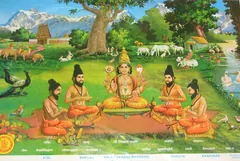
The Vaikhānasa Tradition of Viṣṇu Worship
Vaikhānasa is a Vaiṣṇava Āgama tradition, named for its founder, the sage Vikhanas, which worships Viṣṇu as Supreme God …
- 700 CE
Virahanka and the Early Fibonacci Pattern in Prosody
Virahanka was an Indian metrician who worked on poetic rhythm and mathematics, probably between the sixth and eighth cen…
- 710 CE
Bhavabhūti's Uttararāmacarita Reimagines Rāma's Later Years
The Uttararāmacarita is a seven-act Sanskrit play by Bhavabhūti, composed around the early eighth century. It dramatises…
 711 CE
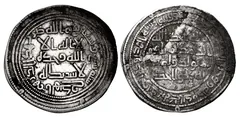
Muhammad ibn al-Qasim Conquers Sindh
In 711–712 the Umayyad commander Muhammad ibn al-Qasim led an Arab campaign into Sindh, defeating Raja Dāhir of the Brah…
- 715 CE
Bhavabhūti, Poet of Compassion and Author of Uttararāmacarita
Bhavabhūti, born Śrīkaṇṭha Nīlakaṇṭha, was a Sanskrit dramatist and poet of the eighth century, often ranked beside Kāli…
 720 CE
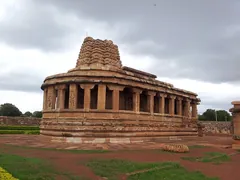
Durga Temple at Aihole, an Apsidal Surya Shrine
The Durga temple at Aihole in Karnataka dates to the early eighth century and belongs to the early Chalukya building tra…
 724 CE
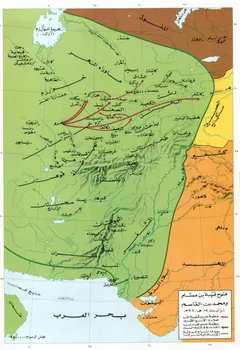
Indian Kings Repel Umayyad Advances in the West
In the 720s to 740s CE, Indian kings of the west, including Nāgabhaṭa I of the Pratihāras and Pulakeśin of the Chalukyas…
 724 CE
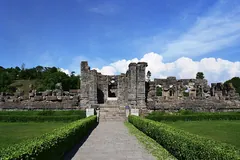
Lalitāditya Muktāpīḍa, Greatest King of Kashmir's Karkoṭas
Lalitāditya Muktāpīḍa ruled Kashmir from about 724 to 760 CE as the most powerful Karkoṭa king. Kalhaṇa's chronicle call…
 725 CE
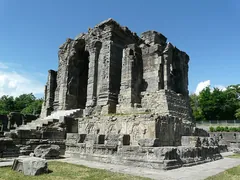
Mārtaṇḍa Sun Temple Rises in the Kashmir Valley
The Martand Sun Temple at Mattan, near Anantnag in Kashmir, dates to the eighth century CE and honoured Sūrya, also know…
 725 CE
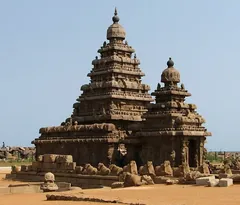
Shore Temple at Mamallapuram
The Shore Temple at Mahabalipuram is a granite complex of shrines facing the Bay of Bengal, built around 725 CE under th…
- 728 CE
Bappa Rawal and the Rise of Mewar
Bappa Rawal, also called Kālabhoja, is remembered in later chronicles and bardic tradition as the first great ruler of M…
- 730 CE
Nāgabhaṭa I Founds the Imperial Pratihāras
Nāgabhaṭa I, who ruled from about 730 to 760 CE, founded the imperial Gurjara-Pratihāra dynasty of northern India from h…
- 731 CE
Nandivarman II Pallavamalla Takes the Pallava Throne
Nandivarman II, also called Pallavamalla, ruled the Pallavas from about 731 to 796 CE. A boy prince from a collateral br…
 732 CE
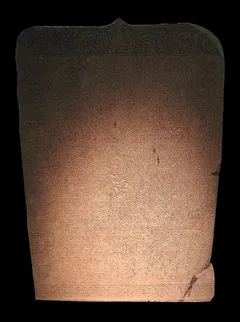
Canggal Inscription Proclaims Sañjaya King of Mataram
The Canggal inscription, a Sanskrit record dated 732 CE and found at Gunung Wukir in Central Java, announces that Sañjay…
 733 CE
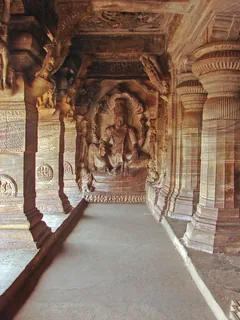
Vikramāditya II Takes Kāñcī Three Times
Vikramāditya II ruled the Bādāmi Chalukya realm from 733 to 744 CE. Inscriptions say he captured the Pallava capital Kāñ…
- 734 CE
Eklingji, Kuladevatā Shrine of Mewar
The Eklingji temple complex near Udaipur in Rajasthan is dedicated to Śiva as Ekaliṅga, the ruling deity of the Mewar ki…
 740 CE
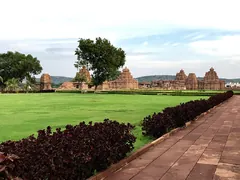
Pattadakal, Where Northern and Southern Temple Styles Meet
Pattadakal in northern Karnataka is a complex of seventh and eighth century Hindu and Jain temples built under the Chalu…
 746 CE
Vanarāja Founds Anahilapāṭaka, Capital of Gujarat
The city of Patan in northern Gujarat is traditionally founded in 746 by the Chāvaḍā king Vanarāja, and it became the se…
- 750 CE
Gopāla Chosen King, Founding the Pāla Dynasty of Bengal
Gopāla I founded the Pāla dynasty in Bengal and ruled from about 750 to 783. According to the tradition recorded about h…
- 750 CE
Rise of the Gurjara-Pratihāra Dynasty
The Gurjara-Pratihāras, later known as the Pratihāras of Kannauj, were a leading north Indian dynasty from the eighth ce…
- 750 CE
Haribhadra Suri, Jain Philosopher of Yoga and Doxography
Haribhadra Sūri was a Śvetāmbara Jain monk, philosopher and author who wrote on yoga and surveyed the doctrines of Hindu…
- 750 CE
Kalīla wa-Dimna Carries Indian Fables to Arabic
Kalīla wa-Dimna is a collection of animal fables derived from the Indian Pañcatantra, which spread across the Middle Eas…
- 750 CE
Vettuvan Koil, a Rock-Hewn Pāṇḍya Temple
Vettuvan Koil at Kalugumalai in Tamil Nadu is an unfinished eighth-century Śiva temple carved from the top of a hill by …
- 750 CE
Liṅga Purāṇa, Śaiva Compendium of the Eighteen
The Liṅga Purāṇa belongs to the eighteen Mahāpurāṇas and is a Śaiva work named for the liṅga, Śiva's aniconic symbol. It…
 750 CE
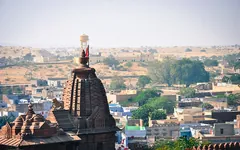
Osian, Desert Town of Hindu and Jain Temples
Osian is an oasis town north of Jodhpur in the Thar Desert, home to a cluster of Hindu and Jain temples built between th…
- 750 CE
Padmapāda, Early Disciple of Śaṅkara
Padmapāda, a direct disciple of Ādi Śaṅkara, is usually placed around the mid-eighth century. Tradition makes him first …
 750 CE
Rise of the Pāla Empire in Bengal
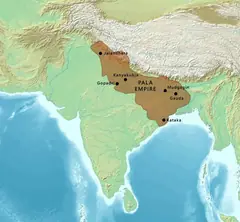
In the later eighth century the chiefs of Gauḍa chose Gopāla as their ruler, founding the Pāla dynasty of Bengal and Bih…
- 750 CE
Paśupatinātha Temple Anchors Śaiva Kathmandu
Paśupatinātha, on the Bāgmatī river in Kathmandu, is one of the holiest Śiva sanctuaries and a UNESCO World Heritage Sit…
- 750 CE
Śailendra Dynasty Patronises Buddhism in Java
The Śailendra dynasty emerged in eighth-century Java and is remembered as an Indianised royal house that promoted Mahāyā…
- 750 CE
Vijñāna-bhairava-tantra, a Manual of Contemplation
The Vijñāna-bhairava-tantra is a Kashmiri Śaiva text presented as a conversation between Bhairava and the goddess. In 16…
- 753 CE
Dantidurga Founds the Rāṣṭrakūṭa Power
Dantidurga, who reigned from 753 to 756 CE, founded the Rāṣṭrakūṭa empire of Mānyakheṭa. The Ellora record says that in …
 753 CE
Rise of the Rāṣṭrakūṭas of Mānyakheṭa
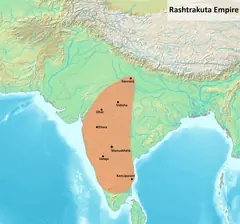
In 753 the Rāṣṭrakūṭa chief Dantidurga overthrew his Cālukya overlords and founded the empire later ruled from Mānyakheṭ…
 756 CE
Kailāsa Temple at Ellora
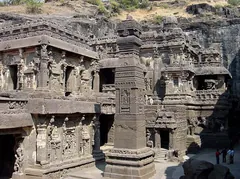
The Kailāsa temple, Cave 16 at Ellora in Maharashtra, is a monumental Hindu shrine cut downward out of a single basalt h…
- 760 CE
Śāntarakṣita Founds Samye Monastery in Tibet
Śāntarakṣita (725 to 788), a Madhyamaka philosopher trained at Nālandā, helped establish Buddhism in Tibet and founded S…
- 770 CE
Dharmapāla Makes the Pālas a Power in North India
Dharmapāla, second emperor of the Pāla dynasty and son of its founder Gopāla, greatly extended Pāla territory from Benga…
- 770 CE
Odantapuri, an Early Pāla Buddhist Mahāvihāra
Odantapuri, in present-day Bihar Sharif, was a major Buddhist monastic university thought to have been founded by the Pā…
 770 CE
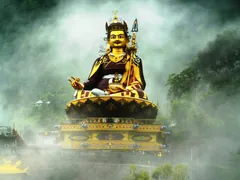
Padmasambhava, the Guru Who Brought Vajrayāna to Tibet
Padmasambhava, or Guru Rinpoche, is a semi-legendary tantric master of medieval India credited in Tibetan sources with e…
- 770 CE
Zīj al-Sindhind Brings Indian Astronomy to Baghdad
In the early 770s CE a Sanskrit astronomical work from India reached the court of the caliph al-Manṣūr in Baghdad and wa…
- 778 CE
Candi Kalasan, a Buddhist Temple in Central Java
Candi Kalasan is an eighth-century Buddhist temple in Central Java, close to Yogyakarta and the road to Prambanan. Its f…
- 780 CE
Bhauma-Kara Dynasty Rules Toṣala
The Bhauma-Kara dynasty governed Toṣala, a region covering parts of present-day Odisha, between the eighth and tenth cen…
- 780 CE
Dhruva Dhārāvarṣa Takes the Rāṣṭrakūṭa Throne
Dhruva Dhārāvarṣa ruled the Rāṣṭrakūṭa empire from about 780 to 793 CE, taking the throne from his older brother Govinda…
- 780 CE
Dieng Plateau Temples, Early Hindu Shrines of Java
The Dieng Plateau in Central Java, the island's highest plateau, holds some of the earliest Hindu temples built on Java.…
- 780 CE
The Nolamba Dynasty of Nolambavāḍi
The Nolambas, sometimes styled Nolamba-Pallavas, ruled parts of south-eastern Karnataka and neighbouring districts from …
- 780 CE
Vatsarāja Raises the Pratihara Kingdom
Vatsarāja ruled northern India from about 780 to 800 as the third Gurjara-Pratihara king. Great-nephew of Nagabhata I, h…
- 781 CE
Po Nagar, a Cham Goddess Tower at Nha Trang
Po Nagar is a Cham temple tower in the principality of Kauthara near present-day Nha Trang, Vietnam, founded sometime be…
 781 CE
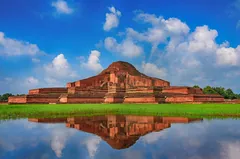
Somapura Mahāvihāra at Paharpur
Somapura Mahāvihāra, also called Paharpur Buddhist Vihara, is a large Mahāyāna and Vajrayāna monastery in Naogaon, Bangl…
- 785 CE
Three Empires Fight for Kannauj in the Tripartite Struggle
From about 785 to 816, the Gurjara-Pratiharas, the Palas of Bengal and the Rashtrakutas of the Deccan fought repeatedly …
 788 CE
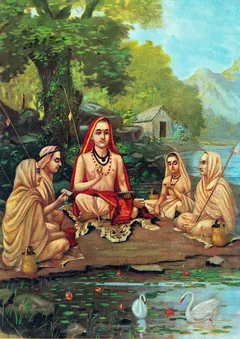
Ādi Śaṅkara and Advaita Vedānta
Ādi Śaṅkara, usually placed in the eighth century CE, was a scholar-monk and teacher of Advaita Vedānta whose commentari…
- 788 CE
Śivamāra II Rules the Western Gaṅgas
Śivamāra II, known as Saigotta Śivamāra, was the son of Śrīpuruṣa and held the Western Gaṅga throne between 788 and 816.…
- 793 CE
Govinda III Drives the Rashtrakuta Empire to Its Peak
Govinda III, who ruled the Rashtrakuta kingdom from about 793 until 814, followed his father Dhruva and is regarded as t…
- 800 CE
Agni Purāṇa, an Encyclopedic Mahāpurāṇa
The Agni Purāṇa is one of the eighteen major Purāṇas, a Sanskrit compendium of 382 or 383 chapters that treats an except…
 800 CE
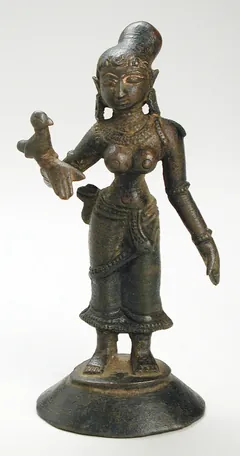
Āṇṭāḷ, the Woman Āḻvār
Āṇṭāḷ, also called Kōtai and Nācciyār, was a Tamil poet-saint active in the eighth century CE and the only woman among t…
 800 CE
The Bakhshali Mathematical Manuscript
The Bakhshali manuscript is a set of birch-bark leaves of mathematical rules and problems, found in 1881 at a village ne…
- 800 CE
Bogar, the Siddhar of Tamil Tradition
Bogar, or Bhogar, is remembered in Tamil tradition as one of the eighteen Siddhars, Śaiva adepts skilled in yoga, alchem…
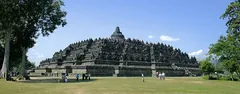 800 CE
Borobudur Rises in Central Java
Borobudur, a Mahāyāna Buddhist monument in Central Java, was built under the Śailendra dynasty around the eighth to nint…
- 800 CE
Daśanāmī Orders of Renunciant Monks
The Daśanāmī Sampradāya, or Tradition of Ten Names, is a Hindu monastic order of single-staff renunciants. Hagiographies…
- 800 CE
Gedong Songo, Hilltop Śiva Temples near Ungaran
Gedong Songo is a group of nine Hindu temples built on a hill near Mount Ungaran in Central Java, all dedicated to Śiva …
- 800 CE
Hastāmalaka, Disciple of Śaṅkara
Hastāmalaka, placed around the eighth century, is remembered as a disciple of the Advaita philosopher Ādi Śaṅkara. Tradi…
- 800 CE
Jāgeśvar Valley, Himalayan Cluster of Śiva Temples
Jāgeśvar, near Almora in Uttarakhand, is a Śaiva pilgrimage town whose valley holds about 125 ancient temples dated betw…
- 800 CE
Jayarāśi Bhaṭṭa, Radical Sceptic of Indian Philosophy
Jayarāśi Bhaṭṭa was an Indian philosopher active around 800 to 840 CE, probably in southern India, famous for radical sc…
- 800 CE
Kāmākhyā Temple, Śākta Centre on Nīlācala Hill
The Kāmākhyā temple on the Nīlācala hill in Guwahati, Assam, ranks among the most ancient and honoured Śākta shrines and…
- 800 CE
Kanchi Kāmakoṭi Pīṭha and Its Founding Claim
The Kanchi Kāmakoṭi Pīṭha in Kanchipuram is a centre of Vedic learning and Advaita tradition that credits its founding t…
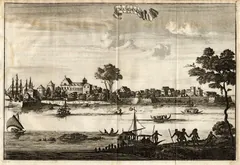 800 CE
Kodungallur, Gateway of the Malabar Coast and Mahodayapuram
Kodungallur, on the Periyar river in Kerala, was a port known in different periods as Muziris, Vanchi and Mahodayapuram.…
- 800 CE
Lalitā Sahasranāma, the Thousand Names of the Goddess
The Lalitā Sahasranāma is a Sanskrit hymn listing the thousand names of the Goddess Lalitā, sacred especially in Śāktism…
- 800 CE
The Mahāsiddhas and Tantric Adepts
Mahāsiddhas, 'great adepts', were yogic and tantric practitioners of early medieval India, remembered in songs of realis…
- 800 CE
Maṇḍana Miśra, Mīmāṃsā Scholar and Advaitin
Maṇḍana Miśra was a ninth-century philosopher who wrote on Mīmāṃsā and Advaita. A defender of the sphoṭa doctrine of lan…
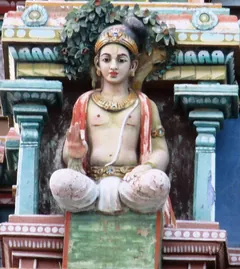 800 CE
Nammāḻvār, Foremost of the Āḻvār Poet-Saints
Nammāḻvār is traditionally counted fifth among the twelve Āḻvār saints of Tamil Nadu and is the central mystic of Śrī Va…
- 800 CE
The Padma Purāṇa Takes Shape
The Padma Purāṇa is among the eighteen principal Purāṇas, a vast compilation named after the lotus from which Brahmā app…
- 800 CE
Śālikanātha and the Prābhākara School of Mīmāṃsā
Śālikanātha was a Pūrva Mīmāṃsā philosopher of about 800 CE who followed Prabhākara and opposed the school of Kumārila B…
- 800 CE
The Śilāhāra Dynasty of Konkan and Kolhapur
The Śilāhāras ruled parts of western India between the eighth and thirteenth centuries, first as Rāṣṭrakūṭa vassals. The…
- 800 CE
Mukhalingam, Temple Capital of the Eastern Gangas
Mukhalingam, a village on the Vamsadhara River in Srikakulam district of Andhra Pradesh, was the early capital of the Ea…
- 800 CE
Cheraman Perumal Nayanar and the Journey to Kailasa
Cheraman Perumal Nayanar was a Chera king and poet among the sixty-three Tamil Śaiva saints, linked in tradition with th…
- 800 CE
Sundarar, Tamil Poet-Saint of Śiva
Sundarar, also called Cuntarar or Nampi Ārūran, was an eighth-century Tamil poet-saint of the Śaiva tradition and one of…
- 800 CE
Sureśvara, Disciple of Śaṅkara
Sureśvara, also called Sureśvarācārya, was a ninth-century philosopher and a pupil of Śaṅkara. Tradition says Śaṅkara pl…
- 800 CE
Teli ka Mandir Rises Within Gwalior Fort
The Teli ka Mandir stands inside Gwalior Fort in Madhya Pradesh and has been dated between the early eighth and early ni…
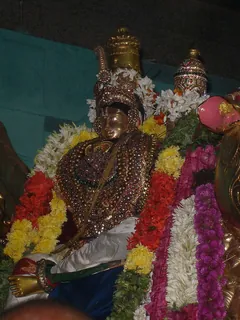 800 CE
Tirumaṅgai Āḻvār, Last of the Twelve Āḻvārs
Tirumaṅgai Āḻvār is the last of the twelve Āḻvār saints of the Tamil Vaiṣṇava tradition and is esteemed among the most l…
- 800 CE
Unakoṭi, Rock Carvings of Śaiva Tripura
Unakoṭi, or Subrai Khung, is a Śaiva site in Tripura with rock-cut sculptures of gods and goddesses, assigned on stylist…
- 800 CE
Vāmana Purāṇa Takes Shape
The Vāmana Purāṇa is one of the eighteen major Purāṇas, named after Viṣṇu's dwarf incarnation yet now centred on Śiva. I…
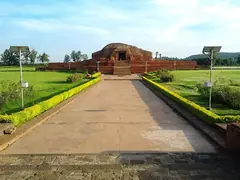 800 CE
Founding of Vikramaśīla Mahāvihāra
Vikramaśīla, a great Buddhist monastic university in present-day Bihar, was founded by the Pāla king Dharmapāla around t…
- 800 CE
Vivekacūḍāmaṇi, the Crest-Jewel of Discernment
The Vivekacūḍāmaṇi is an Advaita Vedānta poem in the śārdūlavikrīḍita metre, traditionally ascribed to Śaṅkara. Most mod…
- 802 CE
Jayavarman II Founds the Khmer Realm
In 802 CE, Jayavarman II had himself consecrated as universal monarch on Mount Kulen, an event Khmer tradition treats as…
- 802 CE
Jayavarman II and the Founding of the Khmer Empire
The Khmer Empire, called Kambuja by its people, is conventionally dated from 802 CE, when Jayavarman II proclaimed his s…
- 814 CE
Amoghavarṣa I Reigns as a Rāṣṭrakūṭa Emperor
Amoghavarṣa I, Rāṣṭrakūṭa emperor from 814 to 878 CE, ruled for sixty-four years, one of the longest precisely dated rei…
- 820 CE
Govardhana Maṭha at Puri, Eastern Seat of Advaita
The Govardhana Pīṭha in Puri, Odisha, is the eastern of four monastic seats that Advaita tradition ascribes to Śaṅkara a…
- 820 CE
Harṣat Mātā Temple at Abhaneri
The Harṣat Mātā temple at Abhaneri in Rajasthan was built in the early ninth century beside the Chand Baori stepwell. Pl…
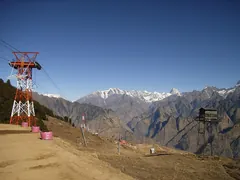 820 CE
Jyotirmaṭh, Northern Seat of Ādi Śaṅkara in the Himalaya
Jyotirmaṭh, now Joshimath in Uttarakhand, is a Himalayan town and gateway to Badrinath. Tradition counts it among the fo…
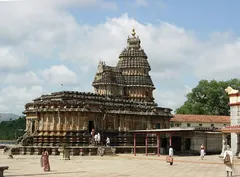 820 CE
Śṛṅgeri Śāradā Pīṭha, the Southern Monastery
The Śṛṅgeri Śāradā Pīṭha, in Chikmagalur district of Karnataka, is the southern of the four cardinal monasteries of the …
- 820 CE
Toṇṭaraṭippoṭi, the Āḻvār of Garland and Dust
Toṇṭaraṭippoṭi Āḻvār, born as Vipranārāyaṇa, is counted as the tenth of the twelve Vaiṣṇava Āḻvār poet-saints of South I…
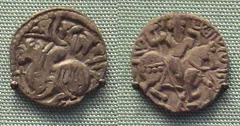 822 CE
The Hindu Shahis Rule Kabul, Gandhāra and Punjab
The Hindu Shahis, also called the Kabul or Odi Shahis, ruled Kabulistan, Gandhāra and the Punjab from about 822 to 1026 …
- 825 CE
Kollam Era Begins the Malayalam Calendar
The Kollam Era, or Malayalam calendar, is a star-based solar calendar of Kerala whose origin is dated to 825 CE. Recent …
- 836 CE
Mihira Bhoja Builds the Pratihara Empire
Mihira Bhoja ruled the Gurjara-Pratihara realm from about 836 to 885. Inheriting a weakened state, he expanded it into a…
- 844 CE
Chera Perumals of Makotai Govern Kerala
The Chera Perumal dynasty ruled much of present-day Kerala from Mahodayapuram, identified with Kodungallur, between abou…
- 844 CE
Kulasekhara Āḻvār, Royal Poet of Kerala
Kulaśekhara is counted among the twelve Vaiṣṇava Āḻvārs and is credited with the Tamil Perumāḷ Tirumoḻi and the Sanskrit…
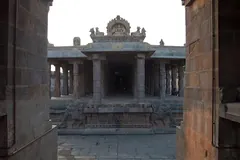 848 CE
Rise of the Imperial Cholas
The Cholas were an ancient Tamil dynasty of the Kaveri delta, already named in Aśokan inscriptions of the third century …
- 850 CE
Bhāskara and the Bhedābheda Reading of Vedānta
Bhāskara, an Indian philosopher of the 8th to 9th century CE, was an early proponent of the Bhedābheda school of Vedānta…
- 850 CE
Chand Baori, the Great Stepwell of Abhaneri
Chand Baori, in the Rajasthan village of Abhaneri, is among the deepest and largest stepwells in India. Dated to the eig…
- 850 CE
Chausaṭh Yoginī Temples, Open-Air Shrines of Tantric Goddesses
The Yoginī temples of India are roofless, open-air shrines of the ninth to twelfth centuries dedicated to yoginīs, femal…
- 850 CE
Chola Temples and the Art of the Bronze Image
During the imperial Chola period, roughly 850 to 1250, South India saw sustained refinement in art and architecture. Cho…
- 850 CE
Jayanta Bhaṭṭa, Nyāya Logician at the Kashmir Court
Jayanta Bhaṭṭa was a Kashmiri logician, poet and adviser to King Śaṅkaravarman in the later ninth century. A thinker of …
- 850 CE
Rise of Kashmir Śaivism
Kashmir Śaivism is a modern label for the non-dual Śaiva-Śākta tantric traditions that produced a rich Sanskrit exegetic…
- 850 CE
Kavirājamārga, the Earliest Kannada Poetics
The Kavirājamārga, from about 850 CE, is the oldest surviving work on poetics and grammar in Kannada. Associated with th…
- 850 CE
Mahāvīrācārya Writes the Gaṇita-sāra-saṅgraha
The Jain mathematician Mahāvīrācārya, who may have been born near Mysore, composed the Gaṇita-sāra-saṅgraha around 850 C…
- 850 CE
Mahoba, Chandela Capital and Its Sun Temple
Mahoba, in the Bundelkhand region of Uttar Pradesh, is known as a capital of the Chandela dynasty and for its granite Su…
- 850 CE
Māṇikkavācakar, the Śaiva Poet of the Tiruvācakam
Māṇikkavācakar was a Tamil Śaiva saint and poet, author of the Tiruvācakam and the Tirukkōvaiyār, hymns of longing for G…
- 850 CE
Vijayālaya Coḻīśvaram at Narthamalai
The Vijayālaya Coḻīśvaram at Narthamalai in Tamil Nadu is a small rock-cut and stone Śiva shrine, often counted among th…
- 850 CE
Pandrethan Śiva Temple in a Kashmir Spring Tank
The Pandrethan Śiva temple near Srinagar is a small stone shrine standing in the middle of a water tank fed by a spring.…
- 850 CE
Periyāḻvār, Foster Father of Āṇḍāḷ
Periyāḻvār, also called Viṣṇucittar, belongs to the twelve Āḻvār poet-saints of Tamil Vaiṣṇavism and was active around t…
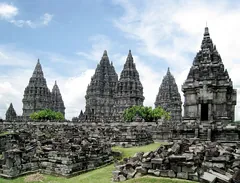 850 CE
Prambanan, Java's Great Temple to the Trimūrti
Prambanan, a ninth-century Hindu temple compound near Yogyakarta in Java, is dedicated to the Trimūrti of Brahmā, Viṣṇu …
- 850 CE
Nammāḻvār Composes the Tiruvāymoḻi
The Tiruvāymoḻi is a Tamil devotional work of 1,102 verses, written during the ninth century CE by Nammāḻvār, ranked fir…
- 850 CE
Vijayālaya Cōḻa Founds the Imperial Cōḻa Line
Vijayālaya Cōḻa, who ruled from 850 to 871 CE, was the founder of the Imperial Cōḻa dynasty that succeeded the Early Cōḻ…
- 855 CE
Ānandavardhana and the Theory of Suggestion
Ānandavardhana was a Kashmiri court poet and critic of the ninth century who served under King Avantivarman. His Dhvanyā…
- 855 CE
Avantivarman Founds the Utpala Dynasty of Kashmir
Avantivarman became king of Kashmir in 855 and founded the Utpala dynasty, ruling until his death on 11 June 883. He bui…
- 866 CE
Gopala II, a Pala King Known from Copper Plates
Gopala II ruled the Pala realm in Bengal and Bihar from about 866 to 870, following Shurapala I. Historians knew nothing…
- 871 CE
Āditya I Chola Conquers the Pallavas
Āditya I, son of Vijayālaya, ruled the Cholas in the late ninth and early tenth century. By defeating the Pallavas and t…
- 875 CE
Bhoganandīśvara Temple Complex at Nandi
The twin Bhoganandīśvara and Aruṇācaleśvara temples at Nandi in Karnataka, dedicated to Śiva, date from the ninth or ten…
- 879 CE
Battle of Tirippurambiyam and the Chola Revival
Around 879 a confederacy of Pallavas, Western Gaṅgas and Cholas fought the Pandya king Varaguṇavarman II at Tirippurambi…
- 879 CE
Nepal Sambat Begins in the Kathmandu Valley
Nepal Sambat is a lunisolar calendar of the Newar people that began on 20 October 879. It served as Nepal's official cal…
- 881 CE
Bakong, Indravarman's Temple-Mountain at Hariharālaya
Bakong, completed around 881 at Roluos near Angkor in Cambodia, was the first major sandstone temple-mountain of the Khm…
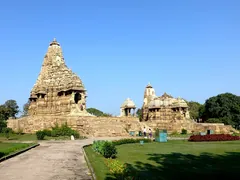 885 CE
Chandela temples of Khajuraho
The Khajuraho monuments in Madhya Pradesh comprise Hindu temples alongside Digambara Jain shrines, raised mostly between…
- 885 CE
Mahendrapāla I Rules from Kannauj
Mahendrapāla I of the Gurjara-Pratihāra dynasty reigned at Kannauj from 885 to 910 over a large part of northern India. …
- 889 CE
Yaśodharapura Founded as the First Angkor
King Yaśovarman I founded Yaśodharapura in the late ninth century, with the hilltop temple of Phnom Bakheng at its core.…
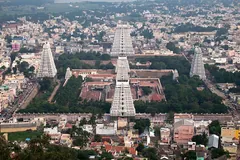 900 CE
Annamalaiyar Temple Rises Beneath the Fire Hill
The Annamalaiyar Temple at Tiruvannamalai, in Tamil Nadu, honours Śiva as the Fire Liṅga at the foot of Mount Aruṇācala.…
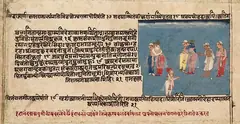 900 CE
Bhāgavata Purāṇa
The Bhāgavata Purāṇa, one of the eighteen Mahāpurāṇas, is a central scripture of Vaiṣṇavism devoted to bhakti toward Kṛṣ…
- 900 CE
Cīvaka Cintāmaṇi, Jain Epic of Tamil Literature
Cīvaka Cintāmaṇi ranks among the Five Great Epics of Tamil, composed in the early tenth century by the Jain ascetic Tiru…
- 900 CE
The Nālāyira Divya Prabandham Is Compiled
The Nālāyira Divya Prabandham, 'Four Thousand Divine Hymns', gathers Tamil verses by the twelve Āḻvārs, who lived betwee…
- 900 CE
Composition of the Garuḍa Purāṇa
The Garuḍa Purāṇa, one of the eighteen Mahāpurāṇas, was probably composed during the first millennium CE and expanded ov…
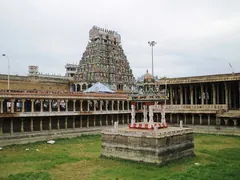 900 CE
Jambukeswarar Temple, Shrine of Water at Thiruvanaikaval
Near Tiruchirappalli in Tamil Nadu, the Jambukeswarar temple is dedicated to Śiva and counted among the five great Śaiva…
- 900 CE
Old Javanese Kakawin Rāmāyaṇa Composed in Central Java
The Kakawin Rāmāyaṇa is an Old Javanese poem retelling the Sanskrit epic in kakawin metre, written in Central Java in th…
- 900 CE
Kubjikā and the Western Transmission
Kubjikā, also called Vakreśvarī, is the presiding goddess of the Kaula Paścimāmnāya, the Western Transmission, a tantric…
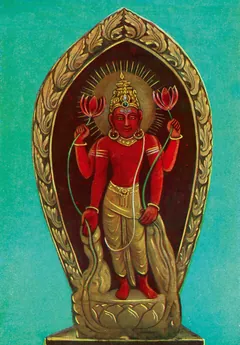 900 CE
Matsyendranātha, Guru of the Nāth Yogis
Matsyendranātha, active in the early tenth century, is a saint and yogi revered in Buddhist and Hindu traditions as revi…
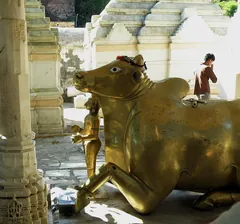 900 CE
Achaleshwar Mahadev Temple Beneath Achalgarh
The Achaleshwar Mahadev temple stands near Achalgarh fort in Sirohi district, Rajasthan, on the slopes of Mount Abu. Tra…
- 900 CE
Nagavanshi Dynasties of Many Regions
Nagavanshi is a collective label for several ruling lineages that traced their descent to the mythical Nagas. Branches g…
- 900 CE
Nāgeśvara Temple at Kumbakonam
The Nāgeśvarasvāmī temple in Kumbakonam, dedicated to Śiva, is praised in the Tevāram hymns and counts among the earlies…
- 900 CE
Nārada Bhakti Sūtra, an Aphoristic Guide to Devotion
The Nārada Bhakti Sūtra is a short collection of aphorisms on devotional love of God, attributed to the sage Nārada. Ven…
- 900 CE
Nāradīya Purāṇa, a Viṣṇu-Centred Compendium
The Nāradīya Purāṇa is a Sanskrit text counted among the eighteen major Purāṇas, with a related Bṛhannāradīya upapurāṇa.…
- 900 CE
The Pāla Dynasty Takes Kāmarūpa
The Pāla dynasty of Kāmarūpa ruled in Assam from about the tenth century and was the last ruling line of that kingdom. I…
 900 CE
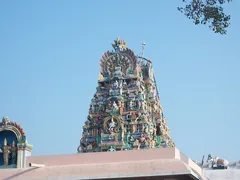
Palani's Hilltop Shrine of Murugan
The Dhaṇḍāyudhapāṇi Swāmī temple crowns a hillock in the Palani Hills of Dindigul district, Tamil Nadu, and counts among…
- 900 CE
Phnom Bakheng Crowns the Hill of Yaśodharapura
Phnom Bakheng is a hilltop temple-mountain at Angkor, built at the end of the ninth century under King Yaśovarman. Origi…
- 900 CE
Rasaśāstra, the Indian Art of Mercurial Medicine
Rasaśāstra is the branch of Indian medicine that purifies and combines mercury, metals and minerals with herbs for treat…
- 900 CE
Shaiva Siddhanta Finds Its Tamil Form
Shaiva Siddhanta is a dualist school of Śaiva thought centred in South India and Sri Lanka. It draws on the Tamil devoti…
- 900 CE
Somānanda and the Śivadṛṣṭi
Somānanda, who lived from about 875 to 925, was a Kashmiri householder-teacher who wrote the Śivadṛṣṭi, the first philos…
- 900 CE
The Somavaṃśī Dynasty Governs Odisha
The Somavaṃśī, or Keśarī, dynasty ruled parts of present Odisha from about the ninth to the twelfth century from capital…
 900 CE
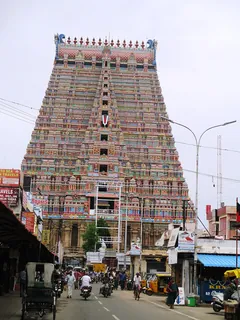
Srirangam: Temple Island of Ranganātha
On an island between the Kaveri and Kollidam rivers, the Ranganātha temple at Srirangam grew over many centuries into on…
 900 CE
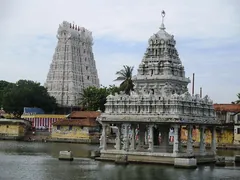
Sthanumalayan Temple at Suchindram, Where Three Gods Meet
The Sthanumalayan Temple at Suchindram, in the far south of Tamil Nadu, honours Śiva, Viṣṇu and Brahmā together in a sin…
 900 CE
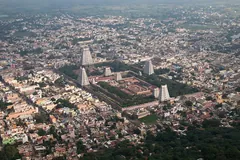
Tiruvannamalai and the Annamalaiyar Temple
Tiruvannamalai in Tamil Nadu is a pilgrimage city built around the Arulmigu Annamalaiyar Temple and the Annamalai hill. …
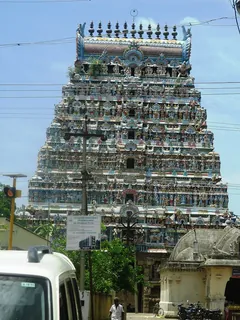 900 CE
Mahālingeśvara Temple at Tiruvidaimarudur
The Mahālingeśvara Temple at Tiruvidaimarudur in Tamil Nadu is counted among the seven major Śiva temples of the Śaiva t…
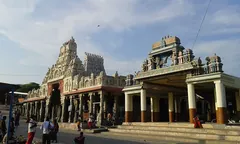 900 CE
Tiruchendur, Murugan's Shore Temple
The Subramanya Swamy temple at Tiruchendur on the Tamil Nadu coast ranks among the six principal shrines of Murugan. Set…
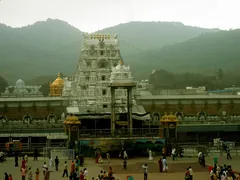 900 CE
Venkateswara Temple on the Seven Hills of Tirumala
The Venkateswara temple crowns the seventh peak of the Tirumala range in Andhra Pradesh. Devotees see its deity as Vishn…
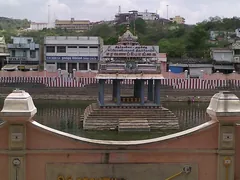 900 CE
Tiruttani, the Hill Shrine of Murugan
The Subramaniya Swamy temple on a hill at Tiruttani in Tiruvallur district, Tamil Nadu, ranks among the six sacred abode…
- 900 CE
Upapurāṇas, the Secondary Purāṇas
The Upapurāṇas are a large family of Sanskrit compilations styled as secondary to the eighteen Mahāpurāṇas. A few may be…
- 900 CE
Vācaspati Miśra Harmonises Advaita and the Schools
Vācaspati Miśra, a ninth- or tenth-century Advaita Vedānta philosopher, wrote commentaries on texts of almost every phil…
- 900 CE
Vaḷaiyāpati, a Lost Tamil Epic
Vaḷaiyāpati, meaning Unbending Man, ranks among the five major Tamil epics yet survives only in scraps quoted by comment…
- 900 CE
The Varāha Purāṇa and Its Layered Text
The Varāha Purāṇa is a Vaishnava Sanskrit text praising Viṣṇu in his boar form, with chapters also devoted to Śiva and Ś…
- 907 CE
Parāntaka I Extends Chola Power
Parāntaka I came to the Chola throne in 907 and reigned until 955. He conquered the Pandya country, pushed Chola authori…
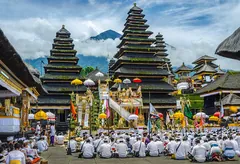 914 CE
Balinese Hinduism Takes Root in Bali
Balinese Hinduism, practised mostly on the Indonesian island of Bali, grew from a long blending of local beliefs with Hi…
- 914 CE
Indra III Ascends the Rashtrakuta Throne
Indra III ruled the Rashtrakuta empire from 914 until his death in 929, succeeding his father Jagattunga, who died young…
- 925 CE
Utpaladeva and the Philosophy of Recognition
Utpaladeva, active around 900 to 950, was a Kashmiri Śaiva philosopher and poet of the Trika tradition. His Īśvarapratya…
- 928 CE
Koh Ker Becomes the Khmer Capital
From 928 to 944, under Jayavarman IV and then Harṣavarman II, the remote site of Koh Ker in northern Cambodia served as …
- 939 CE
Kṛṣṇa III, Last Great Rāṣṭrakūṭa Emperor
Kṛṣṇa III ruled the Rāṣṭrakūṭa empire from 939 to 967 and is regarded as its last great warrior-king. He campaigned wide…
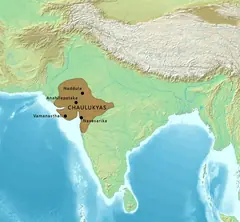 940 CE
Chaulukya (Solanki) Dynasty of Gujarat
The Chaulukyas, also called Solankis, ruled much of Gujarat and parts of Rajasthan from about 940 to 1244 CE, with their…
- 941 CE
Mūlarāja Founds the Chaulukya Kingdom of Gujarat
Mūlarāja, who reigned from about 941 to 996, founded the Chaulukya or Solanki dynasty of Gujarat. After displacing the l…
- 941 CE
Pampa, the First Poet of Kannada
Pampa, a tenth-century Jain poet, wrote the Vikramārjunavijaya and the Ādipurāṇa, both in the champū style, around 939 C…
- 941 CE
Pampa's Vikramārjuna Vijaya in Kannada
Pampa, the Jain court poet of the Chalukya feudatory Arikesari II, completed the Vikramārjuna Vijaya about 941. This Kan…
- 945 CE
Ponna, Poet-Laureate of the Rāṣṭrakūṭa Court
Ponna was a Kannada poet at the court of the Rāṣṭrakūṭa emperor Kṛṣṇa III around 945. Honoured with the title Ubhaya Kav…
- 948 CE
The Paramāra Dynasty Rules Malwa from Dhārā
The Paramāra dynasty governed Mālwā and neighbouring lands from 948 to 1305. Beginning as Rāṣṭrakūṭa subordinates, they …
- 949 CE
Prince Rajaditya Falls at Takkolam
In 948-949 a Chola force led by crown prince Rajaditya met the Rashtrakuta king Krishna III at Takkolam. Rajaditya was k…
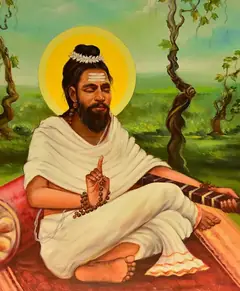 950 CE
Abhinavagupta of Kashmir
Abhinavagupta (c. 950–1016 CE) was a Kashmiri philosopher, mystic and theorist of aesthetics whose wide learning touched…
- 950 CE
Āryabhaṭa II and the Mahā-Siddhānta
Āryabhaṭa II, an Indian mathematician and astronomer who lived around 920 to 1000, wrote the Mahā-Siddhānta. The number …
- 950 CE
Baroli Temple Complex in the Gurjara-Pratihāra Style
The Baroli or Badoli temple complex in Chittorgarh district, Rajasthan, groups eight temples inside a walled enclosure w…
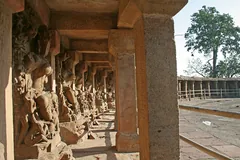 950 CE
Chausath Yogini Temple Above the Narmada
Perched on a hill over the Narmada near Jabalpur, the circular Chausath Yogini temple at Bhedaghat, also called Golaki M…
 950 CE
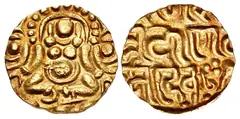
Rise of the Candellas of Jejākabhukti
The Candella dynasty of Jejākabhukti, in today's Bundelkhand, began as vassals of the Gurjara-Pratīhāras and became a so…
 950 CE
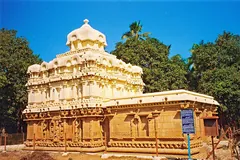
Koranganatha Temple at Srinivasanallur
The Koranganatha Temple at Srinivasanallur, near Tiruchirappalli, was built by the medieval Cōḻas and dedicated to Raṅga…
- 950 CE
Kuṇṭalakēci, a Tamil Buddhist Epic
Kuṇṭalakēci is a Tamil Buddhist epic by Nātakuttaṉār, probably of the tenth century. Only fragments survive, preserved i…
- 950 CE
Madan Kamdev Ruins in Kāmarūpa
Madan Kamdev, at Baihata Chariali in Kamrup district, Assam, is an archaeological site of temple ruins from the ninth to…
- 950 CE
Śrīvaiṣṇavism Takes Shape in the Tamil South
Śrīvaiṣṇavism is a Vaiṣṇava tradition of South India that reveres Lakṣmī and Viṣṇu together. It draws on the Āḻvārs' hym…
- 953 CE
Dhaṅga of the Chandelas Builds at Khajuraho
Dhaṅga, who ruled about 953 to 999, made the Chandela dynasty of Bundelkhand fully sovereign after generations as vassal…
 954 CE
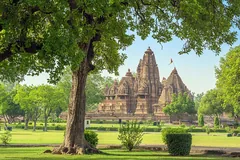
Yashovarman's Lakshmana Temple Rises at Khajuraho
Built by the Chandela king Yashovarman around the middle of the tenth century, the Lakshmana Temple at Khajuraho is dedi…
- 958 CE
Sundara Chola Rebuilds Chola Fortunes
Parantaka II, called Sundara Chola, reigned from 958 to 973 CE over a kingdom shrunk to a small principality. He defeate…
- 959 CE
Somadeva Sūri and the Yaśastilaka
Somadeva Sūri was a Digambara Jain monk of the tenth century, documented as active in the south between 959 and 966. He …
- 961 CE
Pre Rup Dedicated as Rājendravarman's State Temple
Pre Rup, a Hindu temple-mountain at Angkor, was built for the Khmer ruler Rājendravarman as his state temple, with conse…
 964 CE
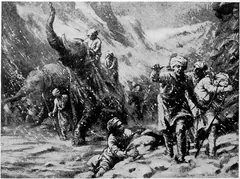
Jayapāla of the Hindu Śāhi Dynasty
Jayapāla ruled the Hindu Śāhi kingdom from 964 until 1001. His domain covered the northwest between Lamghan, Kashmir, Si…
- 966 CE
Bhaṭṭotpala Comments on Varāhamihira
Bhaṭṭotpala, an astronomer-astrologer from Kashmir active in the tenth century, wrote Sanskrit commentaries that preserv…
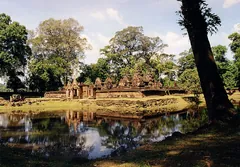 967 CE
Banteay Srei, the Jewel of Khmer Art
Banteay Srei is a tenth-century Cambodian temple to Śiva and Pārvatī near Angkor, built of red sandstone and richly carv…
- 970 CE
Sembiyan Mahādevī, Chola Queen and Temple Patron
Sembiyan Mahādevī was queen of the Chola ruler Gaṇḍarāditya and mother of Uttama Chola. After her husband's death she de…
- 971 CE
Uttama Chola Takes the Throne
Uttama, also called Madhurāntaka, ruled the Chola realm in present-day Tamil Nadu from 971 to 985. The Tiruvalangadu pla…
- 973 CE
Western Chalukya Empire Rises at Kalyāṇa
Around 973 the Western Chalukyas, a Kannada dynasty also called the Kalyāṇi Chalukyas, took advantage of Rashtrakuta dis…
- 980 CE
Queen Diddā Rules Kashmir in Her Own Right
Diddā, born around 924, governed Kashmir as regent from 958 and as sole monarch from 980 until her death in 1003. The la…
- 981 CE
Chavundaraya Raises the Colossus of Bahubali
In 981 the Jain minister and commander Chavundaraya, serving the Western Ganga kings, commissioned the giant monolithic …
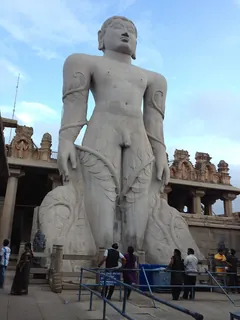 981 CE
Bāhubali Colossus at Shravanabelagola
Bāhubali, son of the first Jain tīrthaṅkara Ṛṣabhanātha, is revered in Jainism for twelve years of motionless meditation…
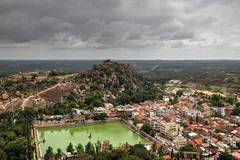 981 CE
Gommateśvara Rises at Śravaṇabelagola
At Śravaṇabelagola in Karnataka, the colossal Gommateśvara Bāhubali statue was consecrated in 981 under Western Gaṅga pa…
- 985 CE
Rājarāja I and the Rise of Chola Power
Rājarāja I, born Arulmozhi Varman, ruled the Chola empire from 985 to 1014 CE. His campaigns brought much of southern In…
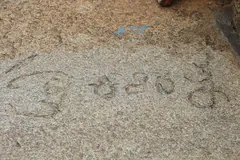 990 CE
Ranna, Gem of Classical Kannada Poetry
Ranna, who lived from about 949 to 1020, is one of the 'three gems' of early Kannada literature with Pampa and Ponna. A …
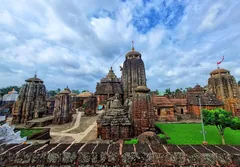 1000 CE
Bhubaneswar, the Temple City of Kalinga
Bhubaneswar in Odisha earned the name Temple City for its many Kaliṅga-style temples, a large share built between the si…
- 1000 CE
Brahmavaivarta Purāṇa, Text of Radha and Kṛṣṇa
The Brahmavaivarta Purāṇa is a large Sanskrit Vaiṣṇava text centred on Rādhā and Kṛṣṇa. An earlier version may have exis…
- 1000 CE
The Chola Maritime Force
The Cholas of the Tamil country used ships for moving armies overseas, but kept no standing navy in the modern sense, us…
- 1000 CE
Devī Bhāgavata Purāṇa and the Goddess as Supreme
The Devī Bhāgavata Purāṇa is a Sanskrit text in twelve books that places the Goddess, Mahādevī, at the centre of creatio…
- 1000 CE
Dharmasthala, the Temple Town of Manjunatha
Dharmasthala, once called Kuduma, is a temple town on the Nethravathi River in Dakshina Kannada, Karnataka. Its old shri…
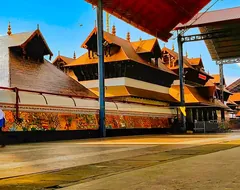 1000 CE
Guruvayur, Krishna's Great Temple of Kerala
Guruvayur Temple, in Thrissur district of Kerala, is dedicated to Guruvayurappan, a form of Kṛṣṇa-Viṣṇu. Roughly 26 kilo…
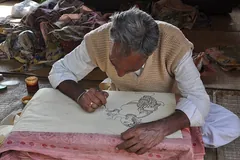 1000 CE
Kalamkari Painting at Srikalahasti
Kalamkari is a textile art of Andhra Pradesh in which natural dyes are applied to cloth through many stages of preparati…
- 1000 CE
The Kālikā Purāṇa of Kāmarūpa
The Kālikā Purāṇa is one of the eighteen minor Purāṇas of the Śākta tradition, probably composed between Assam and Koch …
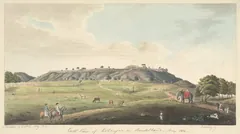 1000 CE
Kalinjar Fort, Hilltop Capital of the Chandelas
Kalinjar Fort crowns a lone rocky height where the Vindhya range ends to the east and served as a military capital of th…
- 1000 CE
Kārttikai Dīpam, the Festival of Lamps
Kārttikai Dīpam is a festival of lights observed mostly by Tamils and Malayalis on the full-moon day of the month of Kār…
 1000 CE
Kollur Mookambika, the Goddess Temple Below Kodachadri
The Mookambika Temple at Kollur in coastal Karnataka is a major shrine of the Mother Goddess, set on the Souparnika rive…
- 1000 CE
Kṣemarāja and the Heart of Self-Recognition
Kṣemarāja, a Kashmiri philosopher of the late tenth and early eleventh century and a pupil of the great Abhinavagupta, w…
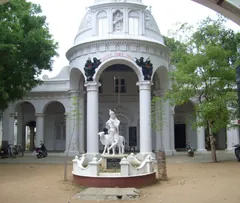 1000 CE
Kumbakonam, the Temple City of the Kaveri
Kumbakonam, in Thanjavur district, is called the temple city for its many Hindu shrines and for the Mahamaham festival h…
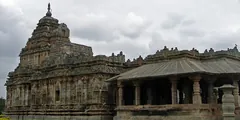 1000 CE
Lakkundi, the Temple Town of the Later Chalukyas
Lakkundi, now a village in Karnataka's Gadag district, was by the tenth century a busy commercial hub with its own mint.…
- 1000 CE
Mayamata, the Treatise Credited to Maya
The Mayamata is a Sanskrit treatise on architecture and building, attributed by tradition to the sage-architect Maya. Ta…
- 1000 CE
Murudeshwara and the Śiva Temple Above the Sea
Murudeshwara is a coastal town in Uttara Kannada, Karnataka, set on a promontory washed by the Arabian Sea. Its Śiva tem…
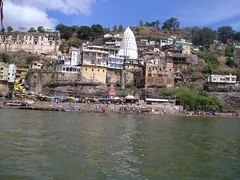 1000 CE
Omkareshwar, Jyotirlinga on the Narmada
Omkareshwar is a Śiva temple on Mandhata island in the Narmada river in Madhya Pradesh, counted as one of the twelve Jyo…
- 1000 CE
Sabarimala, the Hill Shrine of Ayyappan
Sabarimala is a hill temple in Pathanamthitta district, Kerala, where the deity Dharma Sastha is worshipped as Ayyappan,…
- 1000 CE
Śiva Purāṇa Takes Written Form
The Śiva Purāṇa, one of the eighteen major Purāṇas, centres on Śiva and Pārvatī. It grew through repeated revision rathe…
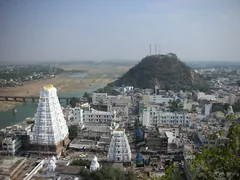 1000 CE
Srikalahasti, the Wind Temple of the South
Srikalahasti, in what is now Tirupati district of Andhra Pradesh, is a Śaiva temple where Śiva is worshipped as Kalahast…
- 1000 CE
Sthala Purāṇa, Temple Legends of Sacred Places
A sthala purāṇa is a religious account that tells the history and sanctity of a Hindu temple or of the region around it.…
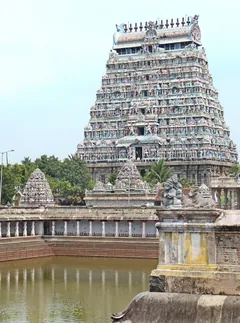 1000 CE
Chidambaram's Nataraja Temple in Chola Times
The Nataraja temple at Chidambaram, dedicated to Śiva as lord of the dance, took much of its present form under the Chol…
- 1000 CE
Tirukkaṭavūr, Pilgrimage for Long Life
Tirukkaṭavūr, a coastal village in Tamil Nadu, is known for the Amṛtaghaṭeśvara and Abhirāmī temple, where devotees pray…
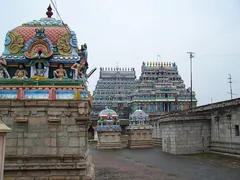 1000 CE
Tyāgarāja Temple at Tiruvārūr
The Tyāgarāja temple at Tiruvārūr in Tamil Nadu is a vast Śiva complex, praised in the seventh-century Tēvāram hymns. It…
- 1000 CE
The Tirumurai, Tamil Śaiva Hymns Gathered into a Canon
The Tirumurai is a twelve-volume collection of Tamil hymns in praise of Śiva, composed between the sixth and eleventh ce…
- 1000 CE
Udayana Defends Reason and the Existence of God
Udayana, a Nyāya philosopher of about 975 to 1050 CE, used logic to argue for God's existence against Buddhist and mater…
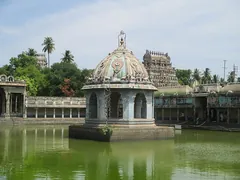 1000 CE
Vaitheeswaran Koil, Shrine of the Healing Lord
Vaitheeswaran Koil near Mayiladuthurai in Tamil Nadu is a Śiva temple where the god is worshipped as Vaidyanātha, lord o…
- 1000 CE
Yāmunācārya Leads the Śrī Vaiṣṇava Tradition
Yāmunācārya, also called Āḷavandār, was a Viśiṣṭādvaita philosopher at Śrīraṅgam in Tamil Nadu and a teacher of Rāmānuja…
- 1000 CE
Yoga Vāsiṣṭha: A Philosophical Dialogue Between Vasiṣṭha and Rāma
The Yoga Vāsiṣṭha, also called the Mokṣopāya, is a long Sanskrit philosophical work credited to Vālmīki. It presents tea…
- 1001 CE
Battle of Peshawar and the Defeat of Jayapāla
On 27 November 1001 Maḥmūd of Ghazna defeated Jayapāla of the Hindu Shahi dynasty near Peshawar. Jayapāla was captured a…
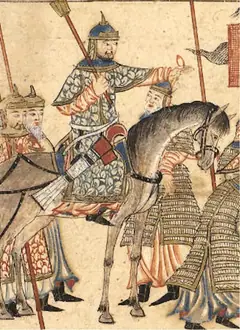 1001 CE
Mahmud of Ghazni's Campaigns into India
Mahmud, who ruled the Ghaznavid realm between 998 and 1030, led repeated military expeditions into the Indian subcontine…
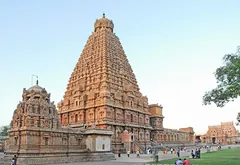 1003 CE
Bṛhadīśvara Temple, Thanjavur
The Bṛhadīśvara temple at Thanjavur, originally called Rājarājeśvaram, is a granite Śaiva shrine built by the Cōḻa emper…
- 1003 CE
The Lohara Dynasty Takes the Throne of Kashmir
The Lohara dynasty governed Kashmir and neighbouring regions from 1003 until about 1175. Its early decades are described…
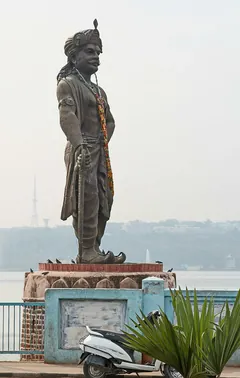 1010 CE
Reign of Bhoja, Paramāra King of Mālwa
Bhoja ruled the Paramāra kingdom of Mālwa from Dhārā for roughly 1010 to 1055 CE. A warrior king who campaigned against …
- 1010 CE
Chand Dynasty Rules Kumaon
The Chand dynasty governed Kumaon in present-day Uttarakhand after the Katyuri kingdom declined, sometimes extending int…
- 1014 CE
Rājendra Cōḻa I and Chola maritime power
Rājendra I, son of Rājarāja I, ruled the Chola Empire from 1014 to 1044 and carried it to its greatest reach. His campai…
- 1014 CE
Maḥmūd of Ghazna Raids Thānesar
Around 1014 Maḥmūd of Ghazna raided Thānesar, the sacred city of the Kurukshetra region, and plundered its Cakrasvāmin t…
- 1019 CE
Airlangga Restores the Javanese Kingdom of Kahuripan
Airlangga, born in Bali in 1002, crossed to Java in his youth and rebuilt the kingdom once ruled by his uncle after the …
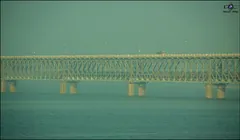 1022 CE
Rājamahendravaram Named for Rājarāja Narendra
Rajahmundry, renamed Rajamahendravaram in 2015, takes its name from the Eastern Chalukya ruler Rājarāja Narendra, who re…
- 1025 CE
Rājendra Chola's Naval Expedition to Srivijaya
In 1025 CE the Chola emperor Rājendra I sent a naval force against Srivijaya in maritime Southeast Asia, raiding places …
- 1025 CE
Durgasiṃha Renders the Pañcatantra into Kannada
Durgasiṃha, a minister of the Western Chalukya king Jayasiṃha II, adapted the Pañcatantra fables into Kannada champu ver…
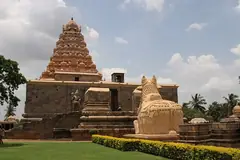 1025 CE
Gaṅgaikoṇḍa Cōḻapuram, New Chola Capital
Around 1025 the Chola emperor Rājendra I founded Gaṅgaikoṇḍa Cōḻapuram, in today's Ariyalur district of Tamil Nadu, as h…
 1025 CE
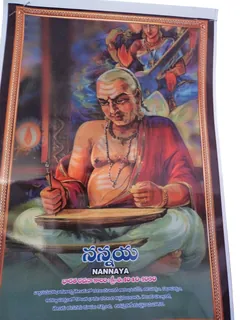
Nannaya Begins the Telugu Mahābhārata
Nannaya, regarded as the first poet of Telugu, began the Andhra Mahābhāratamu around 1025 CE at the request of King Rāja…
 1026 CE
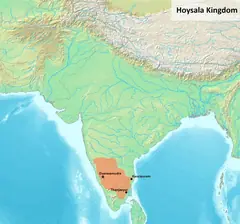
Hoysala kingdom
The Hoysalas, rising from the Malnad hills of Karnataka, ruled most of present-day Karnataka with parts of Tamil Nadu an…
 1026 CE
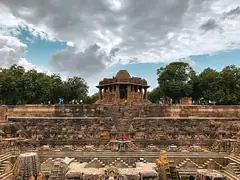
Sun Temple at Modhera
The Sun Temple at Modhera in Gujarat's Mehsana district, dedicated to Sūrya, was built in the eleventh century under the…
 1026 CE
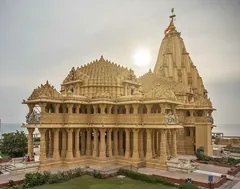
Mahmud of Ghazni Sacks Somnāth
The Somnāth temple at Prabhas Patan in Gujarat, first of the twelve jyotirliṅga shrines of Śiva, was attacked by Mahmud …
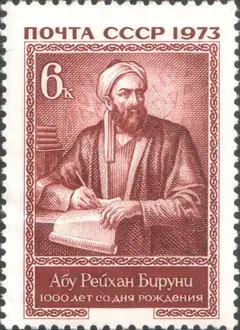 1030 CE
Al-Bīrūnī completes his study of India
Around 1030 the Khwarazmian polymath al-Bīrūnī finished his Tārīkh al-Hind, a detailed account of Indian religion, scien…
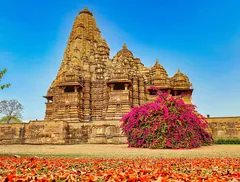 1030 CE
Chandela Builders Raise the Kandariya Mahādeva
The Kandariya Mahādeva at Khajuraho, raised in the Chandela period around 1030, is the largest and most elaborately carv…
- 1031 CE
Dilwara Jain Temples of Mount Abu
The Dilwara temples near Mount Abu in Rajasthan are a group of Śvetāmbara Jain shrines celebrated for their brilliant wh…
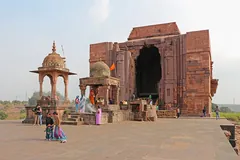 1035 CE
The Unfinished Bhojeśvara Temple of Bhojpur
The Bhojeśvara Temple at Bhojpur in Madhya Pradesh, dedicated to Śiva, was begun around the eleventh century under the P…
- 1035 CE
Bhojaśālā at Dhar, Seat of Learning of King Bhoja
Bhojaśālā at Dhar in Madhya Pradesh is a complex said to have been founded in the eleventh century under the Paramāra ki…
- 1039 CE
Śrīpati Composes the Dhīkoṭida-karaṇa
Śrīpati (c. 1019 to 1066) was an Indian astronomer, astrologer and mathematician. In 1039 he wrote the Dhīkoṭida-karaṇa,…
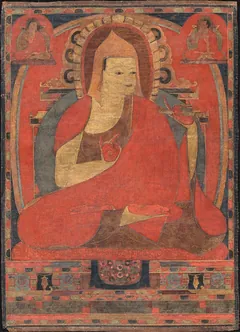 1040 CE
Atiśa Dīpaṃkara Revives Buddhism in Tibet
Atiśa Dīpaṃkara Śrījñāna, a Bengali Buddhist teacher associated with Vikramaśīla monastery, travelled to Sumatra and the…
- 1040 CE
Kṣemendra, Satirist and Polymath of Kashmir
Kṣemendra, who lived in the eleventh century, was a Kashmiri poet, satirist, dramatist and critic. He is remembered for …
- 1041 CE
Kalachuris of Tripuri Reach Their Zenith
The Kalachuris of Tripuri, a dynasty of central India with its capital near modern Jabalpur, reached their greatest powe…
- 1041 CE
Lakṣmīkarṇa of the Kalachuris Claims Imperial Title
Lakṣmīkarṇa, the most famous Kalachuri king of Tripurī, ruled from about 1041 to 1073 and took the title Cakravartin aro…
- 1044 CE
Rājādhirāja Chola Falls in Battle at Koppam
Rājādhirāja I, who reigned about 1044 to 1052 CE after his father Rājendra I, was the only Chola emperor to die while le…
- 1045 CE
Pura Besakih, the Mother Temple of Bali
Pura Besakih, high on Bali's Mount Agung, is regarded as the island's greatest and holiest sanctuary within Balinese Hin…
- 1050 CE
Kavitrayam Render the Mahabharata into Telugu
The Andhra Mahabharatam is the Telugu version of the Mahabharata, composed by three poets known as the Kavitrayam: Nanna…
 1050 CE
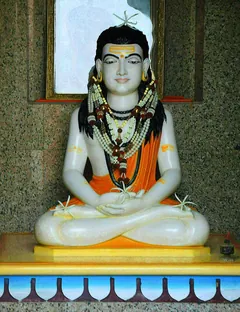
Gorakhnāth, Founder of the Nāth Yogic Movement
Gorakhnāth, active around the early eleventh century, is regarded as the founder of the Nāth monastic movement and a dis…
- 1050 CE
Gunung Kawi, the Rock-Cut Royal Shrines of Tampaksiring
Gunung Kawi, known as a royal valley of Bali, is an eleventh-century funerary complex at Tampaksiring in Bali. Ten shrin…
 1050 CE
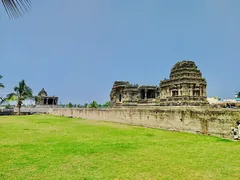
Kasivisvesvara Temple at Lakkundi
The Kasivisvesvara temple at Lakkundi in Karnataka, built in the eleventh century, is regarded as a fine example of the …
- 1050 CE
Preah Vihear, the Cliff-Top Sanctuary of the Dângrêk
Preah Vihear is a Khmer temple on a cliff 525 metres high in the Dângrêk Mountains, begun as a Hindu shrine and later a …
- 1050 CE
Samarāṅgaṇasūtradhāra, Bhoja's Treatise on Architecture
The Samarāṅgaṇasūtradhāra is an eleventh-century Sanskrit verse treatise on vāstu and architecture, attributed to the Pa…
- 1052 CE
Rājendra II Takes the Chola Throne After Koppam
Rājendra II became Chola emperor in May 1052 after his brother Rājādhirāja I fell at the Battle of Koppam. He had earlie…
 1053 CE
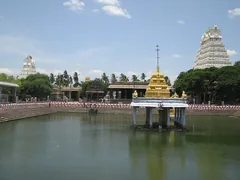
Varadarāja Perumāḷ Temple at Kāñcīpuram
The Varadarāja Perumāḷ Temple, in the Viṣṇu Kāñcī quarter of Kāñcīpuram, is one of the 108 Divya Deśams of Viṣṇu praised…
- 1060 CE
Cakrapāṇi Datta, Bengali Commentator on Āyurveda
Cakrapāṇi Datta was a Bengali scholar and physician of the eleventh century who became renowned for his commentaries on …
 1063 CE
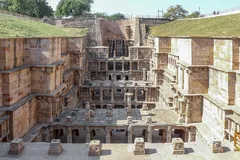
Rani ki Vav Stepwell at Patan
Rani ki Vav, the Queen's Stepwell at Patan in Gujarat, was built in the late eleventh century and is credited to Udayama…
- 1063 CE
Vīrarājendra Chola Takes the Throne
Vīrarājendra, son of Rājendra I, became Chola emperor in 1063 after serving his elder brothers. His rule of under ten ye…
- 1070 CE
Kulottuṅga Chola I Unites the Chola and Chalukya Crowns
Kulottuṅga Chola I, born Rājendra, reigned over the Cholas from 1070 to 1122 after serving as Eastern Chalukya king. Des…
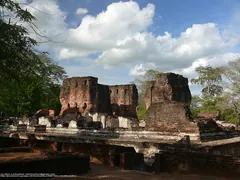 1070 CE
Polonnaruwa: From Chola Jananathamangalam to Sinhalese Capital
Polonnaruwa in Sri Lanka began as a Sinhalese military post and was renamed Jananathamangalam after the Cholas conquered…
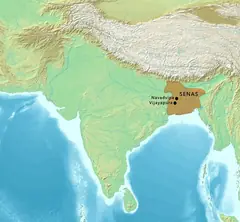 1070 CE
The Sena Dynasty of Bengal
The Senas were a Hindu dynasty that followed the Pālas and governed much of eastern India from Bengal between the late e…
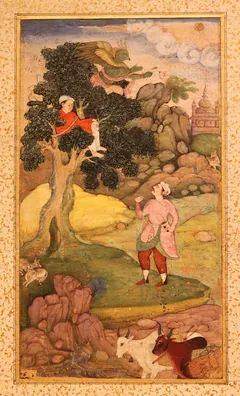 1070 CE
Somadeva Retells Stories in the Kathāsaritsāgara
In the eleventh century the Kashmiri Śaiva poet Somadeva composed the Kathāsaritsāgara, 'Ocean of Story Rivers', a Sansk…
- 1070 CE
Vetala Tales Gathered in the Kathasaritsagara
The Vetala Panchavimshati, or Twenty-five Tales of the Vetala, is a Sanskrit story collection within a frame narrative. …
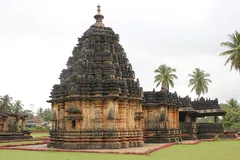 1076 CE
Vikramāditya VI, Great Western Chalukya Emperor
Vikramāditya VI was the Western Chalukya emperor from 1076 to 1126, the longest and most distinguished reign of his dyna…
- 1077 CE
Rāmānuja and Viśiṣṭādvaita
Rāmānuja (c. 1077 to 1157), philosopher, teacher and reformer, is the foremost exponent of Śrī Vaiṣṇavism and of Viśiṣṭā…
- 1078 CE
Anantavarman Chodagaṅga Takes the Kalinga Throne
Anantavarman Chodagaṅga, born of Gaṅga and Chola parentage, ruled the Kalinga country for over seventy years from 1078 t…
- 1085 CE
Bilhaṇa, Kashmiri Poet of Royal Courts
Bilhaṇa was an eleventh-century Sanskrit poet from Kashmir who travelled across India and won patronage from the Kalacur…
- 1088 CE
Hemacandra, Polymath of Jain Gujarat
Hemacandra, born around 1088, was a Śvetāmbara Jain monk whose grammar, dictionaries, poetry and histories made him one …
- 1090 CE
Gāhaḍavāla Kingdom of Kannauj and Banaras
The Gāhaḍavāla dynasty, a Rajput line, ruled parts of Uttar Pradesh and Bihar in the eleventh and twelfth centuries from…
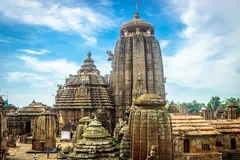 1090 CE
Liṅgarāja Temple, Bhubaneswar
The Liṅgarāja Temple is the largest and most celebrated Śiva temple in Bhubaneswar, Odisha, and a high point of Kaliṅga …
- 1090 CE
Vijñāneśvara Writes the Mitākṣarā
The Mitākṣarā is a legal commentary on the Yājñavalkya Smṛti composed by Vijñāneśvara for the Kalyāṇī Chalukya royal cou…
- 1092 CE
Jayasiṃha Siddharāja Raises Gujarat to Power
Jayasiṃha, who took the title Siddharāja, ruled the Chaulukya kingdom of Gujarat from about 1092 to 1142 from Aṇahilapāṭ…
- 1097 CE
Nānyadeva Founds the Karṇāṭa Dynasty of Mithilā
Nānyadeva founded the Karṇāṭa dynasty of Mithilā in 1097, ruling Tirhut and adjoining parts of south-eastern Nepal from …
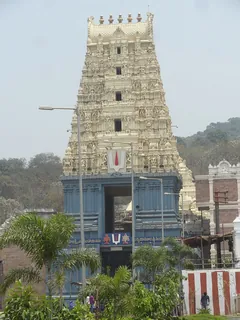 1098 CE
Varāha Narasiṃha Shrine on Simhachalam Hill
The Simhachalam temple near Visakhapatnam enshrines Viṣṇu as Varāha Narasiṃha, a combined boar and man-lion form. Inscri…
- 1100 CE
Amṛtasiddhi, the Earliest Haṭha Yoga Manual
The Amṛtasiddhi, composed in a Buddhist milieu around the eleventh century, is regarded as the earliest haṭhayoga text. …
- 1100 CE
Ashtavinayaka Yatra, Pilgrimage of Eight Gaṇeśas
Aṣṭavināyaka means eight Gaṇeśas. The Ashtavinayaka Yatra is a pilgrimage to eight temples in Maharashtra, mostly around…
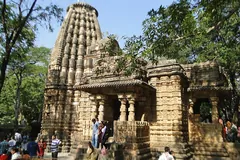 1100 CE
Bhoramdeo Temples, the Khajuraho of Chhattisgarh
The Bhoramdeo complex in Chhattisgarh groups four temples, the oldest of brick and the principal one of stone, dedicated…
- 1100 CE
Jīmūtavāhana's Dāyabhāga on Inheritance
The Dāyabhāga is a Hindu legal treatise by Jīmūtavāhana on inheritance, which became the principal authority for Bengal …
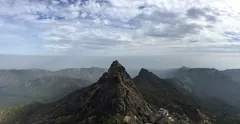 1100 CE
Girnar, Mountain of Jain Pilgrimage in Junagadh
Girnar, a hill complex above Junagadh in Gujarat, is a leading Jain pilgrimage centre. Tradition holds that Neminātha, t…
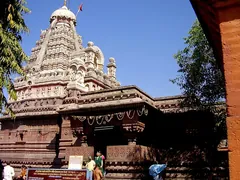 1100 CE
Grishneshwar, the Jyotirlinga Beside the Ellora Caves
The Grishneshwar temple at Verul in Maharashtra is a Shiva shrine counted as the last of the twelve Jyotirlingas. It sta…
- 1100 CE
Hoysala Temple Architecture Matures
Hoysala architecture is the temple style that developed in Karnataka under the Hoysala Empire between the eleventh and f…
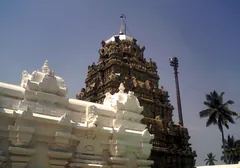 1100 CE
Srikurmam Temple Rebuilt by the Eastern Gangas
Srikurmam, near Srikakulam in Andhra Pradesh, is a village named for its temple to Viṣṇu in his Kūrma, or tortoise, form…
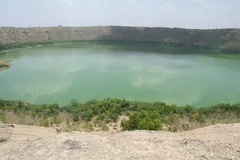 1100 CE
Lonar Lake and Its Ring of Temples
Lonar in Maharashtra holds a saline lake inside a meteorite impact crater formed in basalt, found nowhere else in India.…
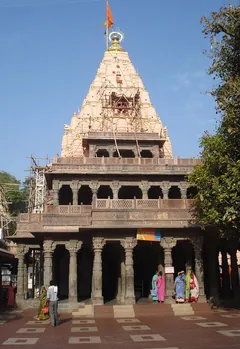 1100 CE
Mahākāleśvara, Jyotirliṅga Beside the Śiprā at Ujjain
The Mahākāleśvara temple at Ujjain, on the Śiprā river in Madhya Pradesh, is counted among the twelve Jyotirliṅgas of Śi…
- 1100 CE
Melukote, a Śrī Vaiṣṇava Centre on the Yādavagiri
Melukote in Mandya district, Karnataka, rises on rocky hills over the Kāverī valley and is a prominent Śrī Vaiṣṇava cent…
- 1100 CE
The Nāth Sampradāya Takes Shape as a Śaiva Order
The Nāth Sampradāya is a Śaiva tradition of India and Nepal that emerged by the twelfth and thirteenth centuries, blendi…
- 1100 CE
Palitana, the City of Jain Temples
The Palitana complex on Śatruñjaya hill in Gujarat holds almost 900 shrines and is among the holiest places of Śvetāmbar…
- 1100 CE
Pandharpur, Seat of Viṭhobā on the Bhīmā
Pandharpur, on the Chandrabhāgā river in Solapur district, is the heart of the Vārkarī devotional movement of Maharashtr…
- 1100 CE
Parāśara Bhaṭṭar and the Śrī Vaiṣṇava Tradition
Parāśara Bhaṭṭar, who lived from 1062 to 1174, was a Śrī Vaiṣṇava teacher and the son of Kūrattāḻvār. A follower of Rāmā…
- 1100 CE
Phanom Rung, a Khmer Sanctuary on an Extinct Volcano
Phanom Rung is a Khmer temple complex in Buriram Province, Thailand, built of sandstone and laterite on the rim of an ex…
- 1100 CE
Rāma Kulaśekhara, Last of the Medieval Cheras
Rāma Kulaśekhara, the final king of the medieval Chera line in Kerala, briefly regained the Kollam–Trivandrum–Nagercoil …
 1100 CE
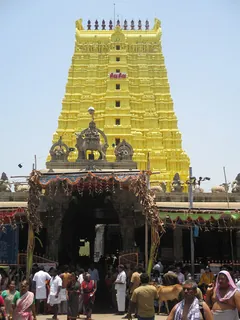
Ramanathaswamy Temple Takes Shape on Rameswaram Island
On Rameswaram island in Tamil Nadu stands the Ramanathaswamy Temple, a Śiva shrine counted among the twelve Jyotirlingas…
 1100 CE
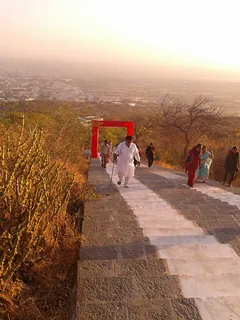
Shatrunjaya, Hill of Jain Temples at Palitana
Shatrunjaya, a hill range beside the Shetrunji River near Palitana in Gujarat, is regarded as the holiest pilgrimage sit…
- 1100 CE
Siddhatek and the Siddhivināyaka Shrine
Siddhatek, a town on the Bhīmā river in Ahmednagar district, Maharashtra, houses the shrine of Siddhivināyaka, the right…
- 1100 CE
Vidyākara and the Subhāṣitaratnakoṣa Anthology
Vidyākara, living about 1050 to 1130, was a Buddhist scholar who compiled the Subhāṣitaratnakoṣa, often called the most …
- 1100 CE
Vithoba, the Brick-Standing Lord of Pandharpur
Vithoba, also called Viṭṭhala or Panduranga, is a form of Kṛṣṇa worshipped mainly in Maharashtra and Karnataka. Shown as…
- 1110 CE
Viṣṇuvardhana Enlarges the Hoysala Kingdom
Viṣṇuvardhana, also known as Bittideva, ruled the Hoysalas from 1108 to 1152. He won back lands around Talakāḍu from the…
 1112 CE
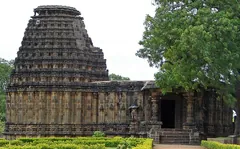
Doddabasappa Temple Built at Dambal
The Doddabasappa temple at Dambal in Karnataka, dated to 1112, is a Śiva shrine of the Western Chalukya period. Its sanc…
- 1113 CE
Ajmer, the Heart of Rajasthan
Ajmer, set among the Aravalli hills of Rajasthan, is the administrative seat of its district and division. Its central p…
- 1113 CE
Angkor Wat Built by Sūryavarman II
Angkor Wat in Cambodia was raised between 1113 and 1150 CE under King Sūryavarman II of the Khmers, first as a Hindu shr…
- 1114 CE
Bhāskara II, Bhāskarācārya
Bhāskara II (c. 1114–1185), known as Bhāskarācārya, was a mathematician and astronomer whose work marks the high point o…
 1117 CE
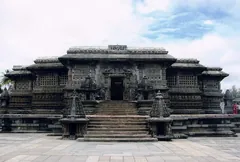
Chennakeśava Temple at Belur
In 1117 CE the Hoysaḷa king Viṣṇuvardhana commissioned the Chennakeśava Temple at Belur, his early capital beside the Ya…
 1121 CE
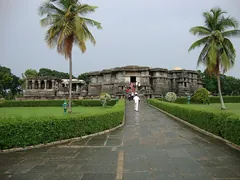
Hoysaleśvara Temple Rises at Halebidu
The Hoysaleśvara temple at Halebidu in Karnataka was begun around 1121 CE under King Viṣṇuvardhana and was complete by a…
- 1126 CE
Someśvara III, Scholar-King of Kalyāṇa
Someśvara III ruled the Western Chalukya kingdom from 1126 to 1138 as successor to Vikramāditya VI. He supported Śaiva m…
- 1129 CE
Someśvara III Compiles the Mānasollāsa
The Mānasollāsa, also called Abhilaṣitārthacintāmaṇi, is an encyclopaedic Sanskrit work by the Kalyāṇa Chalukya king Som…
- 1130 CE
Akka Mahādevi, Mystic Poet of the Vīraśaivas
Akka Mahādevi, a Kannada poet and mystic of the twelfth century, belonged to the Vīraśaiva movement. Around 430 of her v…
 1130 CE
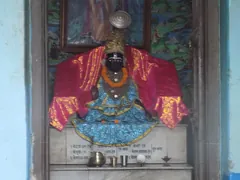
Nimbārka and the Dvaitādvaita Philosophy
Nimbārka, a Bhāgavata theologian born in a southern Telugu Brahmin family, taught Dvaitādvaita, a view of dualistic non-…
 1130 CE
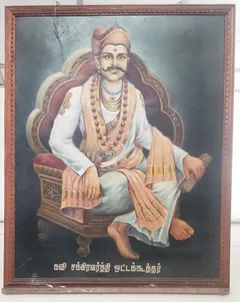
Ottakoothar, Court Poet of Three Later Chola Kings
Ottakoothar, active around the twelfth century, was a Tamil court poet and minister who served the Later Chola kings Vik…
- 1135 CE
Arṇorāja Defeats the Ghaznavids Near Ajmer
Arṇorāja, who ruled the Śākambharī Cāhamāna kingdom from about 1135 to 1150, defeated the Ghaznavid king Bahrām Shāh nea…
- 1140 CE
Rudra Mahālaya at Siddhpur, a Chaulukya Temple Complex
The Rudra Mahālaya at Siddhpur in Gujarat was begun under Mūlarāja in 943 and finished under Jayasiṃha Siddharāja in 114…
 1148 CE
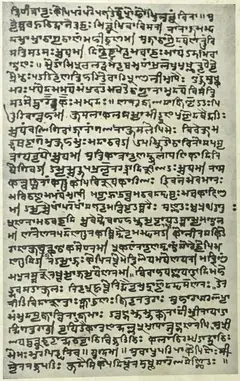
Kalhaṇa Composes the Rājataraṅgiṇī
The Rājataraṅgiṇī, or 'River of Kings', is a Sanskrit verse chronicle of the rulers of Kashmir written by the Kashmiri h…
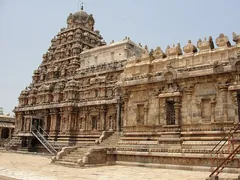 1150 CE
Airāvateśvara Temple Rises at Dārāsuram
The Airāvateśvara Temple at Dārāsuram near Kumbakonam in Tamil Nadu was built by the Chola emperor Rājarāja II in the tw…
- 1150 CE
Allama Prabhu, Mystic Poet of the Lingayat Movement
Allama Prabhu was a twelfth-century Kannada vachana poet and a leading saint of the Lingayat movement in Karnataka. Coun…
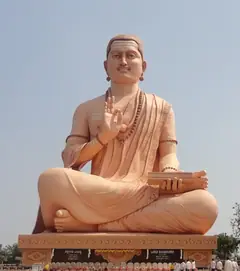 1150 CE
Basava and the Liṅgāyat Movement
Basava (c. 1131 to 1196), also called Basavaṇṇa and Basaveśvara, was a Kannada poet-philosopher and Śaiva bhakti reforme…
- 1150 CE
Dalhaṇa's Commentary on the Suśruta Saṃhitā
Dalhaṇa was a medieval commentator on the Suśruta Saṃhitā, an early Indian medical treatise. His commentary, the Nibandh…
- 1150 CE
Kambar's Irāmāvatāram, the Tamil Rāmāyaṇa
Kambar's Irāmāvatāram, popularly the Kamba Rāmāyaṇam, is a Tamil retelling of Vālmīki's Rāmāyaṇa written in the 12th cen…
- 1150 CE
Emergence of the Liṅgāyat Tradition in Karnataka
The Liṅgāyats are a Śaiva community known for carrying a personal liṅga, the iṣṭaliṅga, and for rejecting caste hierarch…
- 1150 CE
Sekkiḻār Composes the Periya Purāṇam
The Periya Purāṇam, composed by Sekkiḻār in the twelfth century under the Chola king Kulottunga II, is a Tamil poem on t…
- 1150 CE
Tulja Bhavani Temple Founded at Tuljapur
The Tulja Bhavani temple at Tuljapur in Maharashtra, dedicated to the goddess Bhavānī, is attributed to the twelfth cent…
- 1150 CE
Vacana Sāhitya of the Śaraṇa Movement
Vacana sāhitya is Kannada prose-poetry of the eleventh and twelfth centuries, created by Lingāyat saints of the Śaraṇa m…
- 1150 CE
Vigraharāja IV Makes the Cāhamānas an Empire
Vigraharāja IV, also called Visaladeva, ruled the Cāhamāna kingdom from about 1150 to 1164 and is regarded as one of its…
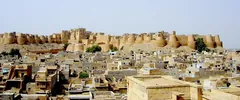 1156 CE
Jaisalmer Fort Rises in the Thar Desert
Jaisalmer Fort in Rajasthan was built in 1156 by Rāwal Jaisal, who gave it his name. A living fort whose yellow sandston…
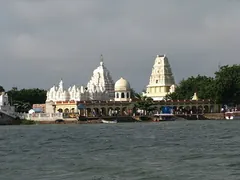 1156 CE
Bijjala Seizes Power at Kalyāṇa
In 1156 the viceroy Bijjala took control of Kalyāṇa from the Western Chalukya king Taila III, beginning a brief Kalachur…
- 1157 CE
Bijjala II Claims Imperial Titles in the Deccan
Bijjala II, who lived from 1130 to 1167, began as a governor under the Western Chalukyas of Kalyani and the best known a…
- 1160 CE
Ballāla Sena Ends Pāla Rule and Consolidates Bengal
Ballāla Sena, who reigned from 1160 to 1178, was the Sena dynasty's second king, governing Bengal. Son of Vijayasena, he…
- 1160 CE
Basavanna Convenes the Anubhava Mantapa
The Anubhava Mantapa, or hall of experience, was founded by the reformer Basavanna at Basavakalyan in the twelfth centur…
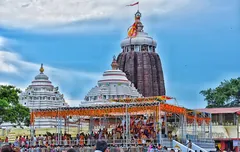 1161 CE
Chodagangadeva Begins the Great Jagannath Temple at Puri
The present Jagannath Temple at Puri, on Odisha's coast, was begun in the early twelfth century under Anantavarman Choda…
- 1162 CE
Channabasavanna Succeeds to the Anubhava Mantapa Seat
Channabasavanna, nephew of Basavanna, was a leading Sharana of the twelfth-century Lingayat movement. Around 1162, after…
- 1163 CE
The Kākatīya Dynasty Rules the Eastern Deccan from Orugallu
The Kākatīyas were a Telugu dynasty who governed most of the eastern Deccan between the twelfth and fourteenth centuries…
- 1163 CE
Thousand Pillar Temple at Hanamkonda
The Thousand Pillar Temple, or Rudreśvara Svāmī temple, at Hanamkonda in Telangana is a triple-shrine temple honouring Ś…
- 1165 CE
Paramardi, Last Great Chandela King
Paramardi ruled the Chandela kingdom of Jejakabhukti, in Bundelkhand, from about 1165 to 1203. He was the last strong Ch…
 1170 CE
Jayadeva Composes the Gītagovinda
The Gītagovinda is a Sanskrit lyrical poem by the 12th-century poet Jayadeva on the love of Kṛṣṇa and Rādhā among the co…
- 1170 CE
Jayacandra of Kannauj Falls to the Ghurids
Jayacandra, the last powerful Gāhaḍavāla king, ruled the Gangetic heartland from Kannauj and Varanasi from 1170 and was …
- 1173 CE
Vīra Ballāla II Raises the Hoysalas to Their Peak
Vīra Ballāla II, who ruled from 1173 to 1220, was the most notable Hoysala king. By overcoming the Yādavas at Devagiri, …
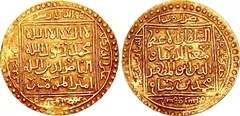 1175 CE
Muḥammad of Ghor's campaigns in India
Muʿizz al-Dīn Muḥammad ibn Sām, known as Muhammad of Ghor, was a Ghurid ruler from central Afghanistan who led the dynas…
- 1175 CE
Śrīharṣa Composes the Naiṣadhīyacarita
Śrīharṣa wrote the Naiṣadhīyacarita, a Sanskrit poem on the life of Nala, king of Niṣadha, in the court of the Gāhaḍavāl…
- 1178 CE
Chaulukyas Repel Muḥammad of Ghor at Kāsahrada
In 1178, near Mount Abu in present-day Rajasthan, Chaulukya forces under Mūlarāja II routed an invading Ghurid army led …
- 1178 CE
Kulottunga III Steadies the Late Chola State
Kulottunga III ruled the Chola kingdom from 1178 to 1218 after his brother Rajadhiraja II. He won campaigns against the …
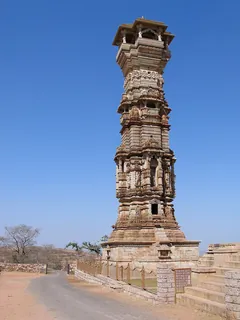 1179 CE
Kīrti Stambha Rises at Chittorgarh
The Kīrti Stambha is a 22-metre, seven-storey Jain tower in Chittor Fort, Rajasthan, built between about 1179 and 1191 b…
- 1180 CE
Alha and Udal, Ballad Heroes of Bundelkhand
The Alha Khand is a body of oral ballads in Bhojpuri, Bagheli and other dialects that celebrates Alha and Udal, two lege…
- 1180 CE
Kamban Composes the Tamil Rāmāyaṇa
Kamban, a Tamil poet who lived from about 1180 to 1250, wrote the Irāmāvatāram, known popularly as the Kambarāmāyaṇam, a…
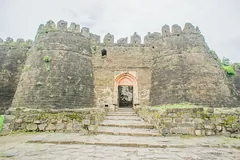 1187 CE
Devagiri Fortress, Yadava Capital Later Renamed Daulatabad
A fortress at Devagiri in Maharashtra, begun around 1187 under the Yadava ruler Bhillama V, grew into a capital of the Y…
- 1187 CE
Seuṇa Yadavas Rule from Devagiri
The Seuṇa or Yādava dynasty of Devagiri ruled the western Deccan from about 1187 to 1317. Beginning as Western Chalukya …
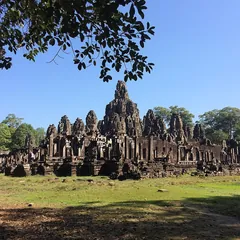 1190 CE
The Bayon, State Temple of Jayavarman VII at Angkor
The Bayon, built in the late twelfth or early thirteenth century, was the state temple of the Khmer king Jayavarman VII …
 1190 CE
Chand Bardai and the Pṛthvīrāj Rāso
Chand Bardai, said to have died around 1200, is credited with the Prithviraj Raso, a Braj epic celebrating the Chahamana…
- 1190 CE
Mukundarāja, Early Voice of Marathi Verse
Mukundarāja was a Nāth-sect poet-philosopher regarded as one of the earliest Marathi writers. Works such as Vivekasindhu…
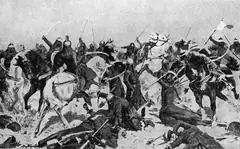 1192 CE
Second Battle of Tarain
In 1192 the Ghurid army of Muḥammad of Ghor defeated a Rajput coalition led by Pṛthvīrāja Cauhāna near Tarain, modern Ta…
- 1199 CE
Gaṇapati-deva Consolidates the Kākatīya Kingdom
Gaṇapati-deva reigned from about 1199 to 1262, longer than any other Kākatīya monarch. Freed from Yādava captivity in 11…
- 1200 CE
Bhimashankar Temple in the Sahyadri Hills
Perched in the Western Ghats about 110 km from Pune, Bhimashankar is a Śiva temple counted among the twelve Jyotirliṅgas…
- 1200 CE
Nannūl, Pavaṇanti's Tamil Grammar
The Naṉṉūl is a Tamil grammar composed by the Jain monk Pavaṇanti Muṉivar between 1178 and 1216 under a Western Gaṅga ch…
- 1200 CE
Pillalamarri, the Banyan of Mahbubnagar
Pillalamarri is a very large banyan tree near Mahbubnagar in Telangana, said to be around eight hundred years old and sp…
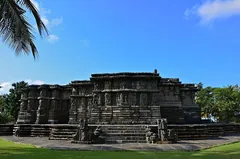 1219 CE
Kedareshwara Temple, a Hoysala Shrine at Halebidu
Hoysala king Vīra Ballāla II and his queen Ketaladevi are credited with building the Kedareshwara temple in Halebidu, Ka…
- 1238 CE
Madhvācārya and Dvaita Vedānta
Madhvācārya, also called Pūrṇaprajña and Ānanda Tīrtha, was a thirteenth-century philosopher from near Udupi who founded…
- 1238 CE
Narasiṃhadeva I and the Eastern Gangas
Narasiṃhadeva I ruled the Eastern Gaṅga kingdom of Kalinga from 1238 to 1264. He is remembered for pressing back the Mus…
- 1240 CE
Vastupāla, Minister and Patron of Vāghelā Gujarat
Vastupāla, who died in 1240, served the Vāghelā kings Vīradhavala and Vīsaladeva as minister in Gujarat. He led administ…
- 1244 CE
Vaghelas Rule Gujarat from Dholka
The Vaghela dynasty governed Gujarat in the thirteenth century from Dholka. Starting as ministers of the Chaulukyas, the…
- 1246 CE
Rajendra Chola III, Last Emperor of the Cholas
Rajendra Chola III ruled from 1246 to 1279 and was the last Chola emperor. He gradually took effective control of admini…
- 1250 CE
Hemādpanthī Temples Rise in the Deccan
Hemādpanthī architecture took shape in the thirteenth-century Deccan under the Seuṇa (Yādava) dynasty and is named for t…
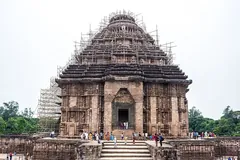 1250 CE
Konark Sun Temple
The Sun Temple at Konark on the Odisha coast is attributed to King Narasiṃhadeva I of the Eastern Gaṅga dynasty around 1…
- 1250 CE
Pālkuriki Somanātha, Vīraśaiva Poet
Pālkuriki Somanātha composed in Telugu, Kannada and Sanskrit and was a follower of the twelfth-century reformer Basavaṇṇ…
- 1250 CE
Tikkana, Telugu Poet of the Mahābhārata
Tikkana Somayāji, who lived from about 1205 to 1288, was a thirteenth-century Telugu poet and the second of the three po…
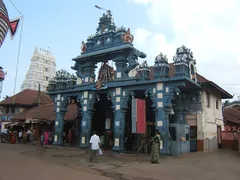 1250 CE
Madhva Establishes the Udupi Kṛṣṇa Matha
Udupi in coastal Karnataka is home to a Kṛṣṇa temple and monastic centre linked to Madhvācārya, founder of the Dvaita sc…
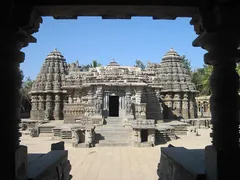 1258 CE
Chennakesava Temple Consecrated at Somanathapura
In 1258 the general Somanātha Daṇḍanāyaka consecrated the Chennakeśava Temple beside the Kāveri, in the reign of the Hoy…
- 1259 CE
Hemadri Pandit Serves the Yadava Court
Hemadri, also called Hemadpant, was a scholar and prime minister of the Seuna (Yadava) kings Mahadeva and Ramachandra fr…
- 1267 CE
Chakradhara and the Mahanubhava Sect
Chakradhara, also called Sarvajna Chakradhar Swami, founded the Mahanubhava devotional movement in thirteenth-century Ma…
- 1271 CE
Rāmacandra of Devagiri Becomes a Vassal of Delhi
Rāmacandra, also called Rāmadeva, ruled the Seuna Yādava kingdom of the Deccan from about 1271 until 1311. After a first…
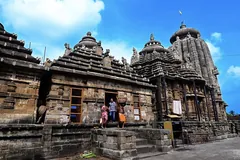 1278 CE
Ananta Vāsudeva Temple Built at Bhubaneswar
The Ananta Vāsudeva Temple in Bhubaneswar, a rare Kṛṣṇa shrine in a city famed for Śaiva monuments, dates to the thirtee…
- 1289 CE
Prataparudra II and the End of the Kākatīya Kingdom
Pratāparudra II ruled the Kākatīya kingdom from Warangal from about 1289 to 1323, succeeding his grandmother Rudramā. Af…
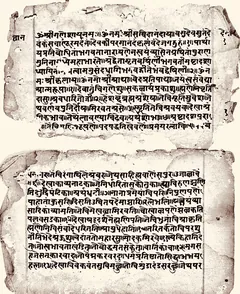 1290 CE
Dnyaneshwar Composes the Jnaneshwari in Marathi
In 1290 CE the young saint-poet Dnyaneshwar completed his Marathi commentary on the Bhagavad Gita, known as the Jnaneshw…
- 1293 CE
Majapahit, the Hindu-Buddhist Empire of Java
Majapahit, also called Wilwatikta, was a Javanese Hindu-Buddhist maritime empire founded in 1293 whose power and tributa…
- 1300 CE
Vedānta Deśika, Polymath of Śrī Vaiṣṇavism
Vedānta Deśika, who lived from about 1269 to 1370, was a philosopher, poet, logician and mathematician. He wrote in Sans…
- 1300 CE
Prithviraj Raso Epic Takes Shape
Composed in Brajbhasha, the Prithviraj Raso is an epic on the Chauhan king Prithviraj, attributed to his court poet Chan…